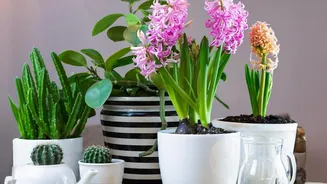






The Promise of a Green Solution
The notion that houseplants are nature's air purifiers is rooted in a landmark 1989 NASA study. Researchers, seeking ways to clean the air in sealed space stations, placed common houseplants in small, sealed chambers and injected volatile organic compounds
(VOCs) like benzene and formaldehyde. These chemicals are common in indoor environments, emitted by things like paint, furniture, and cleaning products. The results were striking: after 24 hours, some plants had removed up to 90% of the pollutants from the chamber. Plants like the Peace Lily, Spider Plant, and Snake Plant were lauded for their ability to absorb these toxins. The process, known as phytoremediation, involves the plant absorbing pollutants and breaking them down. This single study became the foundation for a global wellness trend.
From Lab to Living Room
The problem is that your living room is not a sealed NASA chamber. Subsequent research has highlighted the significant limitations of applying these lab findings to a typical home or office. The original studies were conducted in small, airtight containers, often less than a cubic meter in size, where the conditions could be carefully controlled. Real-world spaces are much larger and are not airtight. They have constant air exchange from windows, doors, and ventilation systems. One critical review from Drexel University concluded that the natural ventilation in a building does far more to remove VOCs than a few potted plants ever could. The rate at which plants slowly absorb toxins simply can't keep up with the volume of air and the constant introduction of new pollutants in a normal, lived-in space.
The Numbers Don't Lie
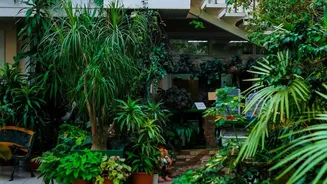
To replicate the air-cleaning effects seen in the lab, the number of plants required is staggering. A 2019 review of decades of research calculated that you would need anywhere from 10 to 1,000 plants per square meter of floor space to significantly impact indoor air quality. For an average 1,500-square-foot home, that could mean owning around 680 plants to achieve the same effect as simply opening a couple of windows. While some studies suggest a more modest number—like two large plants per 100 square feet—even this can be a challenge for many homeowners. The consensus among many environmental scientists today is that relying on houseplants for air purification is impractical. If clean air is your primary goal, investing in a good air purifier and ensuring proper ventilation are far more effective strategies.
Beyond Air Quality
This doesn't mean you should give up on your green friends. While their air-purifying abilities may be overstated, the psychological and well-being benefits of indoor plants are well-documented. Studies have consistently shown that interacting with plants can reduce stress, lower blood pressure, and improve your mood. Having greenery in your home or office can enhance concentration, boost productivity, and foster a sense of calm and connection to nature. Caring for a living thing provides a sense of purpose and routine. The aesthetic value alone can make a space feel more vibrant and welcoming. So, even if they aren't working hard as air filters, plants are certainly working to make us feel better.