







A Price Tag Built for a Niche
One of the most significant barriers to the Cybertruck's mainstream success is its price. When first announced in 2019, a starting price of around $40,000 was teased, creating immense buzz. However, the production models that eventually rolled out were
substantially more expensive. As of 2026, the lineup can range from over $60,000 for a rear-wheel-drive model to nearly $100,000 for the top-tier 'Cyberbeast' performance version. This positions the Cybertruck well above many popular internal combustion engine trucks and even premium electric competitors. For the average truck buyer, who prioritises practicality and value, this sticker shock makes it a non-starter. The initial promise of an affordable electric workhorse has been replaced by the reality of a luxury gadget, accessible only to affluent early adopters and dedicated Tesla enthusiasts.
A Design That Continues to Divide
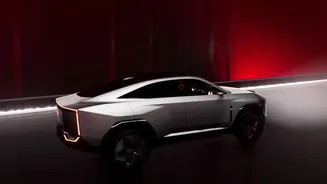
The Cybertruck's design is its most defining and divisive feature. Its body, made of flat panels of stainless steel, creates an angular, brutalist aesthetic unlike anything else on the road. While proponents see it as bold and futuristic, many potential buyers and critics find it impractical and unappealing. The stainless steel, while durable, is reportedly difficult and expensive to repair and prone to showing fingerprints and other marks. The sharp, geometric lines have also raised questions about pedestrian safety and driver visibility. This radical departure from the familiar, trusted form of a pickup truck alienates a large portion of the market that relies on these vehicles for daily work and family life, not just for making a statement. Its unconventional look may have won it a 'Concept Car of the Year' award early on, but it struggles to win over traditional truck owners.
Falling Short of Mainstream Sales Goals
The numbers paint a clear picture of a product struggling to find a mass audience. Elon Musk once projected that Tesla could produce 250,000 Cybertrucks annually. However, sales figures have fallen dramatically short of that ambition. After selling just under 40,000 units in its first full year, sales have continued to decline. Through May 2026, only about 7,100 Cybertrucks were registered in the U.S. This sales trajectory has led to comparisons with historic automotive flops like the Ford Edsel, which also failed to meet hyped expectations due to its unusual styling and high price. While the electric truck market itself is growing, the Cybertruck's market share is being challenged by more conventional offerings from Ford, Rivian, and others who offer a more familiar package.
Production Headaches and Market Realities
Beyond price and design, the Cybertruck has been plagued by production challenges. The unique stainless-steel body required new manufacturing processes that have been difficult to scale, leading to quality control issues like misaligned panels and other defects in early models. These manufacturing hurdles have contributed to the slow production ramp-up and high costs. Recently, in July 2026, a dispute with a key tooling supplier threatened to halt production altogether, highlighting the fragility of its specialized supply chain. While Tesla managed to generate massive interest and countless pre-orders, converting that initial hype into sustained sales has proven difficult. The market has shown that for a utility vehicle, radical design and brand cachet are less important than reliability, serviceability, and a price that makes sense for the job.