




A New Era of Accessibility
In a significant move to strengthen ties, Uzbekistan announced a 30-day visa-free entry policy for Indian citizens in late August 2026. The development, revealed during Prime Minister Narendra Modi's state visit to Tashkent, removes a key barrier for tourism,
family visits, and short business trips. While an official start date is pending, this policy builds on an already simplified e-visa system and an existing rule allowing visa-free entry for Indians holding valid multiple-entry visas from countries like the US, UK, or Schengen states. This open-door policy is amplified by rapidly growing air connectivity. Airlines like Uzbekistan Airways and Centrum Air now operate numerous direct flights from Delhi, Mumbai, and Hyderabad to Tashkent and even Namangan, a city in the Fergana Valley. A flight from Delhi to Tashkent now takes just over three hours, making Uzbekistan as accessible as many domestic destinations.
Journey to a Shared Past
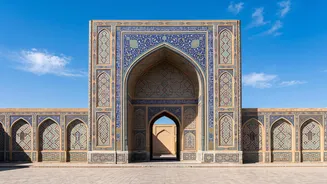
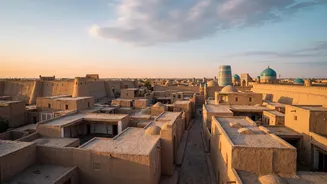
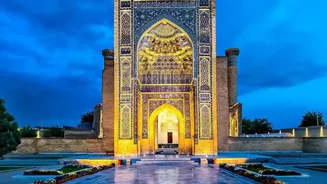
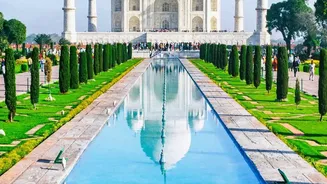
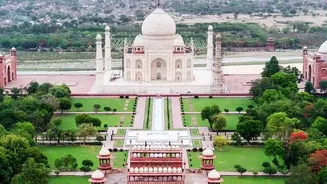
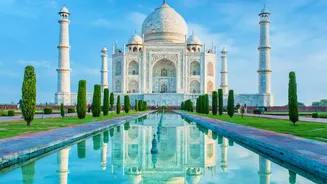
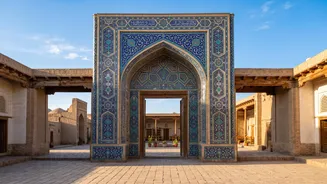
For Indians, travelling to Uzbekistan is like a journey to the source of a significant part of their own history. The Mughal dynasty, which shaped much of India's art, architecture, and cuisine, was founded by Babur, who hailed from the Fergana Valley in modern-day Uzbekistan. The Timurid architecture of Samarkand and Bukhara serves as a direct ancestor to the grandeur of Humayun's Tomb and the Taj Mahal. This deep-rooted connection creates an intuitive cultural familiarity for Indian visitors. The cuisine, rich with spices like cumin and coriander, offers familiar flavours in dishes like plov (pilaf) and samsa. This shared heritage is a powerful draw, transforming a simple vacation into a meaningful exploration of a connected past. Even Bollywood has a strong foothold, with many Uzbeks fondly recalling Indian cinema classics and stars.
More Than Just Tourism
The easing of travel restrictions is the public face of a much deeper strategic alignment. For India, a stable and friendly Uzbekistan is a key partner in Central Asia, a region vital for connectivity, trade, and security. The visa-free announcement was part of a broader tourism cooperation program signed between the two nations, aiming to bolster people-to-people and business exchanges. India is already one of Uzbekistan's top ten trade partners, with bilateral trade valued at over USD 1.3 billion, and there's a shared goal to increase this significantly. By fostering tourism, both countries are laying the groundwork for stronger economic integration, from an increase in Indian exports of pharmaceuticals and vehicle parts to new opportunities in Uzbekistan's growing MICE (Meetings, Incentives, Conferences, and Exhibitions) sector.
What It Means for the Indian Traveller
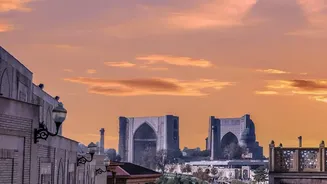
Beyond the grand strategic vision, the practical benefits for Indian tourists are immense. Uzbekistan offers a unique blend of rich history, stunning architecture, and affordability. The currency exchange rate is highly favourable for the Indian rupee, making it a budget-friendly destination where five-star luxury is far more accessible than in Europe. Cities like Tashkent, Samarkand, and Bukhara form a 'golden quadrangle' of tourism, each offering distinct experiences, from Tashkent's modern metro and bustling Chorsu Bazaar to Samarkand's awe-inspiring Registan Square. The country has also been ranked as one of the world's safest, making it an attractive option for families and solo travellers. From exploring UNESCO World Heritage sites to experiencing the legendary warmth of Uzbek hospitality, the country presents a compelling alternative to more conventional destinations.