

Bhoger Khichuri & Labra: The Soul of the Bhog
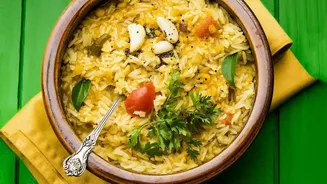
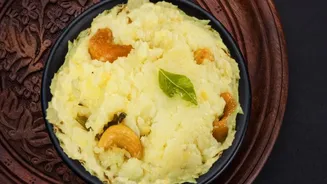
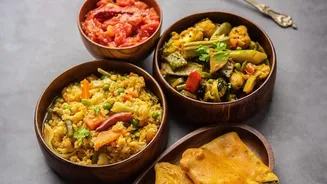
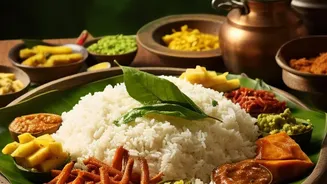
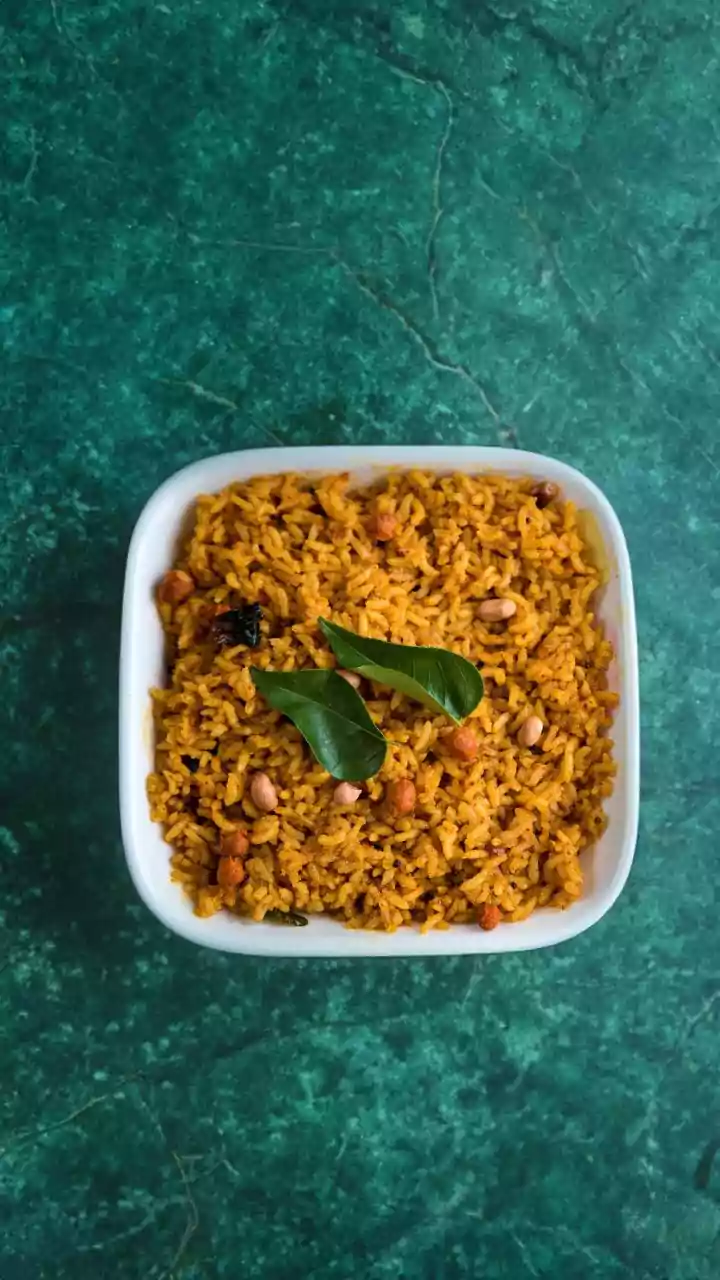
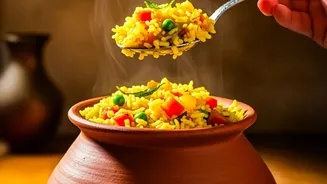
At the heart of any Durga Puja celebration is the bhog, the food offered to the goddess before being distributed to devotees. The star of this offering is Bhoger Khichuri, a fragrant, no-onion, no-garlic rice and lentil dish cooked with gobindobhog rice,
roasted moong dal, and mild spices. It’s a complete meal in itself — wholesome, comforting, and deeply satisfying. It is almost always served with Labra, a medley of seasonal vegetables like pumpkin, potatoes, and eggplant cooked together into a gently spiced, semi-dry curry that perfectly complements the khichuri. For many, the taste of this combination is the very essence of the festival.
Luchi & Alur Dom: The Quintessential Breakfast
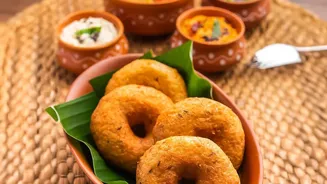
No Bengali festival is complete without Luchi, the soft, fluffy, deep-fried bread made from refined flour. These golden pillows of dough are the perfect vehicle for Alur Dom, a slow-cooked potato curry. The potatoes are simmered in a rich, spicy gravy, often with hints of ginger and cumin, until tender. While a popular breakfast item year-round, the combination of hot, puffy luchis and flavourful Alur Dom takes on a special significance during the Pujo mornings, often serving as the perfect start to a day of pandal hopping.
Kosha Mangsho: The Celebratory Feast
While Ashtami bhog is traditionally vegetarian, the days of Nabami and Dashami are often marked by grand, non-vegetarian feasts. The undisputed king of this celebration is Kosha Mangsho, a slow-cooked mutton curry. The meat is cooked for hours in a blend of spices, onions, and mustard oil until it becomes incredibly tender and the gravy thickens into a rich, dark, and intensely flavourful coating. Best enjoyed with luchi, paratha, or steamed rice, this iconic dish is a true labour of love and the highlight of many festive family meals.
Chingri Malai Curry: A Creamy Prawn Delight
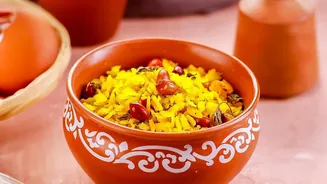
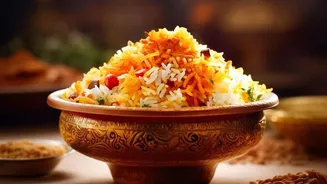
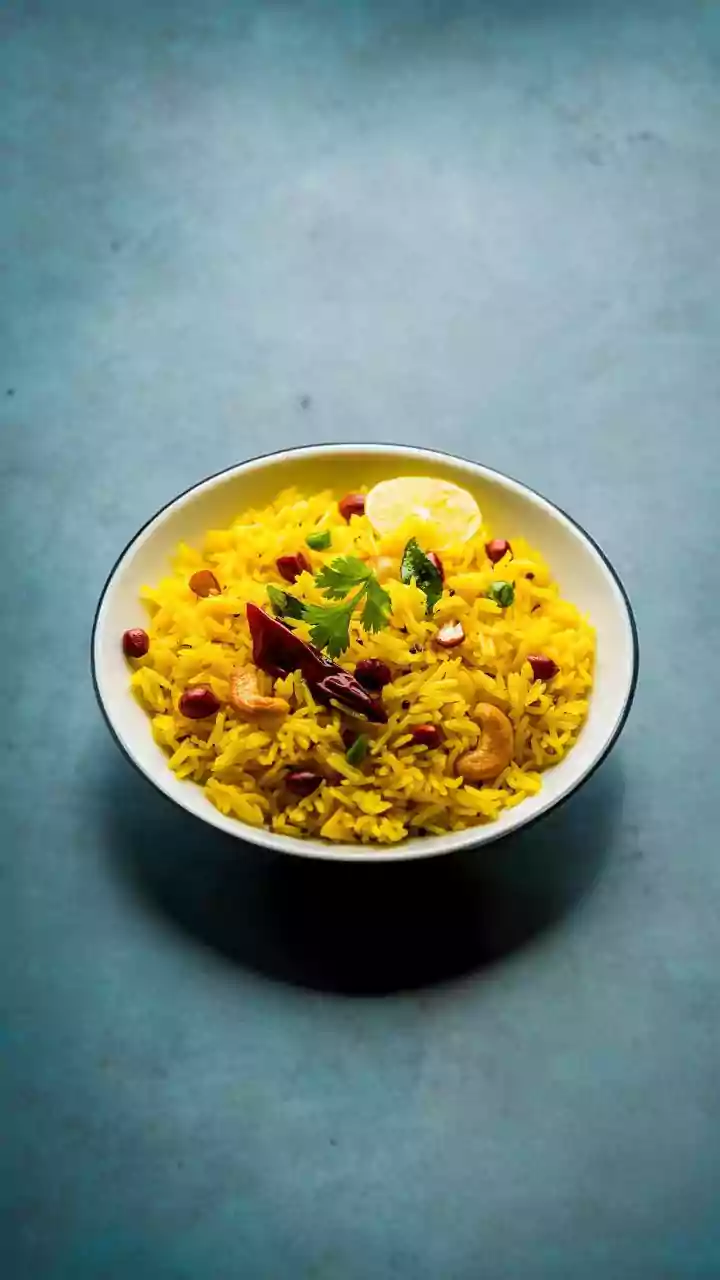
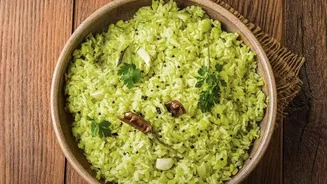
For seafood lovers, Chingri Malai Curry is an essential part of the Durga Puja experience. This classic dish features succulent prawns cooked in a luscious, creamy gravy made from coconut milk. The sweetness of the coconut milk is balanced with gentle spices like cardamom and cinnamon, creating a subtle yet aromatic curry. Its luxurious texture and delicate flavours make it a festive favourite, often served with fragrant Basanti Pulao (sweet yellow rice) for a truly royal meal.
Ilish Bhapa: The Revered Hilsa
The hilsa, or Ilish, holds a special place in the heart of every Bengali, and its appearance on a festive menu is always a momentous occasion. One of the most cherished preparations is Ilish Bhapa, which translates to steamed hilsa. The fish is marinated in a pungent paste of ground mustard seeds, green chillies, and mustard oil, then wrapped in a banana leaf or placed in a steel container and steamed. This cooking method ensures the fish remains incredibly tender and retains its unique flavour, which is beautifully enhanced by the sharp mustard. It’s a dish that commands respect and is savoured with plain rice.
Telebhaja & Kathi Rolls: The Pandal-Hopping Snacks
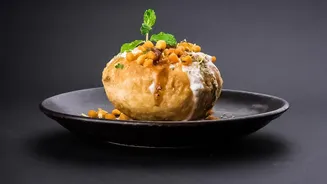
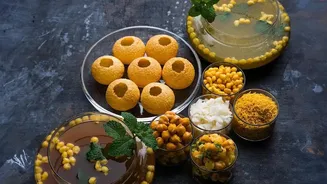
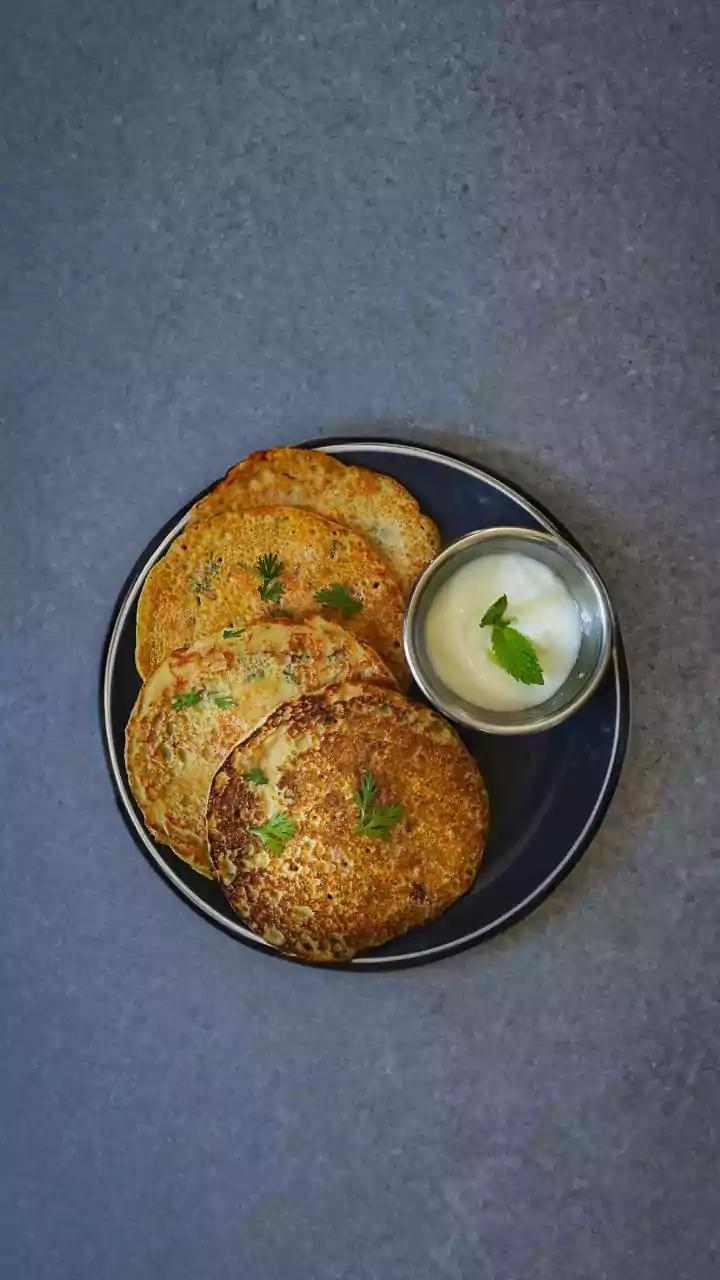
Durga Puja is as much about street food as it is about elaborate meals at home. While hopping from one magnificently decorated pandal to another, you are bound to encounter stalls selling an array of fried snacks known as 'telebhaja'. These include Beguni (eggplant fritters), Phuluri (lentil fritters), and Vegetable Chops. Another popular and more filling option is the iconic Kathi Roll, a flaky paratha wrapped around a delicious filling of spiced chicken, mutton, or paneer, making it the perfect portable meal for a festive night out.
Mishti & Payesh: The Sweet Endings
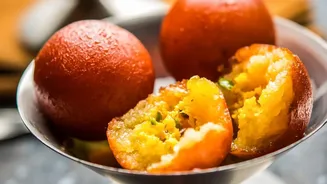
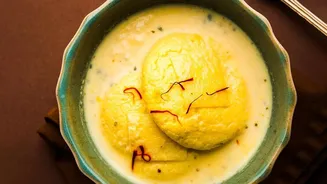
A Bengali feast is incomplete without a selection of sweets, or 'mishti'. Durga Puja is the perfect excuse to indulge. Look out for classics like Sandesh, a delicate sweet made from fresh cottage cheese (chhena). Another must-have is Mishti Doi, a sweetened, fermented yoghurt with a distinct caramel flavour, traditionally served in earthen pots. And finally, there is Payesh, a slow-cooked rice pudding made with milk, fragrant gobindobhog rice, and often sweetened with jaggery. These sweets are not just desserts; they are an integral part of the festive tradition.