







Know Your Unwanted Guests
In Indian kitchens, the most common pantry pests include Indian meal moths, flour beetles, and rice weevils. The adult moths or beetles are often the first sign, but the real damage is done by their larvae, which contaminate food. These pests typically
enter homes through packaged goods that already contain eggs or larvae. Once inside, they can multiply quickly, especially in warm, humid conditions which are common during the monsoon season. Finding webbing in containers, seeing small caterpillars, or noticing a fine, gritty material which is insect waste, are all signs of an infestation.
The Power of Airtight Storage
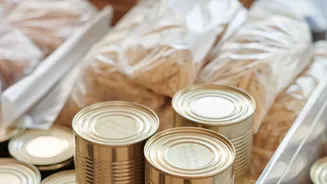
The single most effective step in preventing pantry pests is to decant dry goods from their original packaging into airtight containers. Cardboard boxes and thin plastic bags are easily penetrable by pests, who can chew through them to access food. By moving items like flour, dal, rice, spices, and cereals into containers made of glass, metal, or high-quality hard plastic, you create an impenetrable barrier. This not only blocks physical entry but also seals in the food odours that act like a beacon, attracting pests in the first place. When pests can't smell a potential meal, they are much less likely to investigate your pantry.
Why a Dry Pantry Is a Pest-Free Pantry
Moisture is a primary attractant for nearly all household pests, including those found in the pantry. Pests need water to survive, and a humid environment creates ideal breeding conditions. Leaky pipes under the sink, damp cloths, or even condensation can make your kitchen a haven for insects like cockroaches and ants. High humidity, especially during the monsoon, can also cause foods like flour to become clumpy and promote mould growth, which provides another food source for pests. Ensure your pantry shelves are always completely dry. Promptly wipe up any spills and check for hidden leaks or dampness, as these are open invitations for an infestation.
The Constant Battle Against Crumbs
A kitchen that appears clean on the surface can still harbor enough food for pests to thrive. Tiny crumbs and food particles that collect in the corners of shelves, in cracks, or under appliances are a feast for insects. Regular and thorough cleaning is crucial. At least once a month, empty your pantry shelves completely. Vacuum up any debris, paying close attention to corners and crevices where food can get trapped. Wipe the shelves down with a simple solution of white vinegar and water, which helps clean the surface and remove scent trails that pests like ants follow.
Smart Prevention and Natural Deterrents
Prevention starts at the grocery store. Inspect packaging for any signs of damage, like tiny holes or tears, before you buy. As a precaution, you can freeze new bags of flour or grains for at least a week to kill any potential eggs before transferring them to their airtight containers. For ongoing protection, several natural ingredients found in most Indian kitchens can act as repellents. Placing a few dried bay leaves inside your containers of flour and grains is a classic deterrent. Spreading cloves, cinnamon sticks, or dried neem leaves on your pantry shelves can also help discourage pests with their strong aromas.
Responding to an Infestation
If you do find pests, act quickly to prevent them from spreading. First, identify and discard any and all infested food items in a sealed bag outside your home. If you're unsure about an item, it's safest to throw it out. Remove everything from your pantry and thoroughly vacuum all surfaces, cracks, and corners. Then, wash the shelves and all non-infested containers with hot, soapy water to remove any lingering eggs or larvae. After cleaning, you can restock your pantry, ensuring everything is sealed in clean, airtight containers. This reset is essential to break the breeding cycle.