







What Exactly Is Breath Journaling?
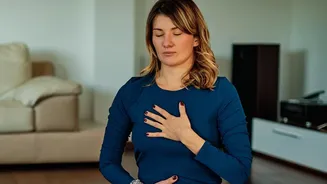
Breath journaling is a mindfulness practice that merges intentional breathing exercises with the reflective act of writing. At its core, it’s a dedicated time to focus on your breath, observe your physical and emotional state, and then capture those observations
and insights on paper. Instead of being separate activities, the breathwork prepares your mind and body for journaling, creating a state of calm that can lead to deeper self-awareness. The goal isn't to write a perfect essay, but to create a personal record of your inner experience, helping you identify patterns in your thoughts, feelings, and even stress triggers over time.
The Two Pillars: Breath and Words
The power of breath journaling comes from its two components. First, slow, controlled breathing activates the body's parasympathetic nervous system, often called the "rest and digest" system. This process helps lower your heart rate, reduce levels of the stress hormone cortisol, and create a physiological sense of calm. Scientific studies have shown that consistent breathwork can significantly lessen feelings of anxiety and improve your ability to handle stress. The second pillar, journaling, provides a container for your thoughts. Writing about your emotions and experiences helps you process them, giving your brain a way to stop looping on worries and gain clarity. Combining the two creates a feedback loop: the breath calms the body, allowing the mind to reflect more honestly, and the writing solidifies the insights gained from that calm state.
A Simple Guide to Your First Session
Getting started with breath journaling requires no fancy equipment—just a notebook and a few quiet minutes. 1. Find a Quiet Space: Choose a comfortable spot where you won't be distracted for 5 to 10 minutes. 2. Center Yourself with Breath: Begin by focusing on your breath. A simple technique is to inhale slowly for a count of four and exhale for a count of six. Repeat this for a few minutes, allowing your mind to settle and your body to relax. This initial phase prepares you for a more focused journaling session. 3. Start Writing: Once you feel centered, open your journal. Don't overthink it. Set a timer for just a few minutes and write without stopping or editing. Let your thoughts flow freely onto the page. 4. Observe and Reflect: Write about the sensations you notice in your body, the thoughts that are distracting you, or any feelings that surfaced during the breathing exercise. The goal is simply to observe without judgment.
Journaling Prompts for Beginners
If you feel stuck or unsure what to write, prompts can provide a gentle starting point. They are designed to guide your reflection and connect you more deeply with your inner state. Here are a few simple prompts to try: How does my body feel right now? Where am I holding tension? What thoughts are distracting me at this moment? What does my breath feel like? Is it shallow, deep, fast, or slow? What is one thing I need to release today? * If my anxiety could speak, what would it say? These questions are not a test. They are simply tools to encourage curiosity and help you tune into your body and mind. As you practice, you may find you no longer need prompts and can write more freely about your experience.
Making Breath Journaling a Habit
Like any wellness practice, the benefits of breath journaling grow with consistency. The key is to make it an easy and enjoyable part of your routine. Start small, committing to just five minutes a day. You might find it helpful to link the practice to an existing habit, such as doing it right after your morning coffee or just before you go to bed. Keeping your journal and pen in a visible and accessible place can also serve as a helpful reminder. Don't strive for perfection; some days your mind will be busy, and others it will be calm. The most important thing is simply showing up for yourself, taking a few intentional breaths, and writing down whatever comes to mind. Over time, this small ritual can become a powerful anchor for your well-being.