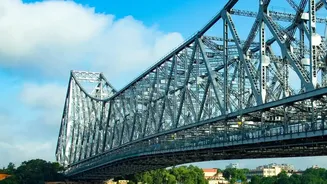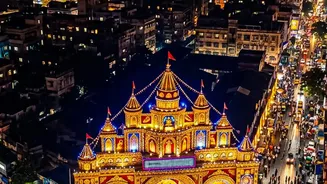



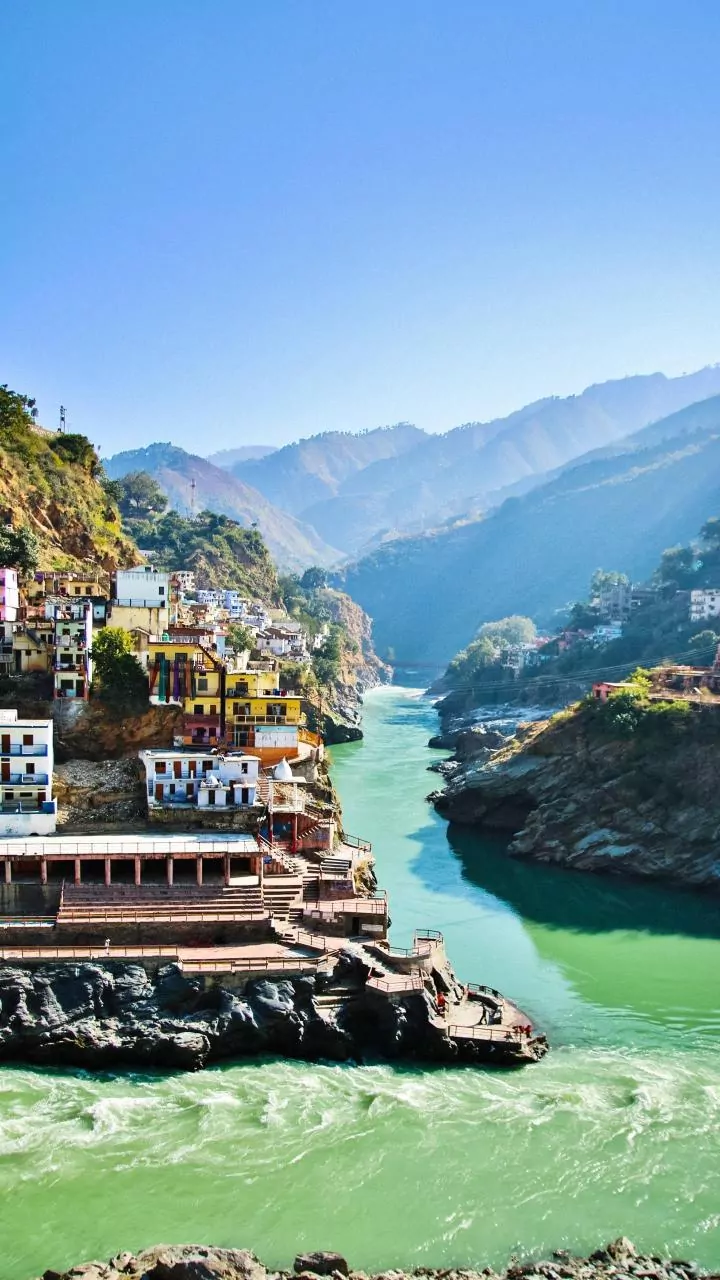
Why is Kolkata called the 'London of India'? This nickname points to a past when the city, then Calcutta, was the jewel of the British Empire. Let's explore the historical roots of this title and how you can still see its legacy today.
The Capital of British India
For nearly 140 years,
from 1772 to 1911, Kolkata served as the capital of British India. During this period, it grew into the second most important city in the British Empire, after London itself. The British developed the city as their administrative, commercial, and cultural hub, intentionally modelling its urban design on grand European capitals. This resulted in wide roads, magnificent public squares, and an imposing skyline that gave the city the look and feel of London, earning it the famous moniker. The city became a center for bureaucracy, law, education, and science, shaping not just Bengal but the entire subcontinent.
A Tour of Architectural Echoes
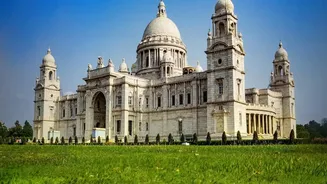
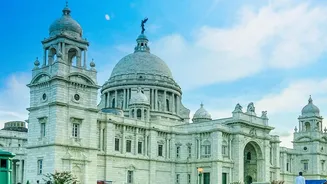
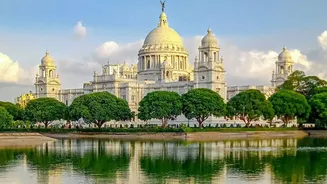
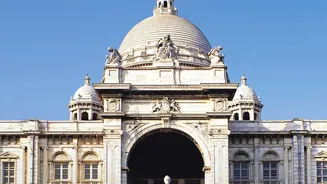
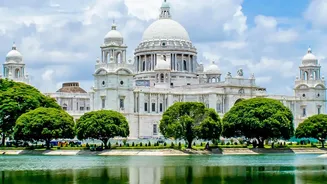
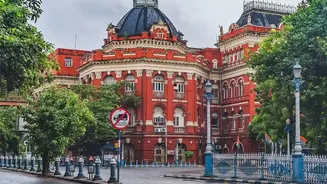
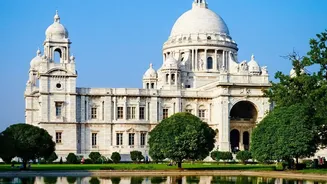
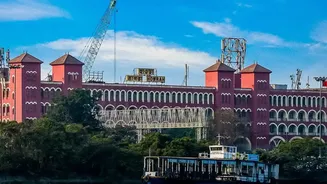
The most visible link to Kolkata's colonial past is its stunning architecture. A walk through the city feels like a journey through time, with many buildings blending European styles like Neoclassical, Gothic, and Victorian. The Victoria Memorial, a grand white marble monument built to honor Queen Victoria, is perhaps the most iconic example. Its design fuses British and Mughal elements, creating a unique Indo-Saracenic style. Other essential stops on a colonial architecture tour include the Writers' Building, the former administrative headquarters of the East India Company; the impressive Calcutta High Court in its Gothic Revival style; and the St. Paul's Cathedral, which was inspired by England's Norwich Cathedral.
Life Along the Hooghly
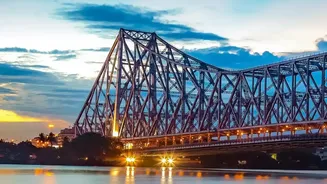
Another striking parallel between the two cities is their relationship with their rivers. Just as London developed along the River Thames, Kolkata's growth was intrinsically tied to the Hooghly River. The river was a vital artery for trade and communication during the colonial era, with its ports handling goods from across the globe. The riverbanks, known as ghats, are flanked by promenades and colonial-era structures that are reminiscent of London's riverside landscape. A walk along Prinsep Ghat, with its stately Palladian porch, offers picturesque views and a tangible connection to the city's maritime history.
Experiencing the Old-World Charm
The 'London of India' feel extends beyond buildings. Kolkata is the only city in India that still operates a tram network, a mode of transport that was once common across European cities like London. A ride on one of these historic trams, especially through the green expanse of the Maidan, is an essential Kolkata experience. The culture of gentleman's clubs, a passion for sports like football, and the legacy of English-style education are also remnants of the British influence. Even the city's famous yellow Ambassador taxis, though now dwindling, were long fashioned after the classic cabs of London and Mumbai, adding to the nostalgic atmosphere.
A Guide for the Modern Traveler
To best experience this heritage, start your exploration at B.B.D. Bagh (formerly Dalhousie Square), the heart of colonial Kolkata. Here you'll find the General Post Office, the Writers' Building, and other administrative structures. From there, a short taxi or metro ride can take you to the Victoria Memorial and St. Paul's Cathedral. Spend an afternoon wandering through the South Park Street Cemetery, established in 1767, to see its unique Gothic and Indo-Saracenic tombs. For a taste of the intellectual culture, visit College Street, the world's largest secondnd hand book market, and stop for a coffee at any legendary Indian Coffee House. While some buildings show signs of age with peeling paint and weathered facades, this only adds to the city's profound character.