






From Postcards to Participation
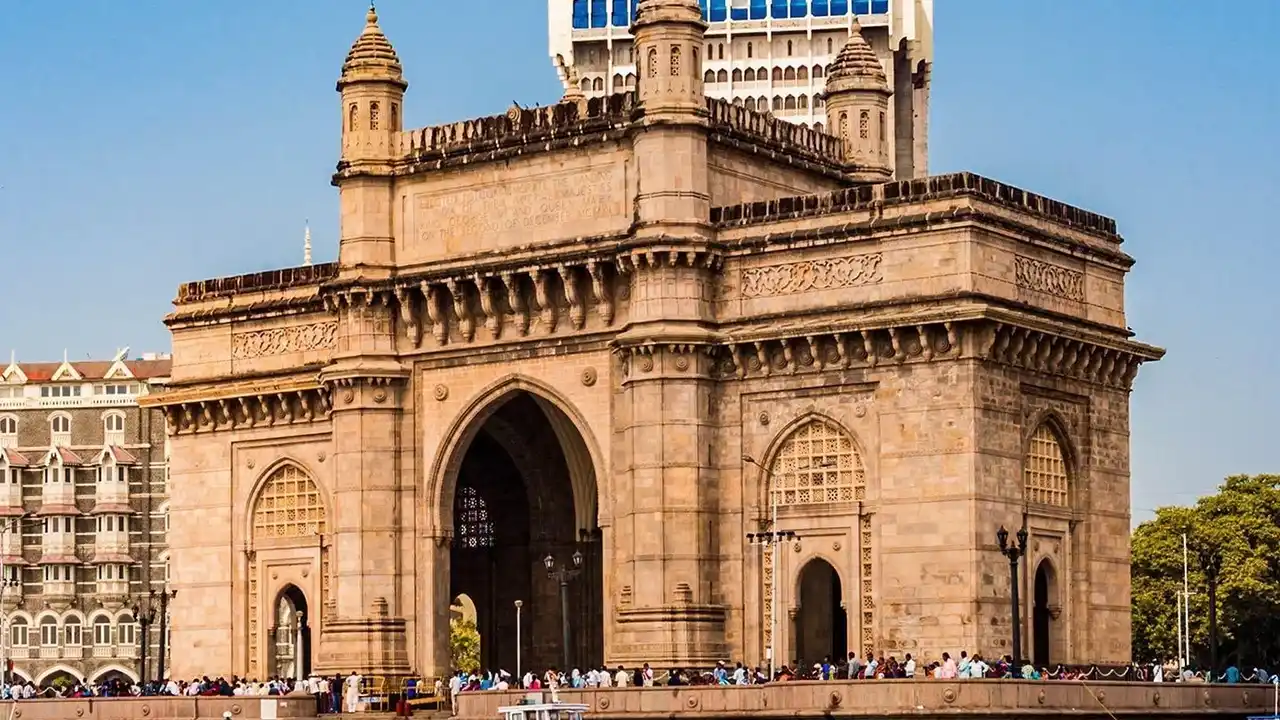
There’s a significant shift happening in how people travel through India. The era of passively collecting photos of landmarks is giving way to a desire for active, immersive experiences. Modern travellers, particularly younger generations like Millennials
and Gen Z, are driven by a quest for authenticity and personal growth. They want to understand the story behind a place, not just see its facade. This has fuelled the rise of 'experiential travel,' where the goal is to engage with the culture, traditions, and people of a destination. Instead of just observing India from a distance, travellers want to participate in its daily life, creating memories that are more meaningful and transformative than a simple sightseeing itinerary.
The Allure of the Bustling Bazaar
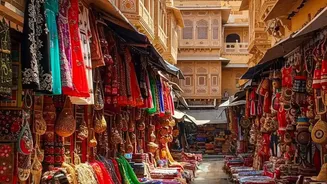
Indian markets are more than just places to shop; they are vibrant, chaotic, and deeply sensory experiences that offer a direct window into local life. Travellers are now flocking to these bustling bazaars not just for souvenirs, but for the experience itself. Guided tours through places like Chandni Chowk in Delhi or the spice markets of Khari Baoli offer a chance to navigate the lively lanes, interact with vendors, and learn about local products. In cities like Jaipur, market tours are often combined with cooking classes, allowing visitors to pick fresh ingredients before learning to prepare traditional Rajasthani dishes. This hands-on approach transforms a simple shopping trip into a memorable cultural lesson, connecting travellers to the flavours and rhythms of the city.
A Seat at the Local Table
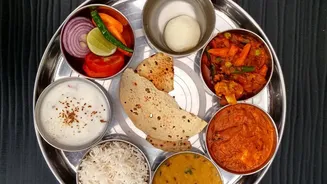
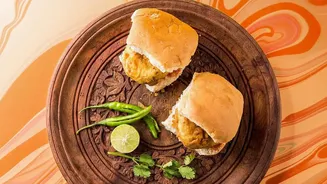
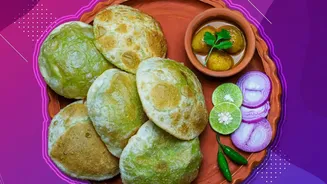
Food has become a central pillar of travel planning in India, with some reports suggesting up to 40% of travellers now choose holidays based on cuisine. Culinary tourism is booming, moving far beyond fine dining restaurants. The real prize is authenticity. Food-focused travellers are signing up for street food walks in Mumbai and Delhi to sample iconic snacks like pani puri and pav bhaji, guided by locals who know the best and safest spots. Others opt for even more personal experiences, such as home-based cooking classes where they learn to prepare regional specialities like Goan seafood curry or Hyderabadi biryani from family recipes. These meals offer more than just flavour; they are a way to taste a region's history, geography, and culture.
Finding India in its Stories
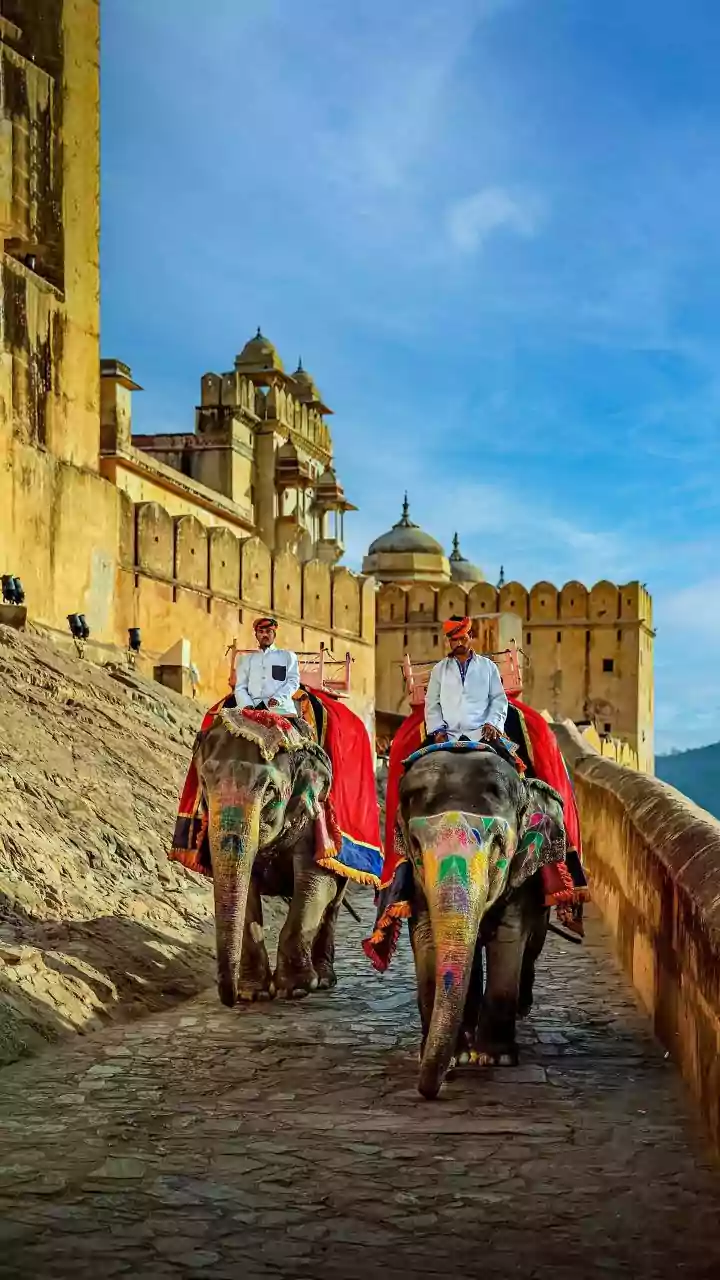
The search for connection is leading many travellers away from conventional hotels and towards experiences that foster genuine human interaction. Homestays are surging in popularity because they provide an unparalleled opportunity to engage with local hosts and their way of life. Staying in a family-run haveli in Rajasthan or a cottage in the hills of Himachal Pradesh offers insights that guidebooks can't provide. This trend extends to activities as well. Heritage walks led by local historians, interactions with artisan communities, and participation in village life allow travellers to hear the stories that animate a place. By choosing experiences that put them in direct contact with local communities, visitors are finding a more profound and lasting connection to India.