





Rethinking your morning meal? Moving beyond sweet options and embracing savoury grains can transform your breakfast into a powerhouse of sustained energy and nutrition. Here’s how to seamlessly fit them into your multigrain breakfast preparations.
The Case for a Savoury Start
For
many, breakfast often leans sweet. But a savoury morning meal, especially in the Indian context, offers a fantastic way to pack in more nutrients and ensure you stay full and focused until lunch. Savoury breakfasts built on complex carbohydrates, fibre, and protein prevent the sharp blood sugar spikes that can follow sugary meals, providing a steady release of energy. When you combine the wholesome goodness of multigrain flour with the unique benefits of savoury grains, you create a breakfast that is not just balanced but also deeply satisfying and flavourful.
The Foundational Power of Multigrain Flour
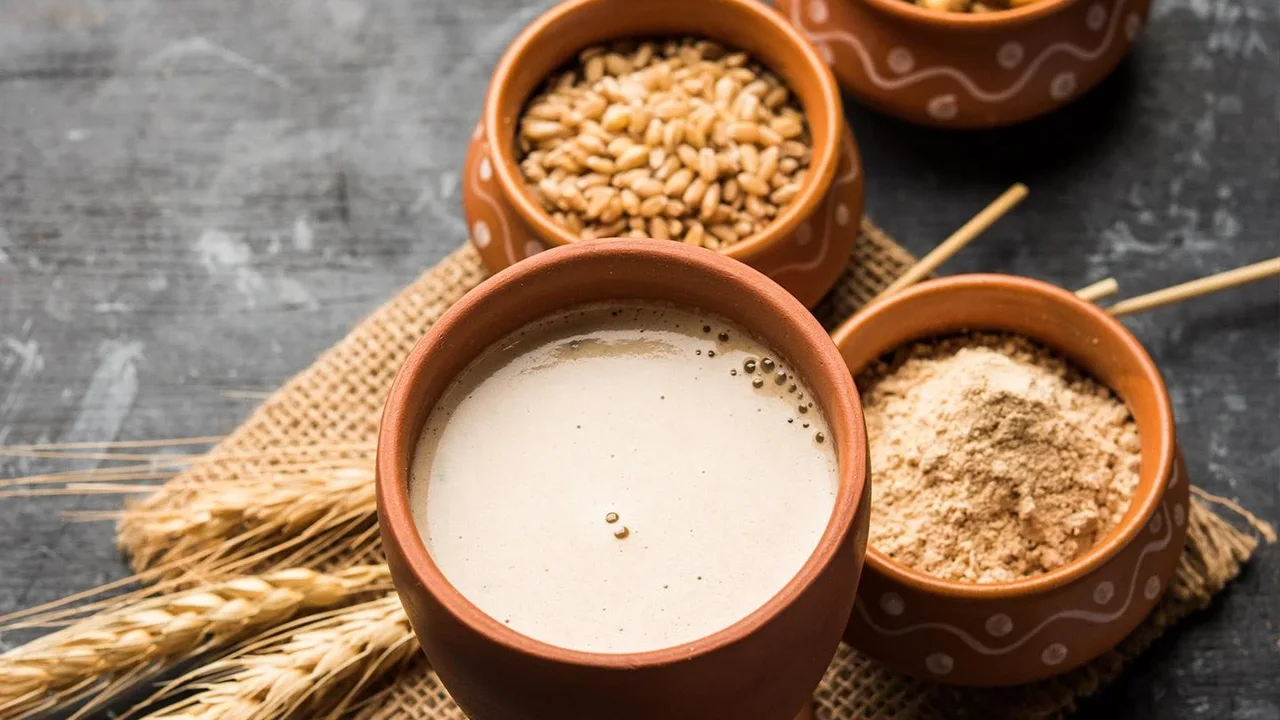
Multigrain atta, a blend of flours from various grains like wheat, jowar (sorghum), bajra (pearl millet), and ragi (finger millet), is the perfect base for a healthier breakfast. Compared to refined flour, it is significantly richer in dietary fibre, which aids digestion and promotes a feeling of fullness. This blend also provides a wider array of essential vitamins and minerals, including iron, magnesium, and B-vitamins. Using multigrain flour in traditional recipes is an easy switch that enhances the nutritional profile of your favourite dishes without sacrificing taste.
Meet Your Savoury Grain Companions
While multigrain flour provides a robust base, adding whole or floured savoury grains introduces new textures and powerful nutrients. Consider these excellent options:
Jowar (Sorghum): With a mild, nutty flavour, jowar is rich in dietary fibre and antioxidants. It's known for helping to regulate blood sugar levels due to its low glycemic index.
Bajra (Pearl Millet): This grain has an earthy flavour and is an nutritional powerhouse, exceptionally rich in iron and magnesium, which support energy levels and heart health.
Ragi (Finger Millet): Valued for its high calcium content, ragi is excellent for bone health. Its fibre content also helps in managing weight by keeping you fuller for longer.
Quinoa: This popular seed is a complete protein, containing all nine essential amino acids. It has a delicate, nutty taste and cooks up fluffy, making it a versatile addition to many dishes.
Amaranth (Rajgira): Another protein-rich seed, amaranth provides a good dose of calcium and iron. It has a slightly peppery flavour and can be cooked into a porridge or its flour used in batters.
How to Combine Grains and Flour
Integrating these grains into your multigrain atta preparations is simpler than it sounds. You can either use their flours or add the cooked grains directly to your batter.
For Flours: A good starting point is to substitute a portion of your regular multigrain atta with a savoury grain flour. For instance, a blend of 60% multigrain atta, 20% quinoa flour, and 20% amaranth flour works well for rotis or cheelas, boosting the protein content significantly.
For Whole Grains: To add texture, fold cooked grains into your batters. Cook quinoa, millets, or amaranth until tender, let them cool, and then mix them into your dosa, idli, or cheela batter. This method adds a pleasant bite and extra fibre.
Inspiring Savoury Breakfast Ideas
Put this knowledge into practice with these versatile Indian breakfast ideas:
Multigrain Millet Dosa: Prepare your dosa batter by soaking and grinding lentils along with a mix of millets like ragi and bajra instead of just rice. The result is a crisp, nutritious dosa that pairs perfectly with sambar and chutney.
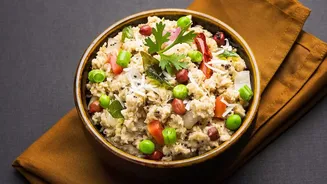
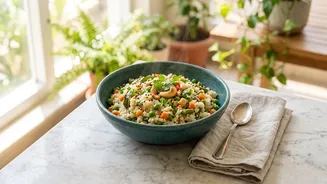
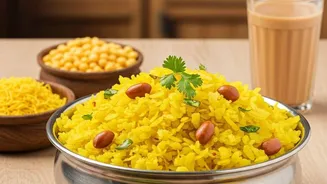
Quinoa Upma: Give the classic sooji upma a modern twist by using quinoa. Sauté vegetables like carrots and peas with mustard seeds and curry leaves, then add cooked quinoa for a protein_packed, gluten_free breakfast.
Jowar and Bajra Cheela: Create a simple, instant batter using jowar, bajra, and gram flour (besan). Add finely chopped onions, tomatoes, and coriander, and season with spices. This makes for a quick, fibre_rich pancake that is both filling and delicious.
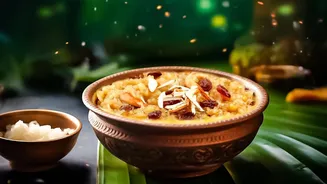
Savoury Amaranth Porridge: Cook amaranth with water or vegetable broth instead of milk. Temper it with mustard seeds, curry leaves, and green chillies, and add sautéed vegetables for a warm, comforting, and nutrient_dense porridge.