


The Grains We Forgot
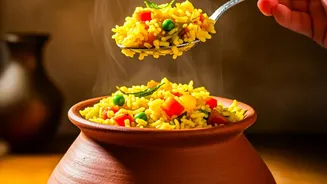
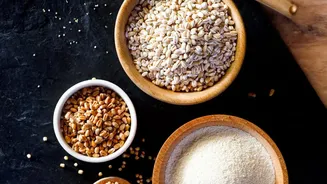
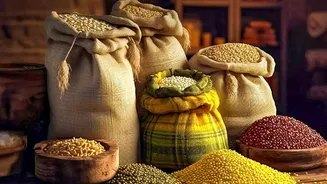
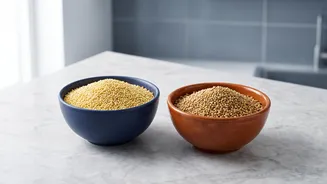
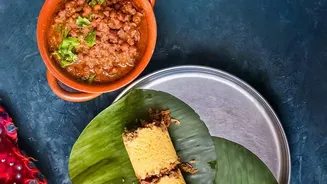
For generations, the Indian diet was rich with a variety of grains beyond just rice and wheat. Millets like jowar (sorghum), bajra (pearl millet), and ragi (finger millet) were staples in households across different regions, from ragi mudde in Karnataka
to bajra rotis in Rajasthan. These grains, cultivated on the subcontinent for thousands of years, were the original pillars of nourishment. However, with the Green Revolution in the 1960s, a focus on high-yield varieties of wheat and rice pushed these traditional grains to the margins, often branding them as 'poor man's food'. This shift dramatically narrowed India's dietary diversity, causing many to forget the flavours and benefits of our ancestral foods.
Farming in Harmony With Nature
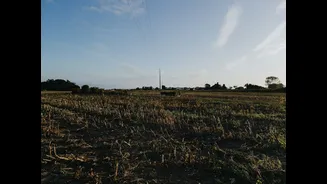
The cultivation of these traditional grains is deeply tied to sustainable farming practices evolved over centuries. Unlike modern monocultures that often rely on heavy irrigation and chemical inputs, millets are famously resilient. They are largely rain-fed, drought-resistant, and can thrive in poor soil conditions with minimal need for pesticides or fertilisers. This makes them not just better for the environment by conserving water and reducing chemical contamination, but also more economically viable for small farmers in India's arid and semi-arid regions. This system of agriculture naturally promotes biodiversity and maintains soil health, standing in stark contrast to intensive farming methods that can lead to soil degradation.
A Nutritional Renaissance
A key driver behind the comeback of these grains is a modern reawakening to their incredible health benefits. As conversations around wellness, chronic diseases, and nutrition grow louder, ancient grains offer compelling solutions. They are nutritional powerhouses, naturally gluten-free and packed with protein, fibre, and essential minerals. For instance, ragi is an excellent source of calcium, while bajra is rich in iron. Their high fibre content helps with digestion and provides a feeling of fullness, and many have a low glycemic index, which is beneficial for managing blood sugar levels. This profile makes them a superior choice compared to the refined flours that dominate many modern diets.
From Farm to the Modern Table
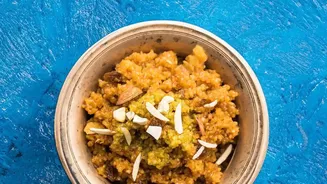
The revival is not just happening in rural kitchens; it's a full-fledged movement embraced by chefs, startups, and the government. Initiatives like the UN's International Year of Millets, championed by India, have put these 'nutri-cereals' on the global stage. Innovative chefs are moving beyond traditional porridges and flatbreads, incorporating millets into everything from risottos and salads to desserts and baked goods. Celebrity chefs like Ranveer Brar and Manu Chandra have been instrumental in showing how versatile these grains can be. This culinary creativity is making traditional grains exciting and accessible for a new generation of urban consumers, who can now find millet-based pasta, noodles, and breakfast cereals in stores.
A Choice That Matters
Choosing to include these heritage grains in our diet is more than a health trend; it’s a conscious decision with far-reaching impact. It supports the livelihoods of small-scale farmers who are custodians of agricultural biodiversity. It promotes a more sustainable food system that is resilient to climate change and less demanding on natural resources like water. And perhaps most importantly, it helps us reconnect with India's rich culinary and agricultural heritage, bringing back a diversity that was lost. By putting millets and other ancient grains back on our plates, we are not just eating food; we are consuming a story of resilience, culture, and a healthier future.