
The Hidden Nutritional Powerhouse
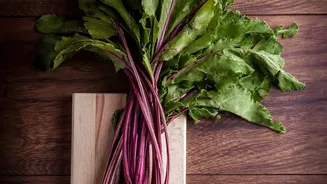
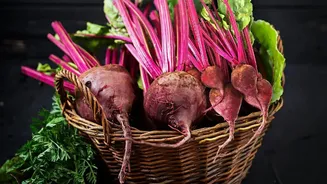
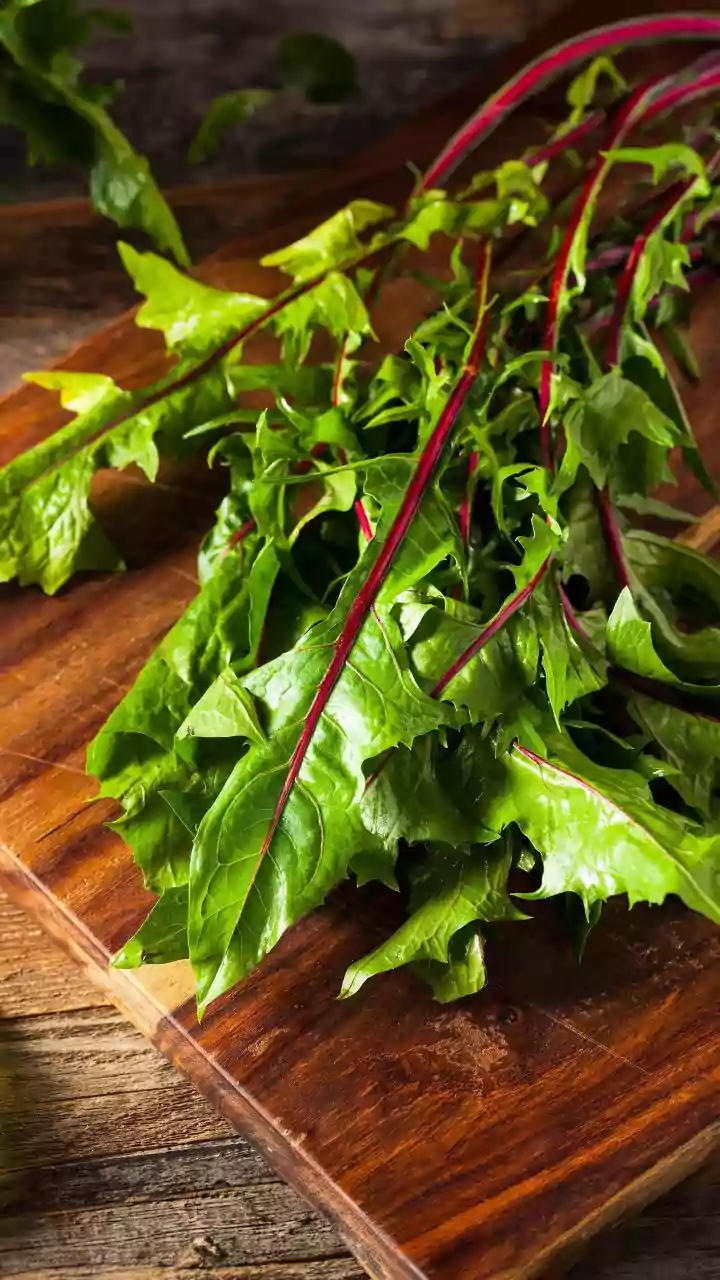
While the beetroot bulb gets all the attention, its leafy tops are a nutritional goldmine. In fact, beet greens often contain a higher concentration of certain vitamins and minerals than the root itself. They are exceptionally low in calories but packed
with essential nutrients. A single serving can deliver a significant amount of Vitamin K, which is vital for bone health and blood clotting. They are also an excellent source of Vitamin A, crucial for good vision and a robust immune system, and Vitamin C, a powerful antioxidant. Furthermore, these greens are rich in minerals like iron, calcium, magnesium, and potassium, which supports everything from nerve function to blood pressure regulation. Some studies even suggest they have a higher iron content than spinach. By throwing them away, we are discarding a potent superfood that costs nothing extra.
From Bin to Bhaji: The Indian Kitchen Approach
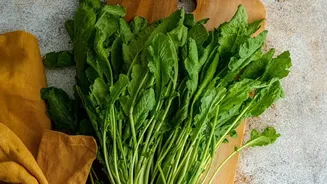
In India, where a zero-waste philosophy is deeply ingrained in traditional cooking, beet greens can be seamlessly integrated. Their flavour is similar to other hearty greens like spinach or chard, with a mild sweetness. The simplest way to prepare them is as a quick stir-fry or 'bhaji'. After thoroughly washing the leaves and stems to remove any grit, chop them up. Heat a little mustard oil or ghee in a pan, and temper with cumin and mustard seeds. You can add chopped garlic, ginger, and green chillies for a flavour base. Toss in the chopped greens and stems, add a pinch of turmeric and salt, and sauté until they wilt and become tender. This simple side dish is ready in minutes and pairs beautifully with roti or as part of a larger meal with dal and rice.
Beyond the Basic Stir-Fry
The versatility of beet greens extends far beyond a simple sauté. Their earthy flavour complements a wide range of ingredients and preparations. Finely chopped greens can be kneaded into the dough for parathas or theplas, adding a boost of nutrition and a subtle, interesting flavour. They can also be added to dals, much like you would add spinach ('palak'). Adding them to moong or toor dal during the last 10-15 minutes of cooking makes the dal richer and more nutritious. For a more contemporary twist, beet greens can be used to make a vibrant pesto, blended with walnuts, garlic, cheese, and olive oil. They can also be added to soups, stews, and even savoury pancakes, providing an easy way to pack more greens into your family's diet.
A Cook’s Guide to Beet Greens
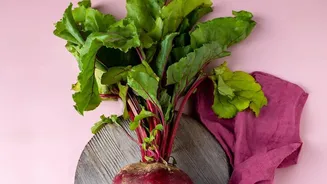
To make the most of beet greens, a little know-how goes a long way. When buying beetroot, look for bunches with fresh, vibrant, and unwilted leaves. Avoid any that are yellowed or slimy. The first step at home should be to separate the leaves from the roots, leaving about an inch of the stem on the bulb. This prevents the leaves from drawing moisture away from the beetroot. To store the greens, wash them thoroughly, then wrap them in a damp paper towel and place them in a plastic bag in the refrigerator’s crisper drawer. They should be used within a few days for maximum freshness. When preparing them, remember that the stems are edible too. They are tougher than the leaves, so it's best to chop them finely and add them to the pan a few minutes before adding the delicate leaves to ensure they cook through and become tender.