





The Coastal Journey: Dramatic Skies and Salty Air
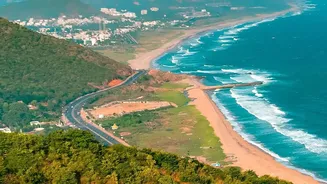
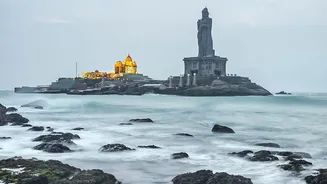
Driving along Tamil Nadu's coastline during the monsoon is a theatrical experience. The famed East Coast Road (ECR), stretching from Chennai towards Kanyakumari, transforms into a front-row seat for nature's drama. The Bay of Bengal, often placid, turns
turbulent, with grey waves crashing against the shore under an overcast sky. The mood is powerful and expansive. The journey is punctuated by the sight of rain-swept fishing hamlets, ancient temples like those at Mahabalipuram standing resolute against the elements, and the glistening salt pans that stretch towards the horizon. The air is thick with the smell of salt and wet earth. A drive to Kanyakumari, the subcontinent's southernmost tip, becomes even more spectacular during the monsoon. Watching the powerful confluence of the Arabian Sea, Bay of Bengal, and the Indian Ocean under a heavy sky is a humbling experience. This route is for those who find beauty in vastness and drama, who enjoy the feeling of the wind and the endless horizon of a churning sea.
The Hill Route: Mystical Mist and Lush Greenery
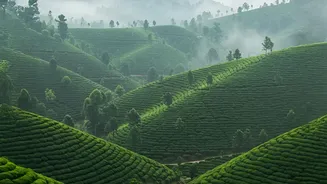
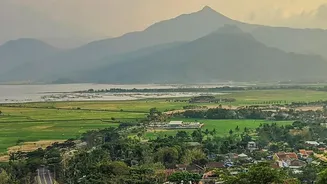
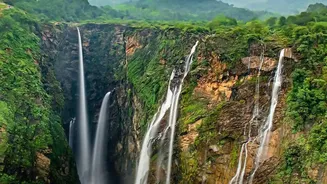
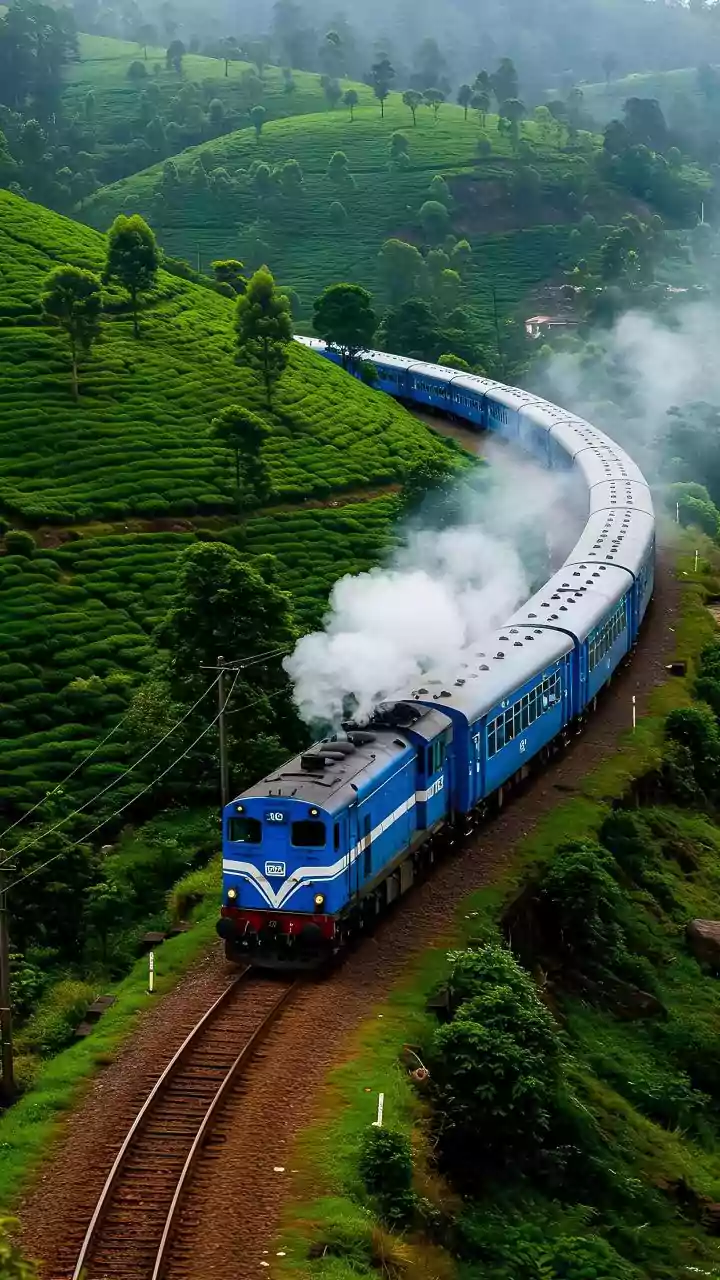
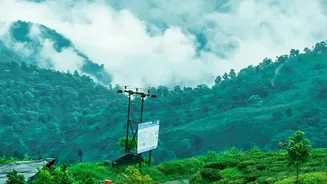
In contrast, a journey into the Western Ghats offers an entirely different kind of magic. Hill stations like Ooty, Kodaikanal, and the less-travelled Valparai become sanctuaries of green. The monsoon breathes new life into the hills; the forests turn a deep, emerald green, and waterfalls, once mere trickles, now cascade with force. The drive itself is a core part of the experience. The road to Valparai, with its 40 hairpin bends, winds through tea estates shrouded in thick mist, creating an ethereal, almost mystical atmosphere. Similarly, the Nilgiri Mountain Railway ride to Ooty becomes even more scenic, chugging through mist-covered hills and past rain-drenched plantations. The vibe here is intimate and cozy. Days are spent sipping hot Nilgiri tea while watching clouds roll through the valleys, taking quiet walks in botanical gardens glistening with raindrops, or simply enjoying the cool, crisp air. This route is for those seeking tranquility, romance, and a feeling of being enveloped by nature.
Choosing Your Monsoon Narrative
The choice between the coast and the hills depends entirely on the experience you crave. The coastal drive is energizing and outward-facing. It’s about witnessing the raw power of the monsoon over a vast canvas, with wide-open roads and panoramic sea views. The atmosphere is invigorating, perfect for travellers who feed off the energy of dramatic landscapes. The hill journey, however, is introspective and serene. It’s about being cocooned in mist and greenery, with winding roads that reveal new, breathtaking vignettes at every turn. The air is cooler, the sounds are softer—the constant drip of rain on leaves, the distant roar of a waterfall. This is a trip for slowing down, for quiet reflection, and for finding comfort in the lush embrace of the mountains. While the coast offers drama, the hills offer a dreamy, peaceful escape with fewer crowds than in peak season.
Practical Tips for Your Monsoon Drive
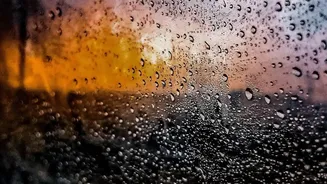
Regardless of which path you choose, monsoon travel requires some preparation. Roads in the hills can be susceptible to landslides, while coastal roads might face waterlogging, so always check the latest weather and road condition advisories before you start. For the hills, packing warm layers and waterproof jackets is essential, as temperatures can drop significantly. For either journey, waterproof footwear is a must. One of the great joys of a monsoon road trip is stopping at roadside stalls for hot bhajis and a steaming cup of tea, so embrace the detours. Driving slowly is key to safety, whether navigating a hairpin bend in the Ghats or avoiding a puddle on the ECR. Don’t use cruise control, as it can be dangerous if your car starts to hydroplane on wet surfaces. With the right preparation, the monsoon can be one of the most rewarding times to explore Tamil Nadu by road.