


The Core Benefit of a Stronger Core
When you think of core exercises, crunches and classic front planks often come to mind. While valuable, they primarily target the front of your abdomen. The side-plank is unique because it hones in on the obliques, the muscles running along the sides
of your torso. These muscles are crucial for rotational movements, bending to the side, and stabilizing your spine. A strong set of obliques, supported by the glutes and shoulder muscles that are also engaged during a side-plank, creates a muscular corset that protects your lower back from strain during everyday activities like carrying groceries or lifting a child. This exercise is a full-body stability challenge, improving your balance and your body's awareness of its position in space.
How to Perform the Perfect Side-Plank
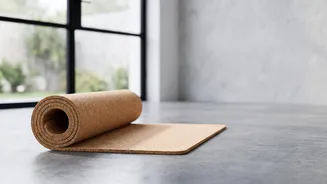
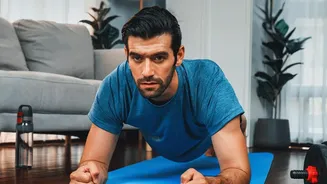
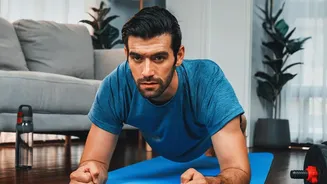
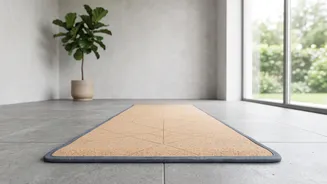
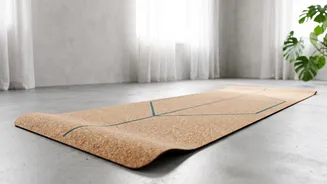
Achieving great form isn't complicated, but it does require focus. Start by lying on your side on an exercise mat. Position your forearm on the floor with your elbow stacked directly underneath your shoulder; this alignment is critical to avoid placing unnecessary stress on the shoulder joint. Extend your legs and stack your feet one on top of the other. Before lifting, engage your core by pulling your navel toward your spine and squeezing your glutes. Then, press through your forearm and the side of your bottom foot to lift your hips off the floor until your body forms a straight, rigid line from your head to your heels. Your head should remain in a neutral position, in line with your spine, not dropping down or looking up at the ceiling. Hold this position, breathing steadily.
Common Mistakes That Undermine Your Effort
The most common and significant mistake is allowing your hips to sag or drop toward the floor. This is a sign that your core is disengaging, which transfers strain to your lower back and shoulder. To correct this, actively think about lifting your bottom hip up toward the ceiling. Another frequent error is improper shoulder alignment, where the elbow is too far away from the body, creating instability and stress on the joint. People also tend to rotate their torso forward or backward, breaking the straight line from shoulder to hip. Finally, remember to breathe. Holding your breath reduces core stability and makes the exercise harder to maintain. A 20-second hold with perfect form is far more beneficial than a 60-second hold with sagging hips.
Why Harder Is Not Always Better
In the world of fitness, it's easy to get caught in the trap of thinking that more intense, more difficult, and more painful workouts lead to better results. This isn't always true. When it comes to exercises like the side-plank, quality of execution trumps sheer difficulty every time. Holding a sloppy plank for a long duration or attempting an advanced variation before you're ready reinforces poor movement patterns and increases your risk of injury. The goal is not just to survive the exercise, but to use it to effectively strengthen the target muscles. This is where the principle of progressive overload comes in. It's about gradually increasing the challenge over time in a smart, methodical way, not just jumping to the hardest version possible. True progress comes from consistency and mastery of the fundamentals.
Smart Progressions for Every Level
Once you can comfortably hold a perfect side-plank for 30-45 seconds on each side, you can start exploring variations. For those finding the standard version too challenging, the best modification is to perform it from your knees instead of your feet. This shortens the lever, reducing the demand on your core while still allowing you to build foundational strength. For those ready to advance, simply increasing the hold time is a great first step. After that, you can introduce movement to challenge your stability further. Try adding controlled hip dips, where you lower your hip slightly toward the floor and then lift it back up. Another popular progression is a side-plank with a torso rotation, where you reach your top arm under your body and then back up to the ceiling. For an even greater challenge, try lifting your top leg and holding it parallel to the floor, which dramatically increases the demand on your hip-stabilizing muscles.