


A Tradition Steeped in Celebration
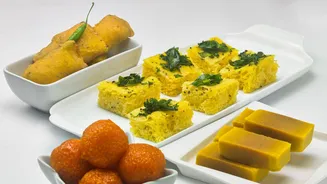
For many, especially in Gujarat, the morning of Vijayadashami (Dussehra) is incomplete without the customary breakfast of fafda and jalebi. Long queues form outside 'farsan' shops from the break of dawn, a testament to the dish's cultural importance.
The tradition is deeply connected to the Navratri festival that precedes it. Many people observe fasts during these nine days, and custom suggests breaking the fast with a food made from gram flour (besan). Fafda, being a light, gram-flour-based snack, fits this requirement perfectly. The jalebi, on the other hand, is seen as a symbol of celebration and victory. Mythological tales even suggest that jalebi, in its ancient form 'Shashkuli', was a favourite of Lord Ram, whose victory over Ravana is celebrated on Dussehra. Thus, the pairing is a nod to both religious observance and festive indulgence.
The Savoury Anchor: Understanding Fafda
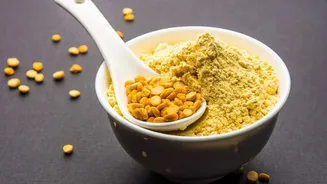
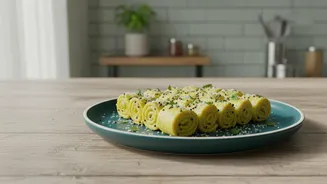
At its heart, fafda is a deceptively simple snack. It is made from a dough of gram flour (besan), seasoned with salt, turmeric, and carom seeds (ajwain), then skilfully rolled into thin, long strips and deep-fried to a crisp. The flavour profile is key to its role in the pairing. It is distinctly savoury and salty, but importantly, it is not overpowering. The besan gives it an earthy, nutty base, while the carom seeds provide a subtle, herbaceous note that aids digestion. Its texture is its other superpower: a delicate, satisfying crunch that shatters with each bite. This mild savouriness and crisp texture make it the perfect foundation, a neutral canvas waiting for its sweet counterpart.
The Sweet Star: The Allure of Jalebi
If fafda is the humble anchor, jalebi is the dazzling star. Made from a fermented batter of all-purpose flour (maida), it is piped in intricate spiral shapes into hot oil and fried until crisp. These golden swirls are then immediately dunked into a warm sugar syrup, often fragrant with saffron and cardamom. The result is a textural marvel: crispy on the outside, while the inside is chewy and saturated with intensely sweet syrup. After days of fasting or energetic Garba dancing during Navratri, the sugary jalebi is believed to provide an instant glucose boost to replenish energy levels. Its vibrant character is unapologetically sweet and indulgent.
The Science of a Perfect Bite
The magic of fafda-jalebi lies in the principle of contrast, a concept food scientists call 'flavour layering'. Our palates crave variety, and this combination delivers on multiple fronts. First, there's the classic sweet and salty interplay. The saltiness of the fafda actually enhances the perceived sweetness of the jalebi, making it more pronounced and satisfying. Salt also has an ability to suppress bitterness, allowing the purer, more pleasant flavours to shine. Taking a bite of salty fafda effectively cleanses the palate from the intense sugar rush of the jalebi, preventing the sweetness from becoming overwhelming and allowing you to go back for more. This is a phenomenon known as sensory-specific satiety. Then there's the textural contrast: the brittle crunch of the fafda against the crisp-yet-chewy, syrupy jalebi creates a complex and deeply gratifying mouthfeel.
More Than Just a Meal
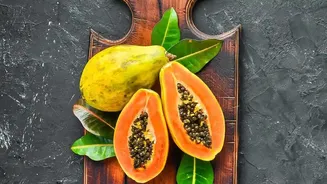
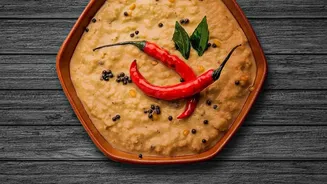
The experience is rarely just about the two main components. The plate is often rounded out with a side of 'sambharo'—a quick stir-fry of shredded raw papaya and carrots—and a chutney, usually made with green chillies or coriander, which add fresh, spicy, and tangy notes. A fried green chilli is almost always on the side for those seeking extra heat. This combination is more than a breakfast; it's a communal experience. It is a symbol of balance—the savoury and the sweet, fasting and feasting, discipline and celebration. Popularised in Ahmedabad by heritage eateries like Chandravilas since the early 1900s, it has cemented itself as an unmissable ritual that brings families and neighbourhoods together.