






The Core of the Forecast
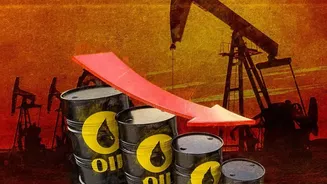
Financial analysts are pointing towards a new, elevated baseline for global energy costs. S&P Global Energy anticipates that Dated Brent, a key global benchmark, will average around $90 or higher for the rest of 2026 and hover around $86 in 2027, which
is a $5 increase from its previous outlook. This isn't a fleeting spike but a projection of a sustained period of expensive energy, driven by a complex mix of tight supplies, persistent demand, and significant geopolitical instability that has rattled energy markets. This sentiment is echoed by other major financial institutions like Goldman Sachs, which also raised its forecast for the end of 2026 to $90 per barrel, citing considerable supply-side risks.
A Story of Tight Supply
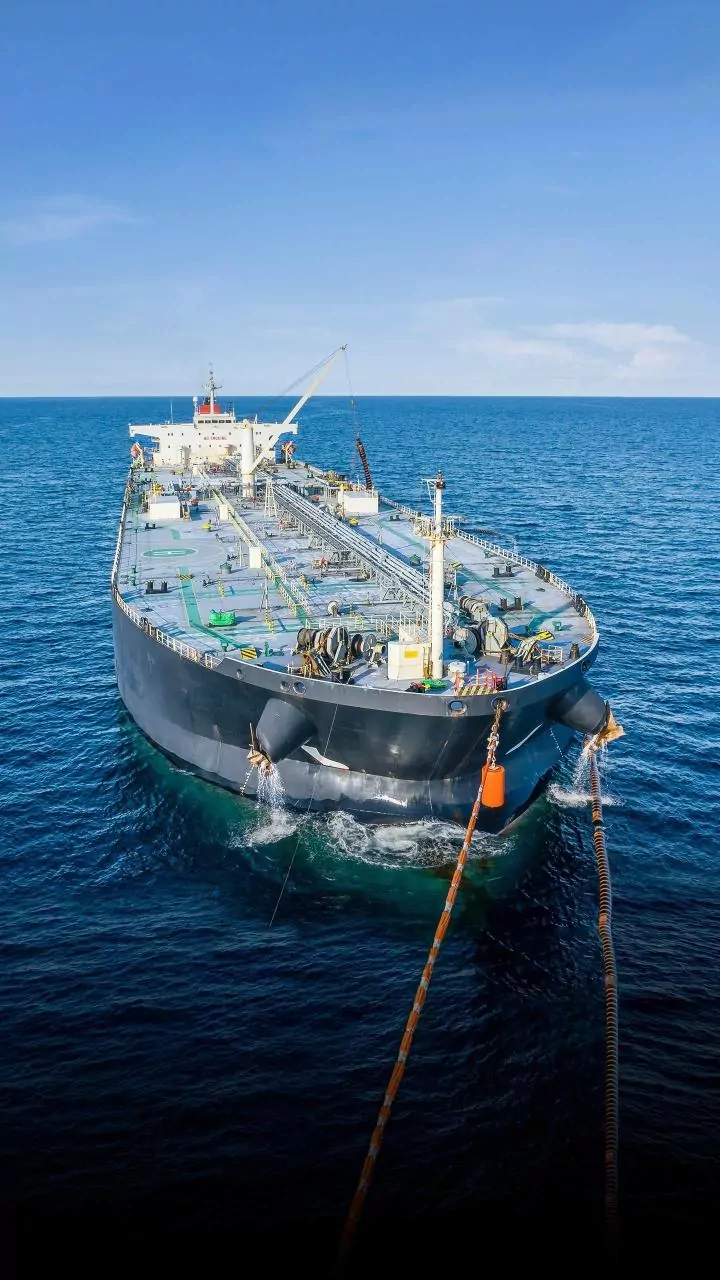
The primary reason for these stubbornly high prices is a classic supply-and-demand imbalance. On the supply side, the market is described as 'constrained'. Ongoing conflicts in the Middle East have disrupted production and, more critically, the safe passage of oil tankers through vital chokepoints like the Strait of Hormuz. These disruptions have added a significant 'geopolitical risk premium' to every barrel of oil, with some analysts estimating this premium to be as high as $20. Furthermore, the OPEC+ alliance of oil-producing nations has been carefully managing production levels. Despite calls to increase output, the group's ability to bring more oil to the market is complicated by these geopolitical realities and internal negotiations over production quotas for 2027.
Relentless Global Demand
While supply is tight, global demand for oil shows no signs of collapsing. OPEC has actually raised its forecast for global oil demand growth for 2027, projecting an increase of 2.6 million barrels per day (mb/d). This growth is almost entirely driven by non-OECD countries, with developing economies in Asia and the Middle East leading the charge. India, in particular, remains a crucial engine of demand. Consumption of transportation fuels like gasoline and diesel is expected to be robust, powered by strong vehicle sales and a healthy manufacturing and agricultural sector. Even with a slight moderation in its growth forecast for 2026, India's total oil demand is expected to be a formidable 5.7 million barrels per day.
What This Means for India
For a nation that imports over 80% of its crude oil, a sustained period of $80-$100 oil is more than just a headline—it's a direct hit to the economy. The impact creates a domino effect. First, the country's import bill swells, widening the Current Account Deficit (CAD). For every $10 rise in crude prices, India's CAD can widen by 0.3% to 0.5% of GDP. Second, it fuels inflation. Higher diesel prices increase the cost of transporting everything, especially essential goods like food, pushing up retail inflation. This 'imported inflation' puts pressure on household budgets and presents a tough choice for the government: either absorb the cost and strain its own finances or pass it on to consumers at the pump, risking public anger and a slowdown in spending. Ultimately, high energy prices act as a tax on growth, increasing costs for industries and reducing the purchasing power of citizens.
Wildcards and Future Outlook
While the $80-$100 range appears to be the base case, analysts acknowledge significant volatility. The situation in the Middle East remains the biggest wildcard. A significant escalation that further damages infrastructure could send prices soaring towards $125 per barrel. Conversely, a faster-than-expected resolution and recovery of Gulf production could see prices fall back into the $60s. Another factor is the state of global oil inventories, which have fallen to dangerously low levels, according to the head of Saudi Aramco. Replenishing these buffers while meeting current demand will provide a strong underlying support for prices for the next couple of years.