







The Promise in the Powder
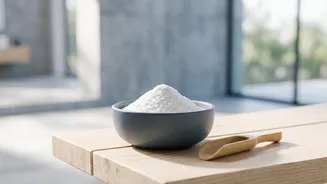
Walk into any gym, and you'll likely hear someone discussing their supplement stack. At the top of that list is often creatine, one of the most researched and popular performance enhancers on the market. Its appeal is understandable. Studies consistently
show that creatine monohydrate can help users increase strength, boost power output during short, intense bursts of exercise, and even enhance recovery between workouts. It works by helping your muscles produce energy more efficiently, allowing you to push harder and get more out of each training session. Given these proven benefits, it’s easy to see why many view it as a non-negotiable part of their routine, a quick and simple way to fast-track results. This has led to a common belief that as long as you're taking your creatine, you're covering your bases for muscle growth and repair.
The Unskippable Work of Recovery
Here's the reality check: muscle isn't built in the gym. Your workout, whether it's lifting weights or intense cardio, is the stimulus that causes microscopic tears in your muscle fibres. The actual growth and repair happen when you rest. This is where the pillars of recovery—sleep, nutrition, and hydration—come into play, and they are non-negotiable. During deep sleep, your body releases crucial growth hormones and gets to work repairing damaged tissues. Studies have shown that even a single night of poor sleep can significantly reduce muscle protein synthesis, the very process that builds new muscle. Similarly, your diet provides the raw materials. Protein offers the amino acids needed to rebuild and strengthen muscle fibres, while carbohydrates replenish the glycogen stores you burned during your workout. Without these foundational elements, your body simply doesn't have the tools or the time to adapt and grow stronger.
Why You Can't Out-Supplement a Bad Lifestyle
Thinking of creatine as a solution for poor recovery is like trying to patch a leaky roof with a sticker. It might cover a tiny spot, but it doesn't address the fundamental problem. No supplement, no matter how effective, can replicate the complex, full-body restorative processes that happen during quality sleep and with proper nutrition. In fact, neglecting recovery can even render your supplements less effective. When you're sleep-deprived, your hormonal balance is thrown off; levels of the stress hormone cortisol rise, which can lead to muscle breakdown, while muscle-building hormones like testosterone decrease. Your body's ability to absorb and utilise nutrients is also impaired. So, even if you are taking creatine, your body isn't in an optimal state to use it for building muscle. You're essentially pouring water into a bucket full of holes.
Putting Recovery First, Supplements Second
The smart approach to fitness involves building a strong foundation first. Before you even think about which supplements to buy, evaluate your recovery habits. Are you consistently getting 7-9 hours of quality sleep per night? Is your diet rich in whole foods, with adequate protein and carbohydrates to fuel your workouts and repair your body? Are you staying hydrated and allowing for rest days? Once these fundamentals are firmly in place, then you can consider adding a supplement like creatine. Think of it as an amplifier. Creatine works best when it has something to amplify. It can help you get an extra rep or two, increase your training volume over time, and may even aid in the recovery process itself by reducing inflammation. But it is a performance enhancer, not a replacement for proper recovery practices. It supplements a good routine; it doesn't create one.