




Dispatch vs. Retail: A Tale of Two Numbers
When you see car sales figures, they usually come from two different places. First, there are 'wholesale' or 'dispatch' numbers, which car manufacturers report. These count the number of vehicles shipped from the factory to dealerships. It's a measure
of production and supply. The second, and arguably more important, number comes from the Federation of Automobile Dealers Associations (FADA). FADA tracks 'retail' sales—the actual number of vehicles bought by and registered to customers. This figure reflects real-time consumer demand. The difference is crucial. High dispatch numbers with low retail sales can mean unsold cars are piling up at dealerships. Conversely, strong retail figures show that buyers are genuinely embracing the vehicles. For a fast-growing segment like electric vehicles (EVs), retail data is the most accurate barometer of public interest and adoption.
Decoding the October 2026 Surge
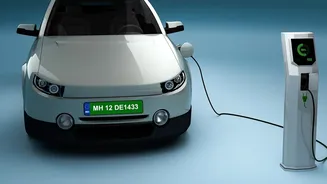
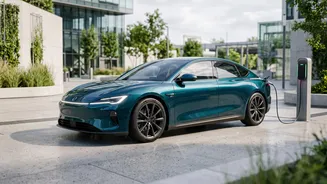
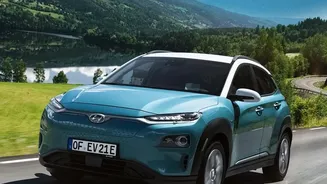
So, how big was the surge in electric passenger vehicles? According to FADA's retail data, an impressive 37,049 electric cars were sold in October 2026. This represents a staggering 76.5% increase compared to the 20,995 units sold in October 2025. The growth is even more striking when you consider that the overall passenger vehicle market saw a decline in the same period. This jump pushed the market share of EVs in total car sales to 7.3%, more than double the 3.5% share it held just a year ago. This wasn't just a flash in the pan; it marked the fifth consecutive month that EV sales crossed the 30,000-unit mark, signalling a structural shift in the market.
The Brands Leading the Charge
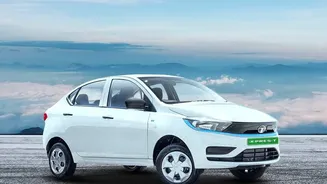
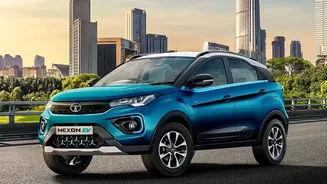
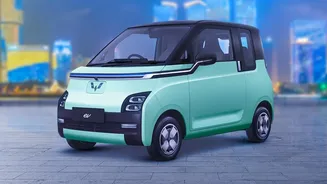
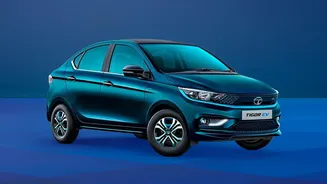
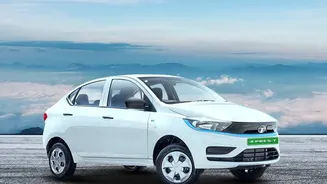
Tata Motors continues to be the dominant force in India's EV space, retailing 14,669 units in October 2026 and commanding a market share of nearly 40%. Its portfolio, which includes popular models like the Punch EV, Nexon EV, and Tiago EV, gives it a presence at multiple price points. However, competition is heating up. Mahindra & Mahindra secured a strong second place with 8,538 units, recording a remarkable 85.7% year-on-year growth. JSW MG Motor ranked third with 5,939 units sold. Together, these top three manufacturers accounted for nearly 79% of the entire electric car market in October. New players are also making their mark, with VinFast, Kia, and Maruti Suzuki all contributing significant volumes and intensifying competition.
What's Fuelling the Festive Boom?
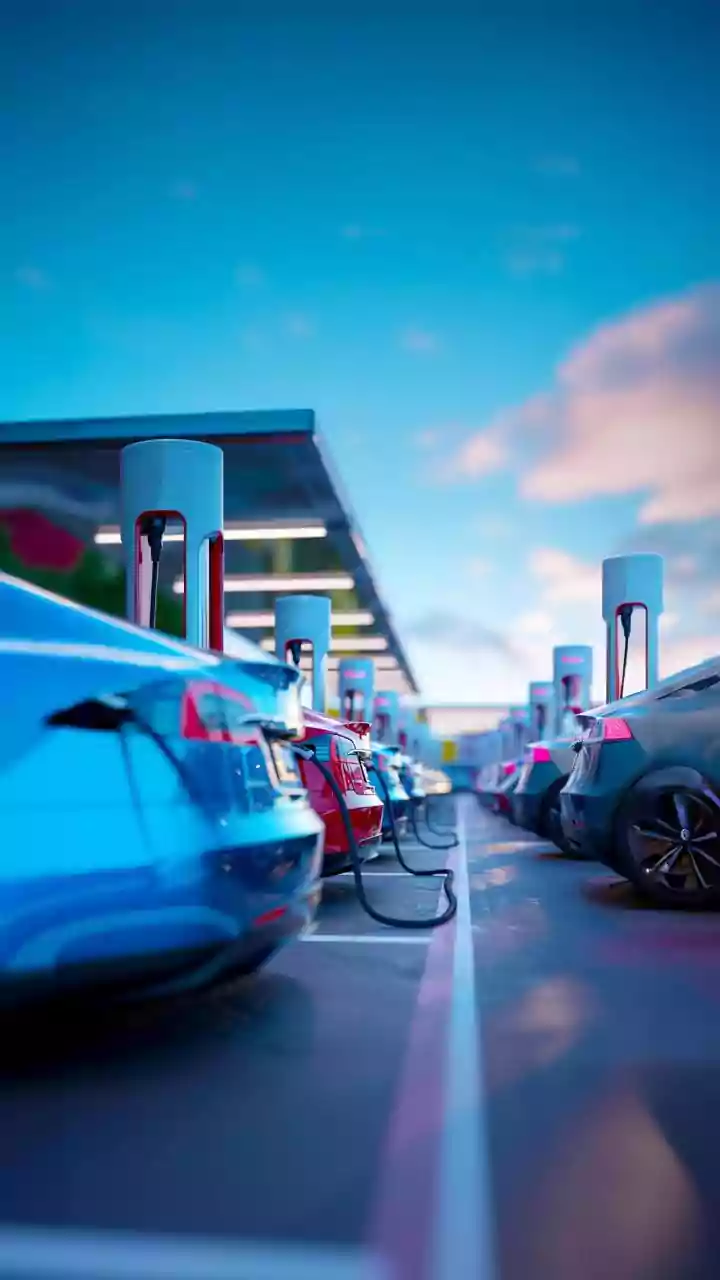
Several factors combined to create this perfect storm of EV demand. The festive period, encompassing Navratri and leading into Diwali, is traditionally a strong season for vehicle purchases, with manufacturers and dealers rolling out attractive offers. Beyond the seasonal bump, a wider availability of models is playing a huge role. A year ago, many of the current models didn't exist. Now, with more choice, consumers are finding EVs that fit their budgets and needs. There's also growing consumer confidence, driven by noticeable improvements in vehicle quality, real-world range, and the steady expansion of the highway charging network. This is helping to shift the perception of EVs from a niche curiosity to a practical primary vehicle for many families.
The Road Ahead and Potential Hurdles
While the October numbers are overwhelmingly positive, the industry isn't without its challenges. Industry bodies have noted that strong demand has, at times, outstripped supply, leading to waiting periods for popular models. This has been linked to global supply chain issues and logistics for transporting EV-specific components. Maintaining this growth momentum beyond the festive season will depend on several factors. Addressing consumer concerns like range anxiety through continued infrastructure development and managing the high upfront cost of EVs remain key priorities for manufacturers. The industry will be watching November's sales figures closely to see if the powerful momentum carries forward or if the October surge was primarily a festive-driven peak.