



Why Plants Chase the Sun
Plants have a natural tendency to grow towards their light source, a phenomenon known as phototropism. This survival instinct ensures their leaves get enough light to perform photosynthesis, the process of converting light into energy. While fascinating,
this can lead to uneven, lopsided growth if a plant is always facing the light from the same direction. The side facing the window will be lush and full, while the side facing the room may become sparse and weak. Over time, this not only affects the plant's appearance but also its structural integrity, causing it to lean heavily and potentially become unstable.
Signs Your Plant Needs a Turn
Your plants will give you clear visual cues when they are receiving uneven light. The most obvious sign is a distinct lean, with stems and leaves stretching towards the nearest window. You might also notice that the foliage on the side away from the light is less dense, or the leaves are smaller and paler. In some cases, leaves on the sun-facing side might show signs of scorching or discoloration if the light is too intense, while the shaded side remains underdeveloped. Uneven soil moisture can be another clue; the part of the pot exposed to more sun and air may dry out faster.
Which Plants Are Most Sensitive?
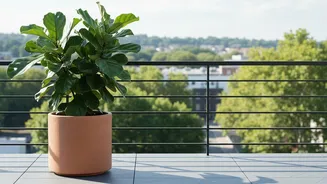
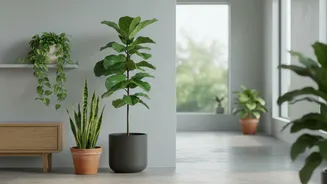
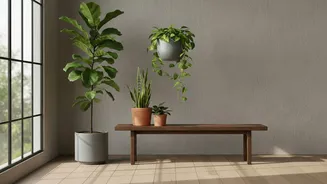
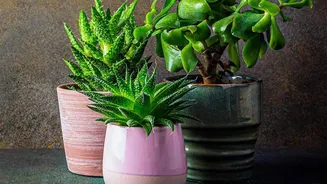
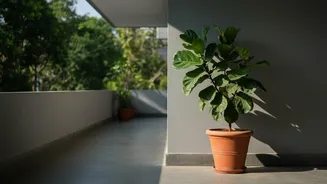
While most plants benefit from rotation, some are particularly reactive to light direction. In Indian homes, common varieties like the Fiddle Leaf Fig, Croton, and Money Plant (Pothos) are known to lean and grow unevenly if not turned. Flowering plants such as Peace Lilies and even some succulents can also develop asymmetrical shapes. Plants prized for their decorative foliage, like Calatheas and Snake Plants, maintain their best appearance when all sides receive a fair share of light, ensuring their patterns and colours develop evenly. Paying close attention to these sun-sensitive species will reward you with healthier, more attractive plants.
The Art of Regular Rotation
The key to successful plant rotation is consistency. A simple rule of thumb is to give your plant a quarter-turn (90 degrees) each time you water it. This integrates the task into your existing care routine, making it easy to remember. For most plants in moderate light, a quarter-turn once a week or every couple of weeks is sufficient to encourage balanced growth. Avoid making drastic turns, like a sudden 180-degree spin, as this can shock the plant by exposing the shaded, more delicate leaves to intense light too quickly. The goal is a gradual, consistent adjustment that the plant can easily adapt to. One exception is when a plant has set flower buds, such as an orchid; it's best not to rotate it then, as the change can sometimes cause the buds to drop.
Simple Ways to Track Rotation
Remembering if and when you last turned your plants can be a challenge, especially if you have a large collection. This is where keeping notes becomes invaluable. A low-tech method is to place a small, discreet mark on the pot, like a dot of paint or a sticker. Each time you water, you turn the pot so the next quadrant faces the light. You can also use a physical gardening journal to log watering and rotation schedules for each plant. For a more modern approach, use your phone’s calendar or a dedicated plant care app to set recurring reminders. Simply create a weekly or bi-weekly event labelled “Rotate Plants.” This simple system removes the guesswork and ensures every plant gets the balanced light it needs to thrive.