

A Nutritional Powerhouse
Often discarded, beet greens are packed with an impressive amount of nutrients. They are an excellent source of vitamins K, A, and C. In fact, a 100-gram serving of raw beet greens provides over 300% of the recommended daily intake for Vitamin K, which
is vital for bone health. They are also rich in minerals like potassium, iron, and calcium, and contain beneficial antioxidants such as beta-carotene and lutein. Despite this nutritional density, they are low in calories, making them a fantastic addition to a healthy diet. Including these greens in your meals can support your immune system, aid in digestion thanks to their fibre content, and contribute to overall well-being.
Selecting and Storing for Freshness
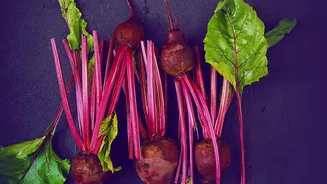
The key to delicious beet greens starts at the store. Look for beets with crisp, vibrant green leaves that show no signs of wilting or yellowing; their condition is a great indicator of the freshness of the entire vegetable. Once you get them home, the first step is to separate the greens from the beetroot. If left attached, the leaves will continue to draw moisture from the root, causing both to wilt faster. Trim the leaves about an inch or two from the top of the beet. To store the greens, wash them well to remove any grit, dry them thoroughly, and then wrap them in a paper towel before placing them in a plastic bag in your refrigerator’s crisper drawer. Stored this way, they should stay fresh for several days.
What Do They Taste Like?
If you're new to beet greens, you might wonder about their flavor. They have a mild, earthy taste that is similar to Swiss chard or spinach. Younger leaves tend to be more tender and sweeter, making them suitable for eating raw in salads. The stems, which are also edible, have a crunchier texture, similar to the stems of chard. Cooking mellows any slight bitterness that older leaves might have, bringing out a delicate sweetness.
The Simple Sauté: A Perfect Start
The most common and arguably one of the best ways to cook beet greens is a simple sauté. Start by separating the leaves from the tougher stems. Finely chop the stems and give them a head start in a hot, oiled pan with some garlic for a minute or two until they begin to soften. Then, add the roughly chopped leaves to the pan. They cook down quickly, much like spinach. Season with salt and pepper, and cook, tossing frequently, until the leaves are just wilted and tender, which usually only takes a few minutes. A squeeze of fresh lemon juice at the end brightens the flavour and can help your body absorb more of the iron from the greens.
Creative Ways to Use Beet Greens
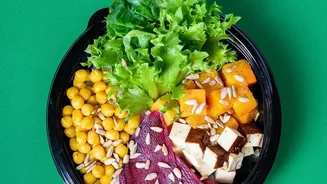
Once you've mastered the sauté, you can branch out. Beet greens are incredibly versatile. You can blend young, raw leaves into smoothies for a nutrient boost or use them as a base for a vibrant pesto, swapping them in for basil. They are a wonderful addition to soups, stews, and frittatas, adding earthy depth and colour. You can also toss them with pasta, add them to a grain bowl, or even bake them into crispy chips as a healthy snack alternative. Essentially, you can use beet greens in almost any recipe that calls for spinach, kale, or Swiss chard.