

The Maharashtrian Classic: Kanda Poha
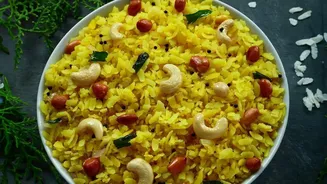
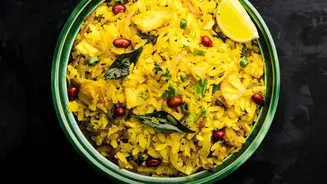
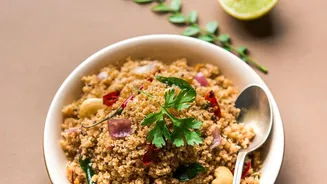
For many, this is the definitive version of poha. The name says it all: 'kanda' means onion in Marathi, and it's the star of this simple, savoury dish. The preparation is straightforward yet flavourful. Thick poha flakes are rinsed until soft, then tossed
into a pan with a tempering of mustard seeds, curry leaves, and green chillies. Sautéed onions provide a sweet base, while peanuts add a delightful crunch. Often, small cubes of potato ('batata') are also included, making it 'Kanda Batata Poha'. Finished with a squeeze of lemon and a garnish of fresh coriander, Kanda Poha is a comforting, quick, and universally loved dish that perfectly represents the heart of Maharashtrian home cooking. It's the go-to breakfast that is both light and satisfying.
The Street Food Star: Indori Poha
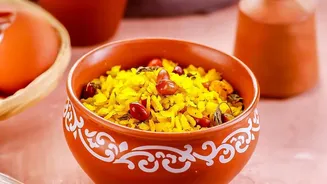
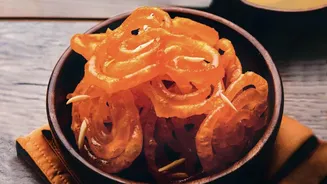
Travel to Madhya Pradesh, and you'll find a version of poha that is a textural and flavourful masterpiece. What makes Indori Poha unique is its preparation method. Instead of being sautéed in the pan, the rinsed poha is steamed over a pot of boiling water, resulting in incredibly soft and fluffy flakes. The tempering is added to the poha before steaming, allowing the flavours to infuse gently. But the real magic lies in the toppings. A generous sprinkle of Jeeravan masala, a tangy and spicy local spice blend, is essential. This is followed by a shower of crispy sev (fried gram flour noodles), chopped raw onions for bite, and sometimes sweet pomegranate seeds. The crowning glory? It's often served with a side of sweet, syrupy jalebi, creating an iconic sweet and savoury combination that is the pride of Indore's street food scene.
The Spicy Sensation: Nagpuri Tarri Poha
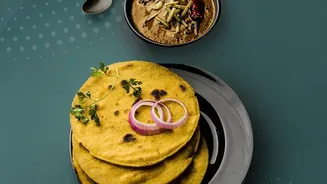
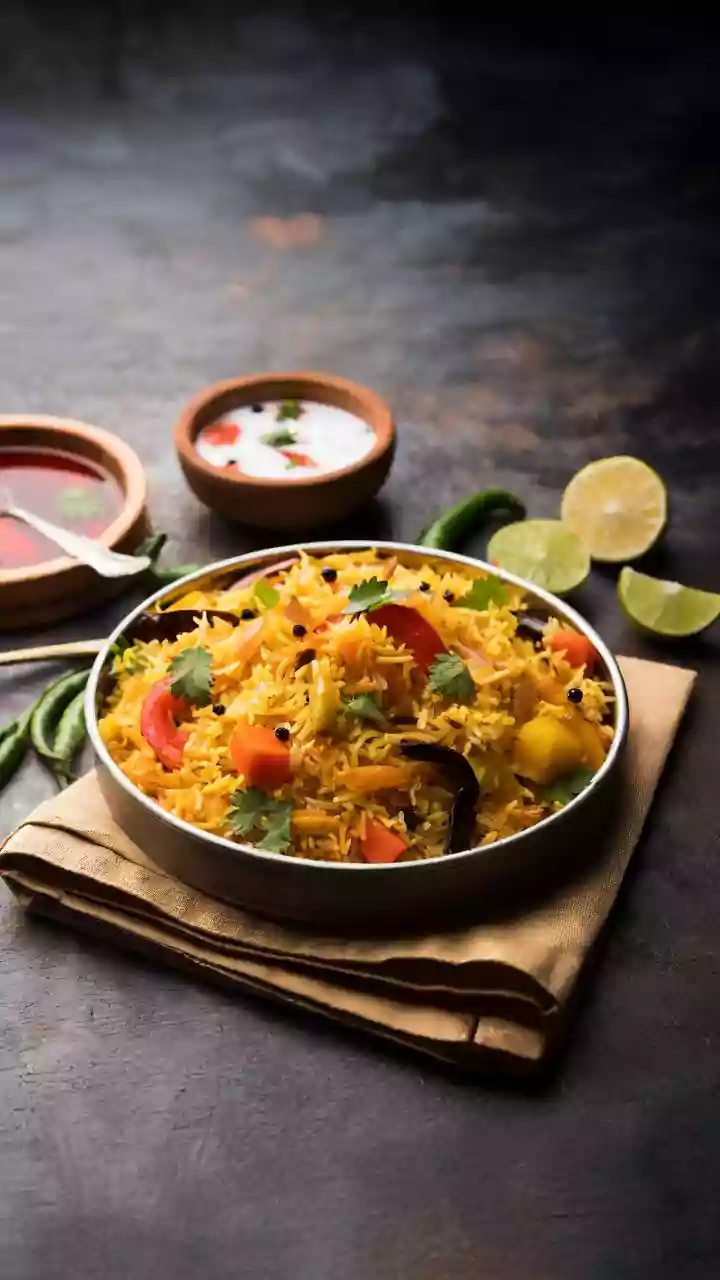
Nagpur offers a poha experience that is bold and fiery. Here, poha is not a one-pot dish but a two-part culinary event. First, a simple, savoury poha is prepared, much like the classic Kanda Poha but often kept plainer to act as a base. The real star is the 'tarri'—a spicy, dark gravy made from black chickpeas (kala chana). This gravy is aggressively spiced with the region's famous Saoji or kala masala, creating a deeply aromatic and pungent curry that is ladled generously over the soft poha just before serving. The combination is electric: the mild, fluffy poha soaks up the hot, flavourful tarri, creating a contrast of texture and a burst of spice in every bite. Garnished with raw onions and sev, Tarri Poha is a breakfast designed to wake you up and is a testament to Nagpur's love for robust flavours.
The No-Cook Wonder: Dadpe Poha
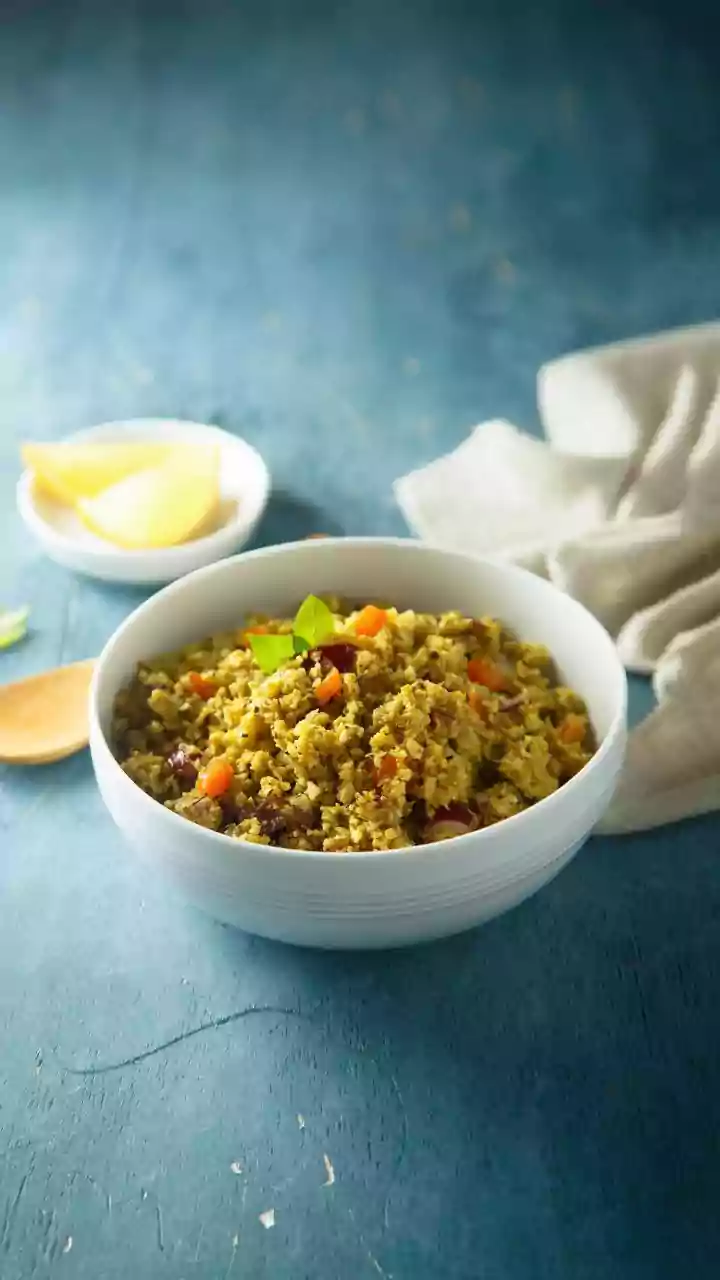
From the Konkan coast of Maharashtra comes a poha that defies expectations because it requires no cooking at all. 'Dadpe' means 'to press' in Marathi, which is the key to this recipe. Thin poha flakes are mixed in a bowl with finely chopped onions, fresh grated coconut, lemon juice, sugar, and salt. This mixture is then pressed down and left to rest. The moisture from the onions, coconut, and lemon juice is absorbed by the dry poha, softening it naturally over 10-15 minutes. The only heat involved is in the tempering—a sizzle of oil with mustard seeds, cumin, asafoetida, and chillies, which is poured over the softened poha mixture. The result is a refreshing, light, and tangy dish that feels more like a flavourful salad. It's a quick, ingenious preparation perfect for a warm day.
The Coastal Delight: Goan Sweet Poha
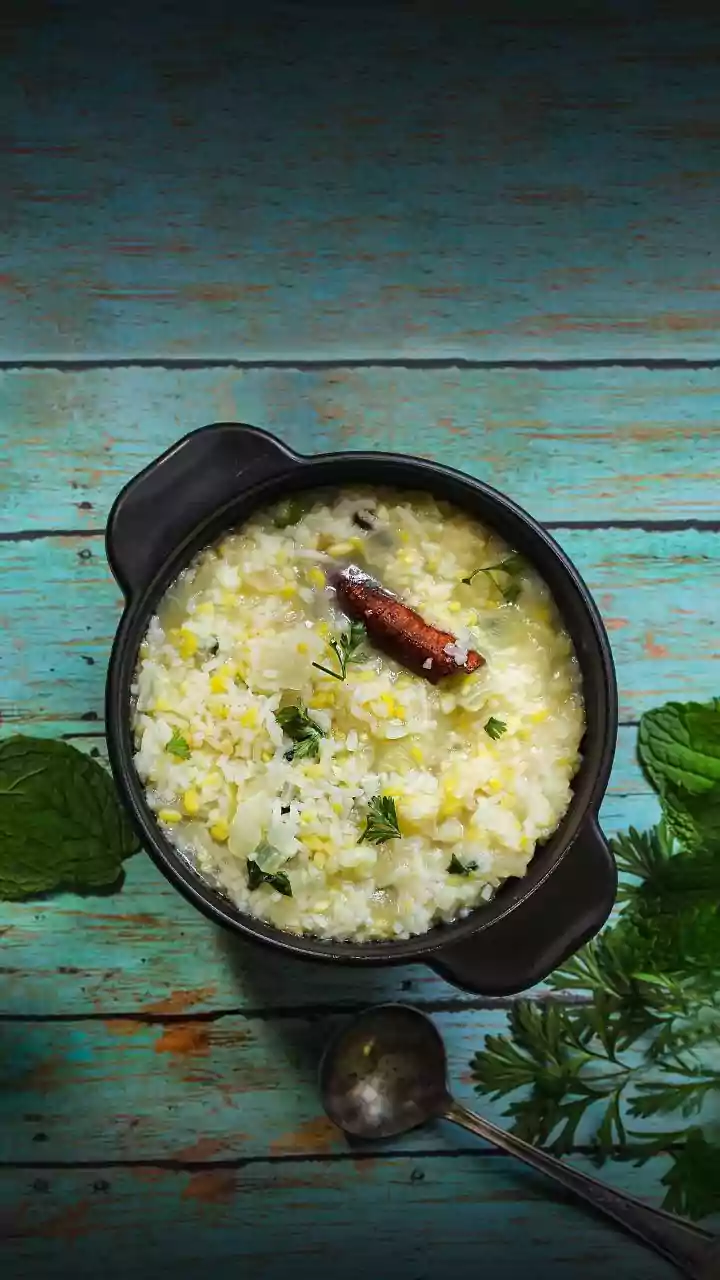
Proving its ultimate versatility, poha also shines in sweet preparations, particularly in Goa. There are a few variations, but a popular one is Godde Fov (sweet poha) or Doodhantle Fov (poha in milk). In its simplest form, this dish involves mixing softened poha with freshly grated coconut and shavings of dark, earthy Goan palm jaggery. A pinch of cardamom powder is often added for aroma. Another version, Rosatle Fov, involves cooking the poha in sweetened coconut milk ('ros') infused with cardamom or even a turmeric leaf for a subtle fragrance. These sweet versions are not cooked for long, just enough for the poha to absorb the creamy sweetness of the coconut milk and jaggery. It's a mild, comforting dish often made during festivals like Diwali, showcasing a completely different, dessert-like side of this humble ingredient.