
A Full-Body Cardio Workout in Disguise
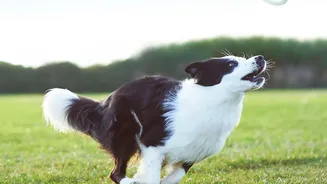
Don't underestimate the power of chasing a flying disc. Playing frisbee, especially in a game format like Ultimate, is an exceptional cardiovascular exercise. The nature of the game involves constant movement, including sprinting to catch a long throw,
jogging back on defense, and making quick, explosive cuts to get open for a pass. This mimics a form of interval training, which is highly effective for improving heart health and stamina. An active game strengthens the heart, making it more efficient at pumping blood, and can burn a significant number of calories—sometimes comparable to running at a moderate pace. Unlike a structured run, the fun of the game often makes you forget you are even exercising.
Sharpening Your Body and Mind
Frisbee is as much a mental workout as a physical one. Successfully throwing and catching a disc requires a high degree of coordination. This includes hand-eye coordination to track the disc's flight path, body coordination to position yourself for a catch, and spatial awareness to understand where your teammates and opponents are on the field. The act of throwing itself engages muscles in the arms, core, and torso. Consistently playing helps to improve motor skills, balance, and reflexes as you adapt to the fast-paced nature of the game. Studies have even shown that playing frisbee can enhance upper limb motor functions, including muscle strength and dexterity.
More Than a Game: A Social Connector
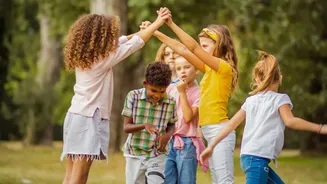
One of the most significant benefits of open-field frisbee is its social dimension. It’s an activity that is inherently built for groups, fostering teamwork, communication, and camaraderie. Whether it’s a casual game of catch or a more organized match, playing together brings people from different backgrounds and skill levels into a shared, positive space. This kind of regular social interaction through a fun, physical activity can reduce feelings of isolation and improve overall mental well-being. Many forms of the game, like Ultimate, emphasize a 'Spirit of the Game' ethos, which promotes fair play, respect, and conflict resolution among players, further strengthening community bonds.
Getting Started: All You Need Is a Disc and a Field
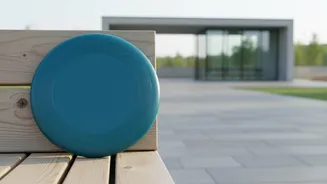
The barrier to entry for frisbee is incredibly low, which is a major part of its appeal. All you really need is a quality frisbee disc and an open space like a local park or field. You can start with a simple game of catch between two people to practice the basics. For a more dynamic workout, gather a few friends for a small-sided game. You can play a simple version of Ultimate Frisbee where the goal is to pass the disc to a teammate in a designated end zone. The basic rules are simple: you can't run with the disc, and you have a set amount of time to throw it to a teammate.
Tips for Your First Throw
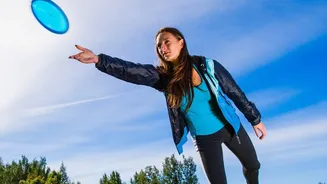
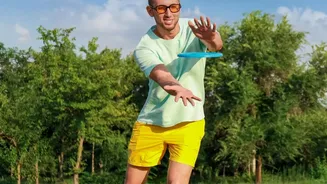
To avoid initial frustration, learning a basic backhand throw is a great starting point. Grip the disc with your four fingers curled under the rim and your thumb on top. Stand sideways to your target, bring the disc across your body, and then swing your arm forward, snapping your wrist as you release it to generate spin. For catching, the 'pancake' or 'clap catch' is the most reliable method for beginners: simply clap your hands together on the top and bottom of the disc as it arrives. Focusing on short, accurate throws at first is more important than distance. Most importantly, remember that the goal is to have fun while being active.