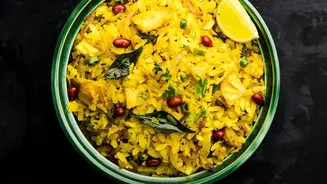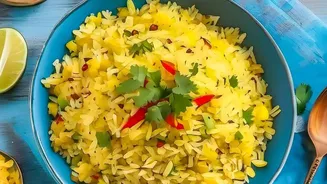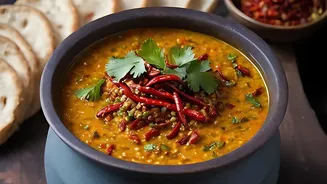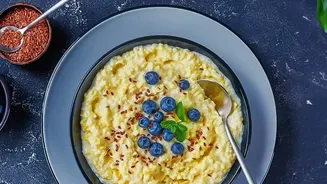





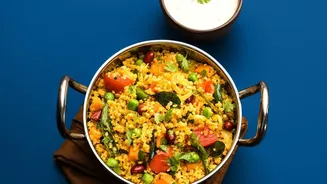


The Classic Gets a Modern Glow-Up
For generations, khichdi has been the go-to meal for comfort and nourishment. A simple, one-pot dish of rice and lentils, it's celebrated for its easy digestibility and soothing qualities. Its history is ancient, with mentions in Ayurvedic texts for its healing
properties. But today's food lovers are looking beyond its reputation as a dish for the unwell. They are reimagining khichdi as a versatile canvas for culinary innovation, transforming it from a simple staple into a gourmet experience that is both exciting and deeply satisfying. This new wave of khichdi is vibrant, packed with flavour, and perfectly aligned with modern wellness goals.
Millet: The Ancient Grain's Big Comeback
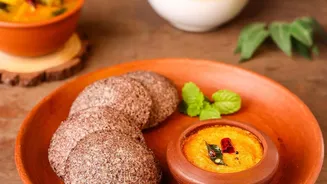
The star of this new khichdi narrative is undoubtedly the millet. Once a rustic staple, grains like jowar, bajra, foxtail, and barnyard millet are experiencing a major revival. Their resurgence is driven by a growing awareness of their impressive health benefits. Millets are naturally gluten-free, rich in dietary fibre, and packed with essential minerals like iron and magnesium. This makes them an excellent alternative to polished white rice. Their high fibre content aids digestion and promotes a feeling of fullness, which is beneficial for weight management. Furthermore, millets have a lower glycemic index, helping to manage blood sugar levels more effectively. This nutritional superiority, combined with a renewed interest in traditional Indian ingredients, has put millets back in the spotlight and into the modern Indian kitchen.
Masoor Dal: The Perfect Protein Partner
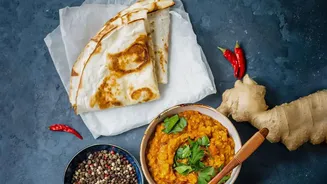
While moong dal is the traditional choice for khichdi, red lentil or masoor dal is emerging as a popular and practical alternative. One of its biggest advantages is its quick cooking time; it softens easily without needing extensive soaking, fitting perfectly into the busy lifestyles of modern professionals. Nutritionally, masoor dal is a protein powerhouse, complementing the complex carbohydrates from millets to create a complete and balanced meal in a single pot. This combination provides sustained energy and supports muscle repair and growth. Its slightly earthy flavour and creamy texture when cooked also pair beautifully with the nutty undertones of various millets, creating a dish that is both hearty and flavourful.
A Canvas for Culinary Creativity
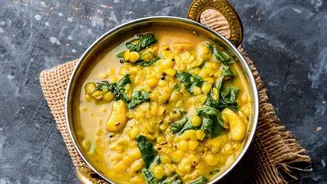
The beauty of the millet and masoor dal khichdi lies in its endless adaptability. Home cooks and chefs are experimenting with a wide array of additions to elevate the humble dish. Seasonal vegetables like carrots, peas, beans, and cauliflower not only add colour and texture but also boost the meal's vitamin and mineral content. The 'tadka' or tempering is where the real magic happens. Instead of a simple cumin and ghee tempering, food lovers are using a medley of spices like mustard seeds, curry leaves, dried red chillies, and asafoetida. Some are even adding whole spices like cloves and cardamom for a more aromatic, pulao-like experience. From topping it with crispy fried onions to stirring in a spoonful of tangy pickle or serving with a side of yogurt, the variations are a testament to khichdi's incredible versatility.
Why Now? Comfort for the Modern Age
This trend is gaining momentum 'this season' for a few key reasons. As the weather cools, there's a natural craving for warm, comforting foods, and khichdi fits the bill perfectly. Moreover, there is a larger cultural shift towards mindful eating and embracing foods that offer functional benefits like improved gut health and emotional well-being. Consumers are actively seeking out 'clean' and familiar ingredients over highly processed options. Millet and masoor dal khichdi aligns perfectly with this movement. It offers the nostalgic comfort of a traditional meal while meeting the modern demand for a dish that is nutritious, protein-rich, and easy to digest. It's a meal that feels both like a warm hug and a smart choice for a healthy lifestyle.