




The 'Form First' Philosophy
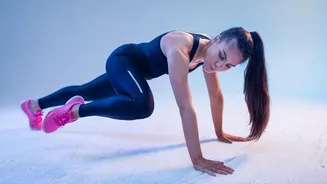
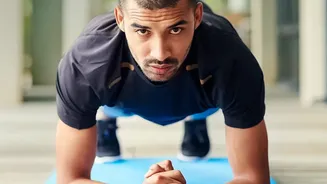
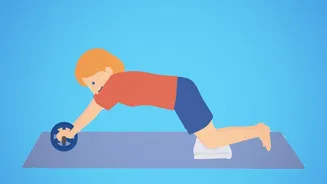
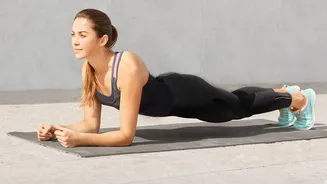
When you begin exercising, it’s tempting to measure progress by the numbers on the dumbbell or the speed on the treadmill. But experts agree that the real foundation for success is movement quality. This means focusing on learning the correct form for an exercise—like
a squat or a push-up—using just your body weight before you think about adding external weight (load) or doing it faster (speed). Think of it like learning to write. You must first learn how to form each letter correctly before you can write words, sentences, and eventually, a novel. In fitness, mastering the basic pattern of an exercise is your alphabet. Rushing this step is like trying to write a book when you can barely hold a pen.
Building Your Body's Blueprint
The first few weeks of any new training program are less about building bigger muscles and more about teaching your brain and muscles to communicate effectively. This is called neuromuscular adaptation. Your nervous system learns to recruit the right muscle fibers in the right order to perform a movement efficiently. When you practice a squat with good form, you're creating a strong neural blueprint for that movement. Your body learns how to stabilize, balance, and activate the target muscles. This initial phase of strength gain comes primarily from your nervous system becoming more efficient, not from muscle growth. By perfecting these pathways first, you build a solid foundation that allows for safer and more effective progress later on.
The High Price of Rushing Ahead
Adding weight or speed to a poorly executed movement doesn't make you stronger; it just reinforces bad habits and dramatically increases your risk of injury. When your form is incorrect, the load you're trying to lift gets distributed to places not meant to handle it, like your joints, ligaments, and lower back. This not only leads to potential sprains and strains but can also cause long-term joint issues. Furthermore, you're not even effectively training the muscles you intend to. If you perform a bicep curl by swinging your back, you're using momentum, not your bicep. This leads to stalled progress, frustration, and a higher likelihood of quitting altogether.
Mastering the Fundamental Movements
So, what are these essential movement skills? Most fitness programs are built around a few core patterns. These are often categorized as locomotor, non-locomotor, and object manipulation skills. For general fitness, focus on these five foundational movements: the squat (sitting down and standing up), the hinge (bending at the hips, like in a deadlift), the push (push-ups, overhead press), the pull (rows, pull-ups), and the carry (walking with a weight). Start by learning these with just your body weight. Pay attention to how your body feels. The movement should feel stable and controlled. You can even film yourself or ask a qualified trainer to check your form. The goal is confident, pain-free repetition.
When Is It Time to Add Weight?
The signal to progress isn't marked on a calendar; it's based on your competence in the movement. A good rule of thumb is to add load or speed only when you can consistently perform an exercise for a set number of repetitions (e.g., 10-12 reps) with perfect form, without pain or excessive struggle. The last one or two reps should be challenging, but not impossible, and your form should not break down. When you do decide to add weight, do so gradually. Start with a light weight to ensure you can still maintain the same high-quality movement pattern. Remember, the weight is just a tool to make a good movement more challenging. It should never come at the expense of the movement itself.