



The All-Purpose Pearl
Known as sabudana, sago, or javvarisi, these chewy pearls are made from the starch of the cassava or tapioca root. Naturally gluten-free and a potent source of carbohydrates, sabudana is revered as a quick energy booster, making it a popular choice for
breakfast and for those observing religious fasts. Its magic lies in its neutral flavour and unique texture, which allows it to absorb the tastes of spices, aromatics, and other ingredients it's cooked with. While its preparation starts with a simple soak, the final dish can vary dramatically from one state to another, telling a unique story of local tastes and culinary traditions.
The Maharashtrian Classic: Sabudana Khichdi
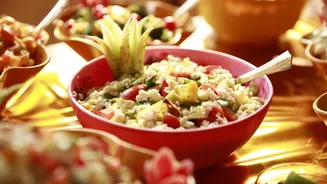
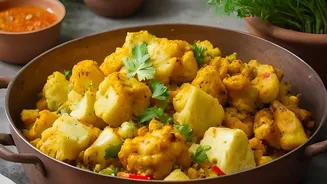
The most famous preparation is undoubtedly Sabudana Khichdi, a dish that holds a special place in Maharashtrian cuisine. Often enjoyed for breakfast or during fasts (vrat), this savoury dish is a masterclass in texture and flavour balance. The soft, translucent pearls of sago are sautéed with boiled and cubed potatoes, then elevated by the nutty crunch of coarsely crushed roasted peanuts. A simple tempering of cumin seeds and green chillies in ghee provides a fragrant base, while a final squeeze of lemon juice adds a bright, tangy finish. It’s a comforting, wholesome meal that is both satisfying and light, explaining its enduring popularity on street food stalls and in homes across western India.
The Southern Take: Javvarisi Upma
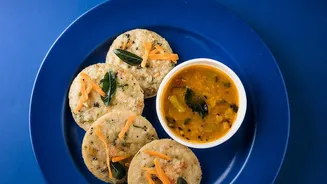
Travel south, and you'll find a distinctly different, yet equally delicious, version called Javvarisi Upma. Popular in Tamil Nadu, this dish showcases the region's signature tempering, or 'tadka'. Instead of the simple cumin flavour of its western counterpart, this upma often starts with mustard seeds, urad dal (split black gram), and chana dal (split chickpeas) sputtering in hot oil. Curry leaves and sometimes ginger add another layer of aroma. Onions are often included, sautéed until soft and translucent before the soaked sago is added. The result is a dish with a more complex savoury profile, where the earthy flavours of the dals and the fragrance of curry leaves create a unique identity for the humble sago pearl.
The Crispy Street Snack: Sabudana Vada
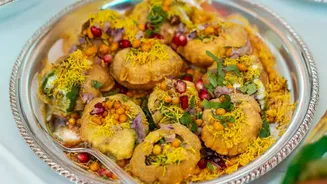
While not exclusively a breakfast item, the Sabudana Vada is a ubiquitous street food snack often enjoyed in the morning. These deep-fried fritters are popular across India but are another jewel of Maharashtrian cuisine. The preparation involves mixing soaked sabudana with mashed boiled potatoes, crushed peanuts, green chillies, and fresh coriander. This mixture is shaped into patties and fried until golden brown and crispy on the outside, while remaining soft and chewy on the inside. Served hot with a side of spicy green chutney or cooling yogurt, these vadas offer a delightful contrast of textures and are a perfect, energising start to the day.
A Sweet or Savoury Start in the East
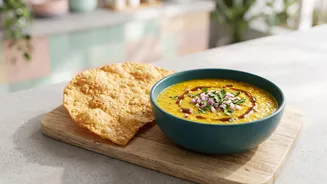
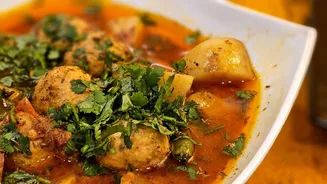
In Eastern India, particularly in Bengal, sabudana takes on different forms. One version is a savoury 'Sabur Khichuri', which is distinct from the Maharashtrian style. This dish often incorporates moong dal (split yellow lentils) and a medley of vegetables like pumpkin and cauliflower, cooked together into a more porridge-like consistency. The flavour profile is guided by Bengali spices, sometimes including the 'panch phoron' five-spice blend. On the other hand, sabudana is also widely used to make a sweet kheer or payasam. This creamy pudding, simmered with milk, sugar, and flavoured with cardamom, is a comforting dish that can be served warm or chilled for breakfast, especially during festivals. It showcases the sweet, dessert-like potential of sago.