






A Success Story's Hidden Risk
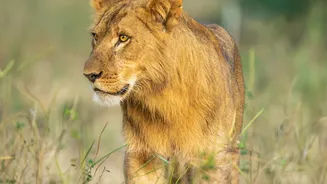
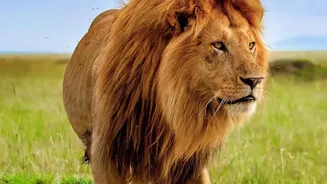
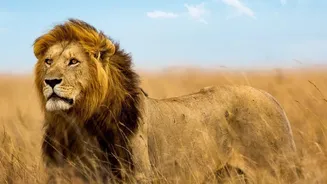
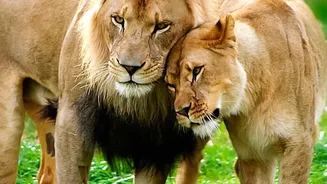
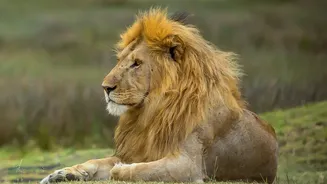
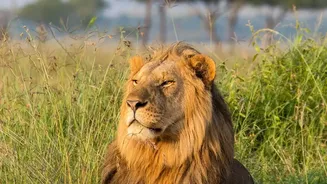
For decades, the Gir Forest in Gujarat has been the sole sanctuary for the world's wild Asiatic lions. Thanks to dedicated conservation, their numbers have surged from a few dozen to nearly 900. But this triumph has created a dangerous vulnerability.
Confining an entire species to a single location is like putting all your eggs in one basket. A single outbreak of disease, like the canine distemper virus that killed dozens of lions in 2018, or a large-scale natural disaster could be devastating. Wildlife experts have long warned that this geographic isolation poses a severe extinction threat. With Gir's carrying capacity now stretched and lions spilling into human-dominated landscapes, the risk of disease transmission and conflict grows, making the need for a second home more urgent than ever.
Barda: A Historic Home Reawakens
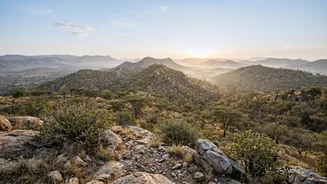
Enter Barda Wildlife Sanctuary, located about 100 kilometres from Gir. This isn't a new idea; Barda was historically part of the lion's natural range until they disappeared from the area around 1879. Under 'Project Lion', Barda has been officially identified as the ideal second home. Significant work has been undertaken to prepare the 192-square-kilometre sanctuary for its former residents. Efforts have focused on restoring the habitat and, crucially, increasing the prey base by reintroducing species like spotted deer and sambar to ensure the lions have ample food. This preparation paved the way for a landmark moment in conservation history.
The Long Road to a Second Home
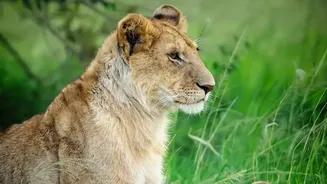
The journey to establish a second lion population has been long and fraught with debate. For years, the Supreme Court of India pushed for translocation, even ordering it as far back as 2013, with Kuno National Park in Madhya Pradesh as the initial proposed site. However, the plan faced persistent resistance, often rooted in the view of the lions as the 'pride of Gujarat'. The stalemate has finally been broken with the selection of Barda, a solution within Gujarat itself. The process gained momentum in January 2023 when a male lion naturally dispersed from Gir and walked into Barda on its own, reaffirming the ecological corridor between the two forests. Following this, the Gujarat Forest Department introduced five females to establish a founder population.
A New Beginning and A Safer Future
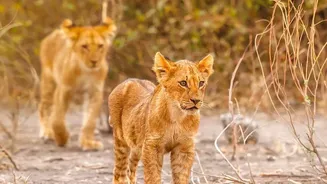
The return of lions to Barda has already shown remarkable signs of success. The initial group of six radio-collared lions has adapted well, and by mid-2025, the population had grown to 17, including 11 cubs born in their new home. Recent scientific studies have confirmed that Barda's ecosystem is suitable for sustaining a long-term population. The lions' diet consists mainly of wild prey like wild pigs, supplemented by some domestic animals, highlighting the need for continued management of both the prey base and human-wildlife interactions. This new, geographically separate population acts as a vital insurance policy. It protects against a single catastrophe wiping out the species and helps maintain genetic diversity, securing the lion's future.