



A Flower That Waits 12 Years
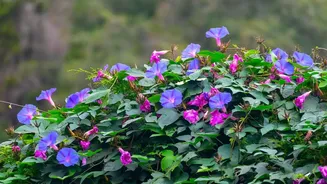
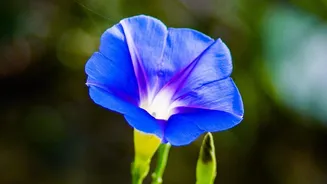
The Neelakurinji, or Strobilanthes kunthiana, is no ordinary plant. It’s famous for a rare biological phenomenon called gregarious flowering: it blooms only once in its 12-year lifespan. After this single, spectacular floral display, the plant produces
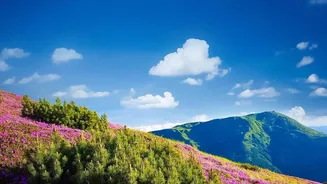
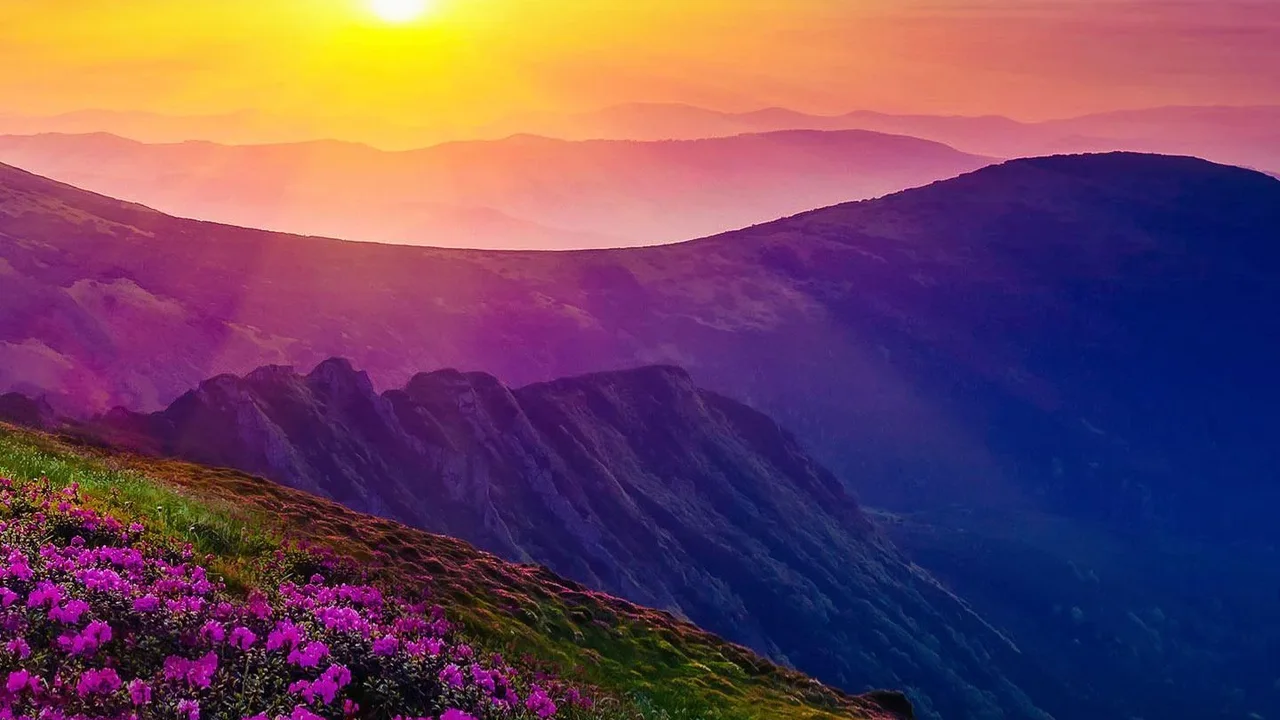
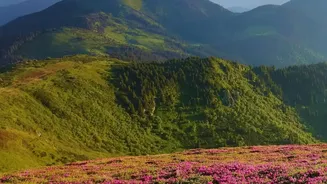
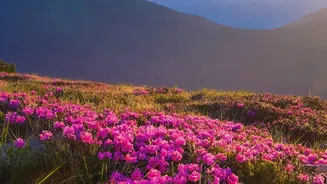
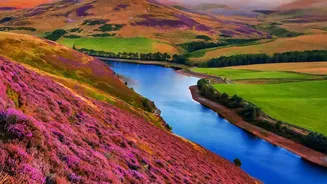
seeds and then dies, passing the baton to a new generation. This synchronized blooming across entire hillsides creates a natural masterpiece that cannot be replicated. For a few short months, the green grasslands of the Western Ghats are transformed into a sea of violet, an event so rare that missing it means waiting another twelve years for its return.
The New Context: Why 2026 Is Different
Many who follow this natural wonder associate Munnar’s Neelakurinji bloom with Eravikulam National Park, which last saw a major bloom in 2018 and is expected to flower again in 2030. However, the 2026 spectacle is happening in different locations and follows a separate clock. This year’s bloom is concentrated around the Chokramudi, Korandakkad, and Mattupetty hills. This specific population of Neelakurinji last flowered in 2014, making 2026 its scheduled year. So, while it feels like an early arrival, it’s actually a different group of flowers keeping its own twelve-year promise, offering a unique opportunity to witness the magic without waiting until 2030.
A Fragile Spectacle Under Watch
The return of the Neelakurinji also brings a renewed focus on conservation. The plant is endemic to the high-altitude shola-grassland ecosystems of the Western Ghats, a habitat under increasing pressure. In 2024, the species was officially classified as 'Vulnerable' on the IUCN Red List, highlighting concerns over its declining population due to habitat loss from plantations, invasive species, and unregulated tourism. In response, authorities have introduced stricter measures for the 2026 bloom. The National Green Tribunal has also stepped in, directing officials to create a concrete action plan for the plant's protection. This year, the focus is not just on witnessing the bloom, but on preserving it for future generations.
How to Experience the Bloom Responsibly
For those planning a visit, the 2026 bloom offers a more regulated and eco-conscious experience. The main viewing areas are around Chokramudi and Mattupetty, which officially opened to visitors in late August 2026. To manage crowds and protect the fragile ecosystem, visitor numbers are being capped, and private vehicles may be restricted, with special shuttle buses operating instead. Authorities have issued stern warnings against plucking or damaging the flowers, with heavy fines and even prison sentences for offenders. The core message for visitors is clear: stay on designated trails, avoid using plastic, and admire the flowers from a distance. The best time to see the flowers is from September to October, when the bloom is expected to be at its peak after the monsoon.