




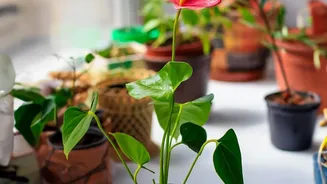
For urban gardeners in India, the changing seasons bring both joy and challenges. As temperatures shift and rainfall varies, your plants need you to adapt. Here’s how to adjust your care routine to keep them thriving all year long.
Summer Survival: Managing Intense Heat
Indian summers can be
harsh, with soaring temperatures and intense sunlight putting plants under significant stress. The key to survival is smart watering and sun protection. Water your plants deeply either early in the morning or late in the evening to minimise evaporation and allow roots to absorb moisture before the day's heat sets in. A common mistake is frequent, light watering, which encourages shallow roots. Instead, drench the soil thoroughly until water runs out of the drainage hole, and then wait for the top inch or two of soil to dry out before watering again. For plants on sun-drenched balconies, a shade net is a worthy investment to prevent scorched leaves. You can also group pots together to create a more humid microclimate or move sensitive plants away from direct afternoon sun. Applying a layer of mulch, like dried leaves or coco peat, on the soil surface helps retain moisture and keeps roots cooler.
Monsoon Mastery: Navigating Rain and Humidity
The monsoon provides welcome relief from summer, but it comes with its own set of challenges: overwatering, high humidity, and pests. The single biggest threat to potted plants during this season is root rot from waterlogged soil. Before the rains set in, ensure every pot has clear drainage holes. It’s wise to remove saucers from under pots so they don't collect excess water. During the monsoon, you must adjust your watering schedule. With high humidity and frequent showers, the soil stays moist for longer. Always check the soil with your finger; if it's damp, do not water. The warm, wet conditions are also a breeding ground for fungal diseases and pests like mealybugs and aphids. Improve air circulation by pruning dense foliage and check under leaves regularly. A preventive spray of neem oil solution can help keep these problems at bay.
Winter Wellness: Caring for Plants in the Cold
While Indian winters are mild in many regions, the drop in temperature, reduced sunlight, and drier air still require a shift in plant care. As plant growth slows down, their need for water decreases significantly. Overwatering in winter is a primary cause of plant failure, leading to root rot in cold, damp soil. Reduce watering frequency, and always let the soil dry out more between waterings. To maximize light exposure during shorter days, move indoor plants closer to windows. In North India, where temperatures can dip significantly, sensitive plants may need protection from frost, especially at night. You can cover them with cloth or move them to a sheltered spot. Grouping plants together can also help them retain warmth.
Seasonal Feeding and General Care
A plant's nutritional needs also change with the seasons. Spring is generally the time for active growth, making it ideal to start a regular fertilizing schedule. During the peak heat of summer, it's often best to reduce fertilization, as it can stress the roots. When you do fertilize in summer, use a diluted liquid feed. In the monsoon, heavy rains can leach nutrients from the soil, so using slow-release organic options like compost can be beneficial, though frequency should be reduced. Most plants enter a period of dormancy or slow growth in winter and require little to no fertilizer until spring returns. Paying attention to these seasonal rhythms is the key. Regularly check your plants for signs of stress, prune away dead or yellowing leaves to conserve energy, and always ensure good drainage.