




From Problem Plastic to Potential Protein
The core innovation lies in upcycling, but not in the way we typically think. Instead of just melting down plastic to make a park bench, scientists are breaking it down to its fundamental molecular level. The focus is on Polyethylene terephthalate (PET),
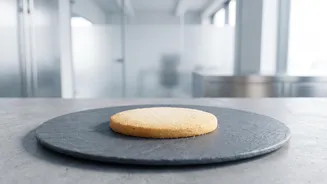
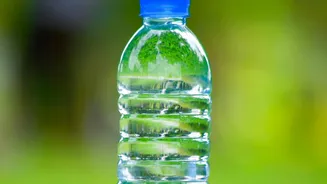
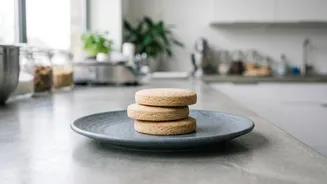
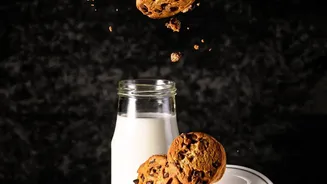
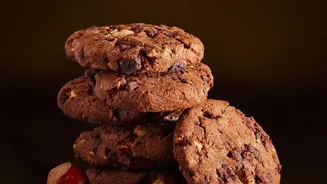
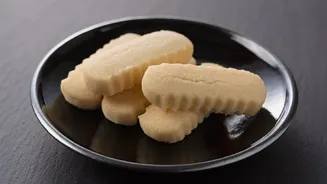
the common plastic used for drink bottles. A team at Southern Illinois University (SIU) Carbondale, as part of a NASA-led project, has developed a process to transform this plastic waste, along with agricultural byproducts like corn stalks, into edible proteins, vitamins, and even flavouring. This isn't about eating chunks of plastic; it's about using the carbon locked inside that plastic as a raw material for something new and nutritious. The resulting product, which they call 'µBites' (pronounced 'microbites'), is a protein-rich dough that can be extruded through a 3D printer to create cookies.
How Microbes Do the Dirty Work
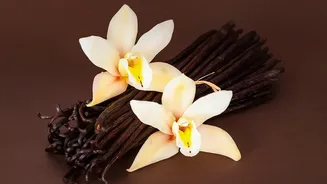
So, how exactly do you get from a plastic bottle to an edible ingredient? The process starts by breaking down the tough PET plastic into smaller, more manageable molecules. The SIU team uses a method called oxidative hydrothermal dissolution, which involves water and oxygen at high temperatures and pressures. This creates a kind of liquid feedstock. From there, the real magic begins with microbes. Researchers have programmed different strains of yeast to consume these carbon-rich molecules and convert them into valuable products. For instance, one strain of baker's yeast can produce vanillin, the compound responsible for vanilla's distinct flavour and aroma. Another can create beta-carotene, a nutrient our bodies convert to vitamin A. It’s a beautiful demonstration of green chemistry, where microorganisms are harnessed to solve a problem that humans created.
More Than Just a Sweet Treat
While a cookie made from plastic is the headline-grabbing outcome, the implications are far broader. The initial research in this field, conducted by scientists at the University of Edinburgh, focused on converting plastic-derived terephthalic acid into vanillin. This was significant because global demand for vanillin vastly exceeds what can be sourced from natural vanilla beans, with about 85% being synthesized from fossil fuels. Creating it from plastic waste offers a circular economy solution, turning a low-value pollutant into a high-demand chemical. This technology could offer a powerful economic incentive for recycling. Currently, a plastic bottle loses around 95% of its material value after a single use, and only a small fraction is recycled at all. If that bottle could become a source for valuable ingredients used in food, cosmetics, and pharmaceuticals, it changes the entire equation.
The All-Important Safety Check
This brings us to the central question: is it safe, and would you actually eat it? The headline is correct—human taste tests have not yet begun. Although the researchers at SIU state that available data indicates the µBites are safe for consumption, they are still awaiting formal institutional approval to start sensory evaluations. Initial feedback on the scent has reportedly been positive. The key thing to understand is that the final product is not plastic. The plastic is completely broken down into its basic chemical components, which are then used by microbes to build entirely new, edible molecules that are chemically identical to those found in nature. However, the journey from lab to plate is long. Any food ingredient derived from recycled materials must undergo rigorous regulatory review to ensure no harmful contaminants from the original waste stream make it into the final product.