







The High-Protein Phenomenon
Walk down any supermarket aisle, and you’ll see the protein trend in full force. Protein-fortified cereals, bars, cookies, and even coffee are becoming commonplace. This boom is fuelled by the widely held belief that more protein is always better—for
weight loss, muscle building, and overall health. High-protein diets are popular because they can increase feelings of fullness, which can help with weight management. They have also been shown to help preserve lean muscle mass during weight loss. This has led to dietary recommendations in some regions suggesting an increase in daily protein intake, sometimes to nearly double the previous advice.
What the New Science Suggests
A comprehensive new review, analyzing over 350 separate studies, is questioning the 'more is always better' approach. Published in the journal Cell Press Blue, the research suggests that for many people, especially those who are relatively sedentary, consuming less protein—not more—may actually promote healthier aging and a longer life. The researchers found that restricting protein intake was linked to improved metabolism, reduced cellular damage, and better blood sugar control, even when people consumed more total calories. This challenges the widespread recommendations for higher protein consumption, suggesting the health benefits may be oversold for the general population.
It's Not Just About How Much, But When and Why
The review makes a crucial distinction based on activity levels. For physically active individuals, the benefits of protein for muscle growth and repair are clear and well-established. However, the authors note that since most people are relatively sedentary, they are likely consuming more protein than their bodies need, which could have negative health consequences over time. The context of age also matters. While some older adults may need more protein to prevent muscle loss, others may already consume too little, making protein restriction potentially harmful for them. This points towards a need for personalized protein recommendations based on both age and physical activity, rather than a one-size-fits-all approach.
The Quality of Your Diet Still Reigns Supreme
Perhaps the most significant takeaway is the reminder that zeroing in on a single nutrient can make us miss the forest for the trees. The overall quality of a diet is more important than hitting a specific protein target. Some high-protein diets, for example, can be high in saturated fat from red and processed meats, potentially increasing the risk of heart disease. Conversely, other research highlights that the source of protein is critical. Studies have shown that replacing animal protein with plant-based protein is associated with a lower risk of premature death. Diets rich in plant proteins from sources like beans, lentils, and nuts tend to correlate with better long-term health outcomes, suggesting the entire food package—including fiber and micronutrients—is what truly matters.
Shifting from Counting Grams to Building a Better Plate
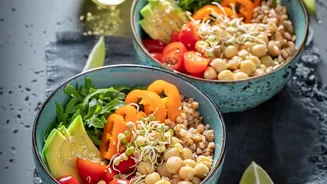
So, what does this mean for your daily meals? Instead of obsessing over hitting a high protein number, the focus should shift to building a balanced and varied diet. For most people, consuming an adequate amount of protein from high-quality sources is more sensible than aiming for the maximum possible. This means including a mix of lean animal proteins and a variety of plant-based proteins. Pay attention to what else is on your plate: whole grains, fruits, vegetables, and healthy fats. This holistic approach ensures you get the benefits of protein without neglecting the other essential nutrients that are crucial for preventing chronic disease and promoting overall well-being.