







The Birth of a Revolutionary Idea
In the late 1990s and early 2000s, as tourism boomed in Kerala, a problem emerged. While resorts and hotels flourished, local communities often felt left behind, leading to conflicts over resources and a disconnect from the industry's benefits. In response,
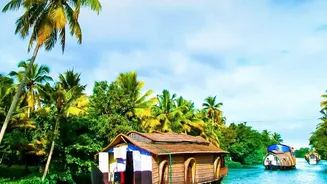
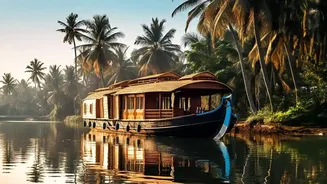
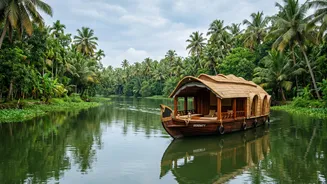
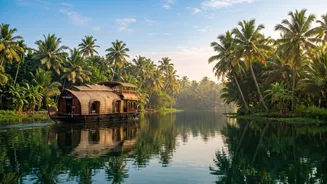
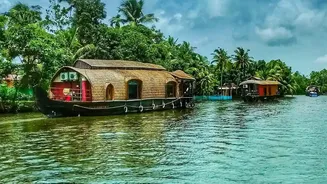
the state didn't just build more infrastructure; it built a new philosophy. The turning point was the launch of the Responsible Tourism (RT) initiative in 2007, with Kumarakom in the backwaters selected as a pilot destination. The goal was radical yet simple: to make tourism sustainable by ensuring it was economically, socially, and environmentally responsible. It was a move away from top-down development towards a model where the local community, from farmers to artisans, became the central stakeholders.
People, Planet, and Prosperity
The Kerala model is built on what's known as the 'triple bottom-line': economic, social, and environmental responsibility. Economically, it focuses on plugging financial leaks by connecting hotels and resorts directly with local producers. Instead of sourcing supplies from afar, they buy vegetables from local farmers, crafts from village artisans, and hire local guides. Socially, the mission works to preserve and promote local culture, ensuring that traditions and heritage are celebrated, not commercialised into stereotypes. Environmentally, it champions the conservation of the fragile ecosystems that draw visitors in the first place, from regenerating mangrove forests to tackling waste management. This holistic approach ensures that the benefits of tourism are felt directly by the host communities.
From Policy to People: A Thriving Ecosystem
The success of Kerala's Responsible Tourism Mission lies in its tangible impact. Today, the mission supports around 26,000 small enterprise units, directly benefiting about 1.5 lakh families. A remarkable 80% of these units are led by women, highlighting a strong commitment to gender-inclusive growth and empowerment. Initiatives like Village Life Experience packages allow tourists to engage with the community authentically—learning to climb a coconut tree, watching coir being made, or enjoying a traditional meal in a local home. This creates a powerful, mutually respectful exchange where travellers gain a deeper cultural understanding and residents earn a livelihood while sharing their way of life.
Still Leading the Way
Far from being a legacy project, the model continues to evolve and win accolades, proving it still has legs. In recent years, Kerala has won multiple Global Responsible Tourism Awards for initiatives focused on local sourcing, food, and women's empowerment. The state is now pushing the boundaries further with new projects like STREET (Sustainable, Tangible, Responsible, Experiential, Ethnic, Tourism hubs). This initiative aims to develop theme-based tourism streets—like a green street or a cultural street—in lesser-known rural areas, spreading the benefits of tourism beyond the main hubs and offering visitors unique, focused experiences. Projects like these, inspired by the UN's 'Tourism for Inclusive Growth' motto, show a continuous drive for innovation.
The Challenges on the Horizon
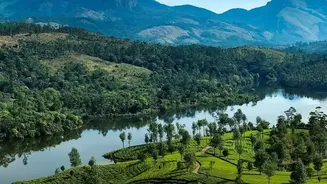
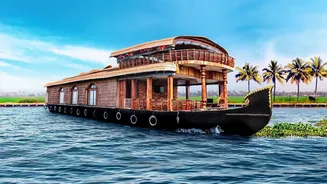
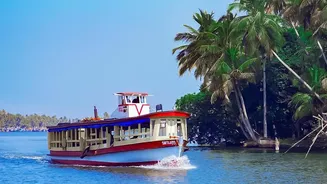
Despite its many successes, the journey isn't without its challenges. Overtourism in popular spots like Alleppey and Munnar puts a strain on natural resources, particularly the delicate backwater ecosystem. Ensuring that the economic benefits remain equitably distributed and that cultural experiences don't become overly commercialised requires constant vigilance. There's also the ongoing task of managing waste and upgrading infrastructure in rural areas to keep pace with tourism growth. The state's ability to address these issues head-on will be crucial for the long-term health of its pioneering model.