




What FSSAI Is Proposing
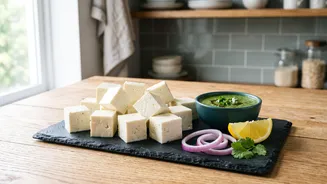
The Food Safety and Standards Authority of India (FSSAI) has released a draft amendment to its 2011 regulations that gets to the heart of what can be called 'paneer'. The proposal aims to restrict the use of the term exclusively to products made by coagulating
milk and separating the curd from whey. Under these new rules, products made from non-milk ingredients—such as vegetable oils, starches, or plant proteins—would be prohibited from using the name 'paneer' on their labels, marketing materials, or even on restaurant menus. This applies even to products already licensed under the 'Analogue in Dairy Context' category, which would need to be rebranded.
The Rationale Behind the Rule
The primary goal stated by FSSAI is to prevent consumers from being misled. The regulator wants to ensure that when a customer buys paneer, they are getting a product made from milk, as has been the tradition. This move is aimed at enhancing transparency and allowing consumers to make informed choices. The concern is that 'analogue' products, which imitate the texture and appearance of dairy paneer, can cause confusion. By reserving the name, FSSAI seeks to protect the integrity of traditional dairy terminology and address food safety concerns that have arisen from the sale of non-dairy alternatives misrepresented as the real thing.
The Rise of Dairy Alternatives
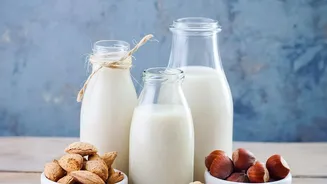
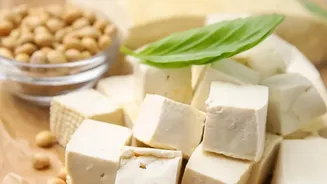
This regulatory debate is happening against the backdrop of a growing market for plant-based and alternative foods. Driven by factors like dietary restrictions (lactose intolerance), ethical choices (veganism), and perceived health benefits, many consumers are seeking out non-dairy options. These 'analogue' paneer products are often made from soy (tofu), nuts, or a blend of vegetable fats and starches designed to mimic the properties of traditional paneer. For producers in this space, the ability to use familiar terms like 'paneer' is a key marketing tool to help consumers understand how to use their products. The proposed rule change, therefore, directly challenges their business model and ability to compete.
What This Means For You
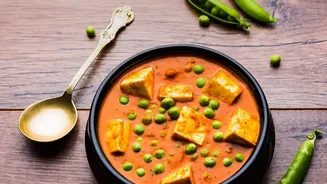
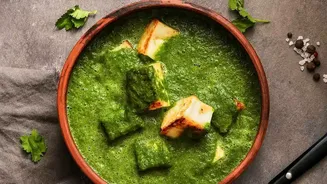
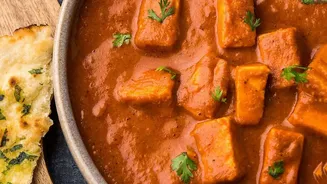
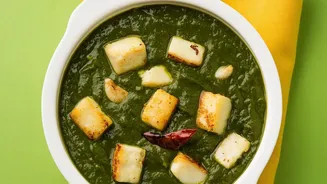
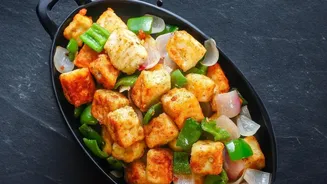
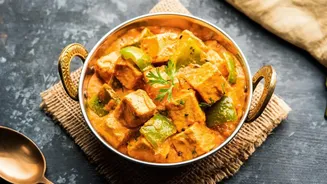
For the average consumer, this change could bring more clarity at the supermarket and in restaurants. Labels will become more specific, and a menu description of 'Paneer Butter Masala' would have to be made with genuine, milk-derived paneer. If a restaurant uses a non-dairy substitute, they would be required to disclose it. This is intended to stop consumers from unknowingly paying for a dairy product but receiving a cheaper analogue made from vegetable fat. While proponents argue this protects consumers, critics might suggest it could limit the visibility and accessibility of vegan and plant-based options that many people rely on.
What Happens Next
This proposal is not yet law. FSSAI has published the draft regulations and opened them for public consultation for 60 days. During this period, stakeholders—including dairy farmers, plant-based food manufacturers, consumer groups, and the general public—can submit their objections and suggestions. FSSAI will consider this feedback before finalising the amendment. Several states, including Maharashtra, Gujarat, and Karnataka, have already implemented their own restrictions on analogue paneer, suggesting a broader regulatory trend. The final decision by the central authority will set a nationwide standard for one of India's most popular food items.