




The Problem with Scrubbing Dry
Attacking dry, hard skin with a pumice stone or foot file might feel productive, but it's often counter-effective. When the skin is hard and unsoftened, you need to apply more force to see results. This aggressive friction can cause micro-tears in the healthy
skin beneath the callus, leading to irritation, redness, and increased sensitivity. Furthermore, your body interprets this harsh treatment as an attack. Its natural defense mechanism is to build an even thicker, tougher layer of skin to protect the area, ultimately worsening the problem you're trying to solve. This can create a frustrating cycle of scrubbing and callus regrowth.
The Golden Rule: Soften Skin First
The secret to effective and safe foot exfoliation is to always begin by softening the skin. A simple 10 to 15-minute soak in warm—not hot—water is sufficient. Hot water can strip the skin of its natural oils, leading to more dryness. Soaking loosens the bonds between dead skin cells, making them much easier to remove without damaging the healthy skin underneath. For an enhanced softening effect, you can add Epsom salts or a few tablespoons of white or apple cider vinegar to your foot bath. This preparatory step ensures that your exfoliation is both gentle and more efficient.
Choosing Your Gentle Exfoliation Tool
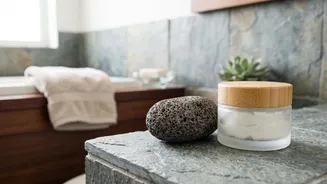
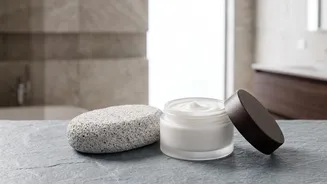
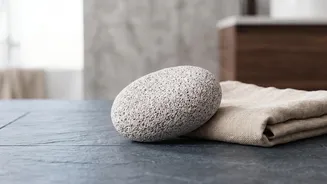
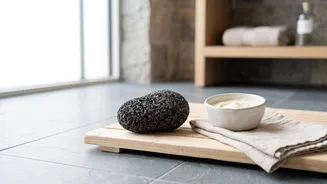
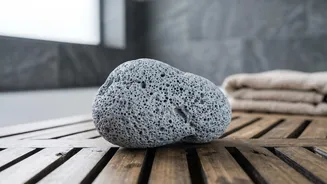
Once your feet are softened, you can choose your tool. The most common and widely recommended options are pumice stones and manual foot files. A pumice stone, a natural lava stone, is excellent for light to moderate dead skin buildup. After soaking your feet, wet the stone and rub it over callused areas in gentle, circular motions. For thicker calluses, a foot file might be more effective, but it requires a very light touch to avoid removing too much skin. There are also exfoliating scrubs, which use small particles to slough off dead cells, and chemical exfoliants containing ingredients like glycolic acid, lactic acid, or urea, which work by dissolving the bonds holding dead skin together.
The Dangers of Over-Exfoliating
Enthusiasm can quickly turn into damage. Over-exfoliating, whether by scrubbing too hard, too often, or for too long, strips away the skin’s protective barrier. This leaves your feet vulnerable to a host of problems. Instead of healing cracks, it can deepen them and even cause bleeding, creating an entry point for bacterial or fungal infections. Signs that you've gone too far include redness, a burning or stinging sensation (especially when applying moisturiser), unusual peeling, and skin that feels tight or raw. Experts generally recommend exfoliating just once or twice a week to maintain smoothness without causing harm.
Aftercare Is Crucial for Lasting Softness
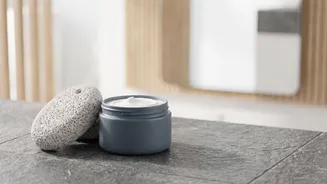
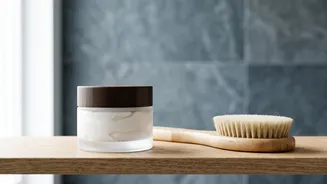
Exfoliation is only half the job. Immediately after you have rinsed and thoroughly patted your feet dry, it is essential to moisturise. Freshly exfoliated skin is primed to absorb moisture, but it can also lose it quickly if left bare. Apply a thick, rich foot cream or balm. Look for hydrating and repairing ingredients like urea, lactic acid, shea butter, or petroleum jelly. Urea is particularly effective as it both moisturises and continues to gently break down hard skin. For an intensive overnight treatment, apply a generous layer of cream and wear a pair of clean cotton socks to bed to lock in the moisture.