






The Myth of Hot or Cold Baths
One of the most persistent pieces of advice is to take either a very hot or a very cold bath. The logic seems simple: fight fire with fire, or douse it with ice. However, medical experts strongly advise against both extremes. A hot bath can raise your
body temperature further, increase dehydration through sweating, and make you feel dizzy. On the other hand, a cold bath can be a shock to the system. This shock triggers shivering, which is your body's way of generating heat, and can paradoxically cause your core temperature to rise. Instead of providing relief, both hot and cold baths can make the situation worse.
The Gold Standard: Lukewarm Water
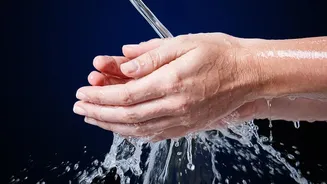
The safest and most effective approach is a lukewarm or tepid bath. Water that is slightly cool to the touch (around 85-95°F or 29-35°C) helps cool the body gradually without causing the stressful shivering response. The goal of a bath during a fever isn't necessarily to 'cure' it, as fever is a natural response to infection. Instead, the primary benefits are comfort and hygiene. A lukewarm bath can help you feel cleaner, soothe aching muscles, and provide significant comfort while your body's immune system does its work.
Sponge Bath vs. Full Submersion
Whether you choose a full bath or a sponge bath often depends on how you're feeling. For those who are extremely weak, dizzy, or for young children, a sponge bath is often the safer option. You can use a soft cloth dipped in lukewarm water to gently wipe the forehead, neck, armpits, and back. This method effectively cools the body by focusing on areas where blood vessels are close to the skin. If you feel strong enough for a full bath, keep it short—around five to ten minutes is sufficient to get the benefits without becoming exhausted.
Best Practices for a Fever Bath
To ensure the bath is both safe and beneficial, a few simple rules apply. First, never leave a child, an elderly person, or a very weak individual unattended in the bath. If at any point the person starts shivering, the water is too cold, and they should be removed from the bath immediately. After the bath, pat the skin dry gently rather than rubbing vigorously. Dress in light, breathable clothing to allow excess body heat to escape. Finally, it's crucial to stay hydrated by drinking plenty of fluids like water before and after.
When to Skip the Bath and Call a Doctor
While a lukewarm bath is generally safe, it's not a substitute for medical care. A bath should be avoided if the person is feeling extremely faint, confused, or unstable on their feet. It's important to monitor the fever and other symptoms. You should seek medical attention if a fever is persistently high (over 103°F or 39.4°C), lasts for more than a few days, or is accompanied by severe symptoms like difficulty breathing, confusion, a stiff neck, or a rash. For infants under three months, any fever of 100.4°F (38°C) or higher warrants an immediate call to a doctor.