




A Victory for Asian Giants
For decades, Nepal has been a model for wildlife conservation. Through a combination of strong government commitment, dedicated anti-poaching patrols, and pioneering community-led conservation programs, the country achieved what many thought was impossible.
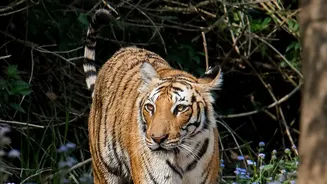
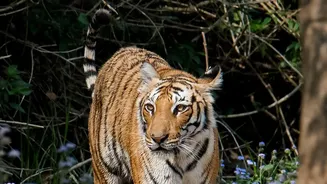
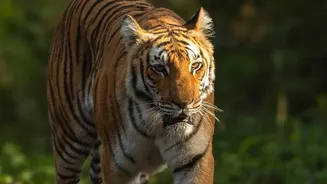
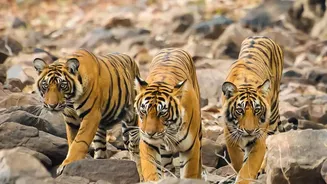
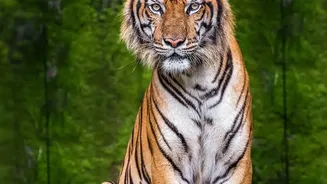
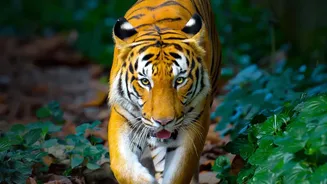
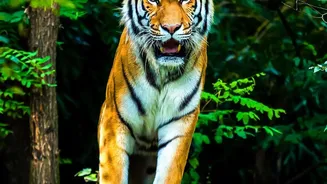
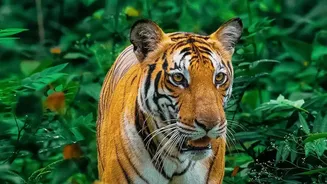
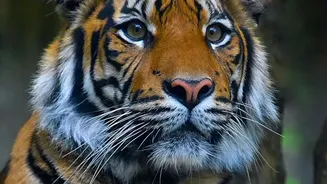
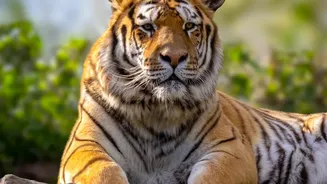
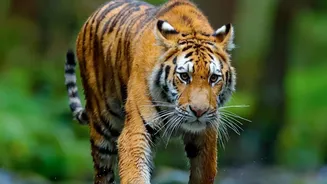
It became the first nation to meet the ambitious 'TX2' goal of doubling its wild tiger population, a target set in 2010. The numbers tell a powerful story of recovery. From an estimated 121 tigers in 2009, the population grew to 355 by 2022 and has since climbed to an estimated 429 as of mid-2026. Similarly, the greater one-horned rhinoceros population has rebounded significantly, increasing from around 100 in the 1990s to over 750 in recent years. This remarkable turnaround is largely credited to the country's unique approach of empowering local communities, who have become frontline stewards of the forests and their inhabitants.
The Rising Cost of Proximity
As wildlife thrives and populations expand, the buffer zones between national parks and human settlements are shrinking. For the millions of people living in these areas, particularly in the Terai Arc Landscape, the success of conservation has a dangerous downside. Human-wildlife conflict is on the rise. Over a recent five-year period, there were 146 human fatalities from wildlife attacks. Incidents involve not only tigers but also elephants, rhinos, and leopards. Beyond the tragic loss of life, communities face significant economic hardship from livestock being killed and crops being raided, which can destroy a family's livelihood overnight. Recent data shows that damage to crops and livestock from wildlife has surged annually. This growing conflict puts a strain on the very communities whose support is essential for conservation and raises the risk of retaliatory killings of animals, threatening to undo decades of progress.
Forging a Path to Coexistence
Recognizing that conservation cannot succeed at the expense of its people, Nepal is shifting its focus towards innovative coexistence strategies. The goal is to move beyond simply protecting animals within park boundaries to managing the entire landscape where humans and wildlife share space. Solutions being implemented include the construction of predator-proof livestock corrals, the use of early-warning systems to alert villagers when a predator is near, and the installation of electric fences to protect crops. Organizations are also working with communities to develop alternative livelihoods, like ecotourism and homestays, that create economic benefits from conservation. Another key component is the establishment and protection of wildlife corridors—forested pathways that allow animals like tigers and rhinos to move safely between national parks, reducing population pressure in any single area and promoting genetic diversity.
A Blueprint for a Crowded Planet
The path forward is not simple. It requires sustained financial investment in compensation and relief funds for families who suffer losses. It also demands careful planning of infrastructure projects, such as highways and railways, to include wildlife-friendly underpasses and overpasses that don't sever vital corridors. Furthermore, the feminization of agriculture, where men migrate for work leaving women to manage farms and collect fodder, puts women at an increased risk of encounters with wildlife at forest edges, a social dimension that strategies must address. Despite these hurdles, Nepal’s journey offers a crucial lesson for the world. As human populations grow and natural habitats shrink globally, the challenge is no longer just about saving species in isolation. It is about learning to live with them. Nepal's efforts to balance the needs of its people with the needs of its magnificent wildlife provide a vital, real-world blueprint for the future of conservation.