






Why Organisation Is a Recipe for Speed
A well-organised kitchen does more than just look good; it functions as a strategic tool for efficiency. When every ingredient and tool has a designated home, you eliminate the time wasted searching through cluttered shelves and drawers. This streamlined
process means you can find what you need in seconds, turning meal prep from a frantic search into a smooth, enjoyable activity. It's not about achieving Instagram-worthy perfection, but about creating a functional, intuitive system that saves you precious time and mental energy after a long day. An organised space also reduces food waste and saves money, as you can easily see what you have and use it before it expires.
Pantry Principles: Zone and See
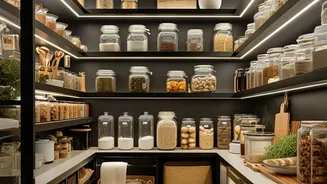
Transform your pantry from a random collection of items into a high-speed resource. The first step is to group like items together. Create specific 'zones' for different categories: one for grains like pasta and rice, another for canned goods, a section for baking supplies, and one for oils and vinegars. This zoning strategy makes it easy to grab everything you need for a particular type of meal. Visibility is key, so transfer items like flour, sugar, and legumes from their bulky packaging into clear, airtight containers. This not only keeps food fresher but allows you to see your inventory at a glance. For canned goods and jars, use shelf risers so nothing gets lost at the back.
Mastering Refrigerator Real Estate
Your refrigerator is command central for fresh ingredients. To optimise it for speed, think about how you use it. Store items you use most frequently at eye level. The door, being the warmest part of the fridge, is best for condiments, not perishable items like milk. Designate specific areas: a drawer for raw meats on the bottom shelf to prevent cross-contamination, and crisper drawers for produce. A great tip is to create a 'prep zone' with washed and chopped vegetables in clear containers, ready to be thrown into a pan. You can also dedicate a bin for everything needed for a specific meal, like all the components for sandwiches or salads.
The 'First In, First Out' (FIFO) Method
Adopted from restaurants and grocery stores, the FIFO method is a simple but powerful tool for reducing waste and ensuring you use what you have. When you buy new groceries, move the older items to the front of the shelf or top of the bin, and place the new items behind them. This applies to both your pantry and your fridge. By rotating your stock this way, you naturally reach for the items that need to be used first. This simple habit prevents finding long-forgotten items past their best-by date and ensures everything in your kitchen stays fresh and ready to use.
Create a 'Use It Now' Zone
To make weeknight cooking even faster, establish an 'eat-me-first' or 'use-it-now' section in your fridge. This is a designated bin or shelf for ingredients that are close to their expiration date or leftovers that need to be eaten. It could also hold items you've specifically bought for the next two nights' dinners. When you open the fridge, you train yourself to look at this spot first, which makes deciding what to cook incredibly simple and drastically cuts down on food waste. This small change acts as a visual to-do list for your meals, removing the guesswork from your daily cooking routine.