





Know Your Unwanted Guests
Before you can effectively tackle an infestation, it helps to know what you're dealing with. In most Indian kitchens, the primary culprits are a small cast of characters. You might encounter the Indian meal moth, which is often first noticed as small moths
fluttering around the kitchen or as their larvae, which leave behind silky webs in food packages. Then there are the beetles and weevils, such as flour beetles, sawtoothed grain beetles, and rice weevils. These tiny, dark insects can be found crawling in flour, cereals, spices, and whole grains. Signs of their presence include not just the insects themselves, but also damaged packaging, fine, sawdust-like droppings, and sometimes a musty or stale odour in your stored goods. Finding any of these signs means it's time to take action.
The Great Pantry Clean-Out
Once you've confirmed a pest problem, a thorough clean-out is the only way forward. Start by emptying your pantry shelves completely. Carefully inspect every single package. Be ruthless: if there is even the slightest sign of infestation—webbing, larvae, adult insects, or tiny holes in the packaging—it must be thrown away. Do not try to salvage part of a contaminated package, as pests can spread quickly and invisibly. Dispose of infested food in a sealed bag in your outdoor dustbin to prevent them from re-entering your home. After discarding compromised items, vacuum your pantry shelves thoroughly, paying close attention to corners, cracks, and crevices where eggs and insects can hide. Finally, wash the shelves with soap and water and allow them to dry completely before restocking. A dry environment is crucial, as humidity can encourage pest survival.
Building a Fortress with Airtight Containers
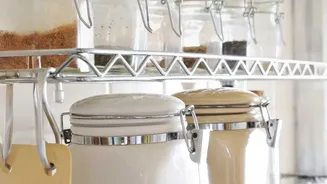
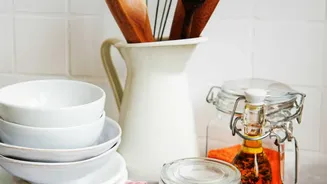
Prevention is where the real battle is won, and your best weapon is the airtight container. The original paper, cardboard, and thin plastic bags that flour, rice, lentils, and spices come in offer little protection against determined pests. Insects can chew through them or find tiny openings to get inside. Transferring your dry goods into high-quality containers as soon as you bring them home is a game-changer. Look for containers made of glass, metal, or thick, heavy-duty plastic with lids that have a silicone or rubber gasket to create a true airtight seal. This not only forms a physical barrier that pests cannot breach but also seals in food odours that might attract them in the first place. Clear containers have the added benefit of allowing you to see the contents at a glance and spot any potential issues early.
Smart Habits and Natural Deterrents
Beyond storage, a few smart habits can make your pantry an unwelcome place for pests. Practice the 'First-In, First-Out' (FIFO) method: place newer items at the back and move older ones to the front to ensure they get used up faster. Pests thrive in old, forgotten packets at the back of a cupboard. When you buy new stock, avoid mixing it with old food; use up or discard the old before refilling the container. For an extra layer of defence, nature offers some simple, non-toxic repellents. Placing a few dried bay leaves inside your containers of flour, rice, and dals can effectively deter weevils and moths. Their strong aroma is unpleasant to insects. Whole cloves, cinnamon sticks, and even dried chillies scattered on shelves can also act as natural deterrents, keeping your culinary treasures safe without the need for chemicals.