

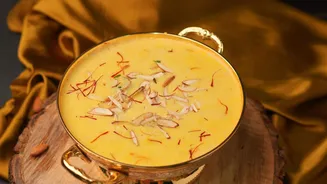
Flavour, Not Pharma
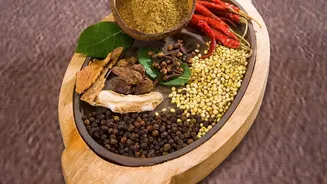
Spices have a rich history intertwined with both culinary and medicinal practices. While many herbs and spices do contain beneficial compounds, the modern obsession with turning every meal into a medical prescription can be distracting. It strips the joy
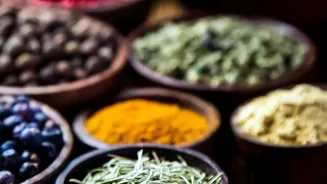
from cooking and overlooks the primary, magical function of a well-stocked spice rack: to create delicious food. A sprinkle of turmeric is not a replacement for medicine, but it can transform a simple dal into something spectacular. Thinking of spices as flavour agents first and foremost allows us to appreciate their power to add depth, aroma, and complexity. It’s about celebrating taste, texture, and the sheer pleasure of a well-seasoned dish, a role that ground sumac exemplifies perfectly.
Meet Sumac: The Unsung Hero
If you’ve ever enjoyed a bright, tangy flavour in Middle Eastern food that wasn't quite lemon, you've likely tasted sumac. Ground from the dried, deep red berries of the Rhus coriaria shrub, sumac is a cornerstone of Levantine, Turkish, and Persian cuisines. Its name comes from the Arabic word for “deep red,” a fitting description for its stunning, ruby-hued powder. But its colour is only part of its charm. The flavour is its true superpower: a tart, fruity, and slightly earthy tang that brightens everything it touches. It delivers a citrus-like punch without being overwhelmingly sour, making it an incredibly versatile and sophisticated ingredient.
The Magic of Dry Acidity
Here is where sumac truly shines and proves the headline's point. Many recipes call for a touch of acidity to balance rich or fatty flavours. The go-to options are often lemon juice or vinegar. However, adding liquid can fundamentally change a dish's texture. It can make a dry rub for kebabs pasty, turn a crisp salad soggy, or prevent roasted vegetables from developing a perfect crust. Sumac provides that essential tartness without a single drop of moisture. It's a dry acid, allowing you to add a bright, lemony kick while maintaining the exact texture you want. Furthermore, its beautiful, purplish-red colour adds visual appeal, dusting dishes with a vibrant finish that liquid acids can't replicate.
Putting Sumac to Work in Your Kitchen
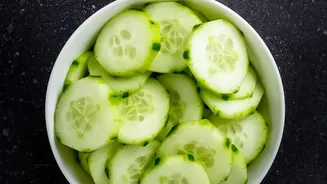
Integrating sumac into your cooking is remarkably easy. Think of it as a finishing spice, something to sprinkle on just before serving to add a final pop of flavour and colour. It’s fantastic on hummus, yogurt-based dips like raita, and salads of all kinds, especially those with cucumber and tomato. Try dusting it over grilled chicken, lamb, or fish to cut through the richness. It's a game-changer on roasted vegetables, fried eggs, and even popcorn. Sumac is also a key ingredient in the famous Middle Eastern spice blend za'atar, which combines it with thyme, sesame seeds, and salt. It’s an easy way to bring an authentic and exciting new dimension to dishes you already love.