






The Morning Dilemma: Empty Stomach or Not?
One of the biggest debates is whether you should eat a banana first thing on an empty stomach. The concern revolves around its natural sugar content (about 15 grams in a medium banana), which some fear could cause a rapid blood sugar spike followed by
a crash, leaving you tired. While bananas do provide a quick source of energy, their fibre content helps slow down sugar absorption. Experts suggest that if you're concerned about a sugar rush, simply pair your morning banana with a source of protein or healthy fat, like a handful of nuts, a spoonful of peanut butter, or a bowl of yoghurt. This combination creates a more balanced breakfast, keeping you full and energised without the potential crash.
The Ultimate Workout Fuel
When it comes to exercise, bananas are a near-perfect snack, whether you eat one before or after your session. Eaten 30-60 minutes before a workout, their easily digestible carbohydrates provide a quick and sustained source of energy to power you through. They are rich in potassium, an essential electrolyte that helps prevent muscle cramps and supports muscle function. After a workout, a banana continues to shine. It helps replenish the muscle glycogen (energy stores) you just used up. The combination of carbs and beneficial compounds like dopamine and polyphenols in bananas may also help reduce exercise-induced inflammation, promoting a quicker recovery.
The Evening Debate: Sleep Aid or Sleep Disruptor?
The idea that you shouldn't eat bananas at night is a persistent myth, but science largely disagrees. In fact, bananas contain several nutrients that may promote better sleep. They are a good source of magnesium and potassium, both of which act as natural muscle relaxants. Bananas also contain tryptophan, an amino acid that the body converts into serotonin and then into melatonin, the hormone that regulates our sleep-wake cycle. As long as you're not eating one right before lying down, which can cause digestive discomfort for some, an evening banana can be a healthy and soothing bedtime snack. For most people, a banana an hour or so before bed is perfectly fine.
What About the Ayurvedic Perspective?
In Ayurveda, India's traditional system of medicine, food recommendations are often based on individual body types, or 'doshas'. From this perspective, bananas are considered heavy and cooling. Ayurvedic practitioners sometimes advise against eating them late at night, especially for those prone to colds or coughs ('kapha' types), as it's believed to produce toxins or aggravate mucus. However, even within Ayurveda, it is acknowledged that for many, a banana in the evening is not harmful if eaten in moderation and a few hours before sleep. This traditional viewpoint highlights that individual digestion and constitution can play a role in how a food affects you.
So, What's the Real Rule?
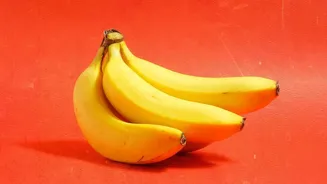
The simple truth is there is no single, universal rule for when to eat a banana. The 'best' time depends entirely on your personal health goals, lifestyle, and how your own body responds. A medium banana is a nutritional powerhouse, offering around 105 calories, 3 grams of fibre, and a significant portion of your daily potassium and Vitamin B6 needs. Whether you need a quick energy boost to start your day, fuel for a workout, or a relaxing evening snack, a banana can fit the bill. The key is balance and listening to your body. Instead of getting caught up in rigid timing rules, focus on incorporating this versatile fruit into a well-rounded diet whenever it feels right for you.