




The Tradition of Winter Ladoos
In many Indian households, the arrival of winter signals the time for special, nutrient-dense sweets known as 'sardi ke laddu'. These are far more than just a treat; they are a cornerstone of seasonal eating, rooted in Ayurvedic principles of consuming
foods that generate internal heat, or 'garam taseer'. Traditional recipes combine whole wheat flour, ghee, nuts, seeds, and natural sweeteners like jaggery to create energy-rich balls that sustain the body through colder, darker days. The wisdom passed down through generations understood that the body's metabolism changes in winter, requiring more fuel to stay warm and active. These ladoos were designed to meet that need, providing steady energy, boosting immunity, and offering a sense of deep comfort.
Sesame Seeds (Til): The Winter Powerhouse
Sesame seeds, or 'til', are synonymous with Indian winters, and for good reason. Ayurveda classifies sesame as 'ushna' or warming, making it a perfect ingredient to counteract the cold, dry qualities of the season. Rich in healthy fats, calcium, and iron, these tiny seeds are nutritional powerhouses that support bone health and provide sustained energy. The tradition of eating til ladoos, often made with jaggery, peaks around festivals like Makar Sankranti, which marks a seasonal shift. This practice is deeply tied to balancing the body against increased cold and dryness. Beyond just warmth, sesame aids digestion and helps prevent the stiffness that can accompany chilly weather, making it a crucial component of winter wellness.
Gond (Edible Gum): For Strength and Warmth
Gond, or edible gum, is a unique ingredient revered for its warming and strengthening properties. Harvested from the sap of the Acacia tree, this natural resin appears as pale, translucent crystals. When fried in ghee, these crystals puff up into a delightful, crunchy texture that is central to the famous 'gond ke ladoo'. Traditionally, gond is valued for its ability to generate body heat, making it an essential winter food. It is also celebrated for its role in promoting joint health, lubricating joints, and strengthening bones, which is particularly beneficial when cold weather brings stiffness. Rich in calcium and protein, gond ladoos are often given to new mothers for postpartum recovery, as well as to children and elders to boost stamina and immunity.
Nuts and Ghee: The Foundation of Nourishment
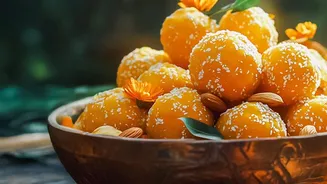
No winter ladoo is complete without a generous helping of nuts and ghee. Almonds, walnuts, pistachios, and cashews are not just for flavour and crunch; they are dense sources of healthy fats, protein, and essential minerals that provide steady, slow-release energy. This helps combat the fatigue that can set in during winter and keeps you feeling full longer. Ghee, or clarified butter, acts as the binding agent that brings all the ingredients together. In Ayurveda, ghee itself is considered a warming and healing food that aids digestion, lubricates joints, and helps the body absorb the nutrients from the other ingredients more effectively. This combination of nuts and ghee forms the nourishing base that makes winter ladoos so effective at providing both comfort and strength.