







Understanding the Link Between Citrus and Reflux
Gastroesophageal reflux disease, or GERD, is a condition where stomach acid frequently flows back into the esophagus, the tube connecting your throat and stomach. This backwash, known as acid reflux, can irritate the lining of your esophagus, causing
that familiar burning sensation called heartburn. Citrus fruits like oranges, lemons, grapefruits, and limes are famously high in acid, primarily citric acid. For people with a sensitive esophagus or a weakened lower esophageal sphincter (LES)—the muscular valve that keeps stomach contents in the stomach—this high acid content can be a direct trigger for discomfort. The acid in the fruit can directly irritate the esophagus or cause the stomach to produce more acid, worsening the problem.
Why Timing Is a Game-Changer
While it's easy to label citrus as a “bad” food for reflux, the reality is more nuanced. When you consume these fruits can be just as important as the fact that you're eating them. The two most problematic times for anyone prone to reflux are when the stomach is empty and right before lying down. Eating acidic food on an empty stomach means there's no other food to act as a buffer, leading to a more concentrated acidic environment that can cause irritation. Similarly, eating citrus late at night or as a bedtime snack is a common trigger. When you lie down, gravity is no longer on your side to help keep stomach contents down, making it much easier for acid to travel up into the esophagus.
The Best Times to Enjoy Citrus
To enjoy citrus with less risk, timing and pairing are your best strategies. Try to consume citrus fruits earlier in the day and always as part of a larger meal or snack. Pairing an orange with a bowl of oatmeal, for instance, can be a smart move. The fiber in the oats can help absorb some of the stomach acid. Including citrus in a meal with lean proteins or healthy fats can also help buffer its acidity. A splash of lemon juice on a grilled chicken salad is less likely to cause issues than drinking lemon water on an empty stomach. The key is to avoid isolating the acidic food and instead incorporate it into a balanced meal that promotes slower, healthier digestion.
And the Worst Times to Have That Snack
The absolute worst times to consume citrus if you have GERD are late in the evening or as a midnight snack. Experts recommend avoiding all food for at least two to three hours before going to bed. This gives your stomach ample time to digest and empty, reducing the amount of acid available to reflux when you lie down. Also, be wary of that morning glass of orange or lemon juice on an otherwise empty stomach. For some, this can be an instant recipe for heartburn. If you find you are sensitive, it's better to have your juice with a fiber-rich breakfast.
Not All Citrus Is Created Equal
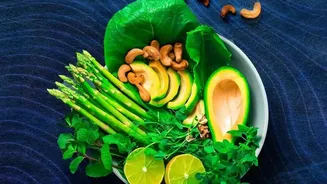
It's also worth noting that acidity levels can vary among different types of citrus fruits. Lemons and limes are generally considered more acidic than oranges. Some people with reflux might find they can tolerate a less-acidic orange but not a tart grapefruit. Beyond citrus, other fruits can also be highly acidic, such as pineapple and some tomatoes. On the other hand, fruits like bananas, melons, and avocados are very low in acid and are often recommended as safe options for those with GERD. If you love fruit but struggle with citrus, exploring these lower-acid alternatives can provide flavor and nutrition without the burn.
Listen to Your Body
Ultimately, food triggers for acid reflux are highly individual. While one person may get severe heartburn from a single orange slice, another might be able to drink a small glass of juice with a meal without any issue. The best way to determine your own tolerance is to pay close attention to your body's signals. Keeping a food and symptom diary for a couple of weeks can be incredibly insightful. By tracking what you eat, when you eat it, and how you feel afterward, you can identify your specific triggers and find a dietary pattern that works for you.