




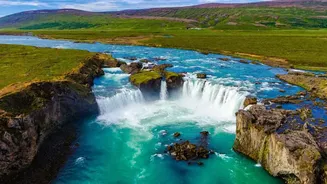
Seljalandsfoss: The Walk-Behind Wonder
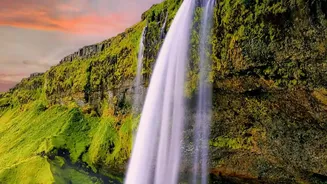
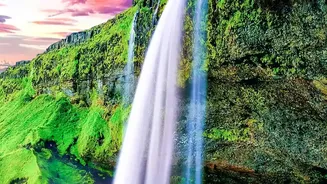
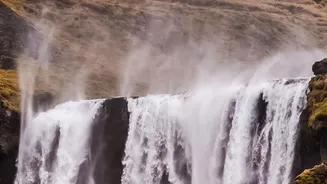
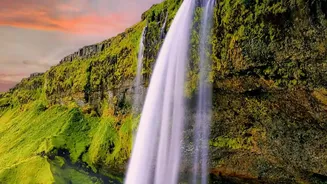
A true icon of the South Coast, Seljalandsfoss offers a perspective few waterfalls in the world can match. Plummeting 60 meters over cliffs that were once the island's coastline, its main attraction is the path that leads visitors directly behind the cascading
water. This fresh look isn’t just a view; it’s a full sensory experience. You’ll feel the spray on your face and hear the thunderous roar from within a misty cavern. For an even fresher take, visit the nearby Gljúfrabúi waterfall, a hidden gem tucked away inside a narrow canyon, just a short walk away. The path behind Seljalandsfoss is typically open from spring to autumn but closes in winter when ice makes it unsafe.
Skógafoss: The Rainbow Chaser's Prize
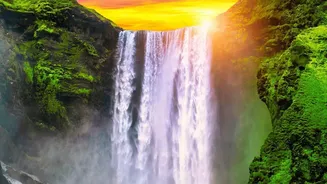
With its perfect, powerful curtain of water dropping 60 meters and spanning 25 meters wide, Skógafoss is breathtakingly beautiful. What gives this popular spot a fresh look is the interplay of sun and mist. On sunny days, the heavy spray frequently creates vivid single or even double rainbows, making it a dream for photographers and treasure hunters alike. According to legend, a Viking settler buried a chest of gold in a cave behind the falls. For a different angle, climb the 500-plus steps to the observation deck at the top. This elevated viewpoint offers a stunning panorama of the water plunging into the river below and the coastline beyond.
Dettifoss: Europe's Most Powerful Force
If you're seeking raw, untamed power, look no further than Dettifoss in Northeast Iceland. Considered the most powerful waterfall in Europe by volume, it sends glacial meltwater from the Vatnajökull glacier crashing into the Jökulsárgljúfur canyon with a force you can feel through the soles of your shoes. Its water is a sediment-rich grey-brown, giving it a primordial, almost otherworldly appearance that landed it a starring role in the film Prometheus. The fresh perspective here is one of scale and awe. The roar is deafening and the mist is visible from the car park. Accessible from both an easier, paved road on the west bank and a more rugged gravel road on the east, Dettifoss offers a humbling reminder of nature's sheer force.
Kirkjufellsfoss: The Photographer's Muse
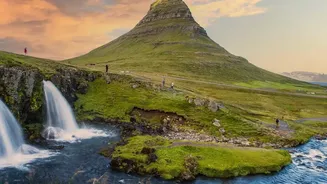
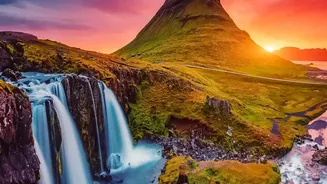
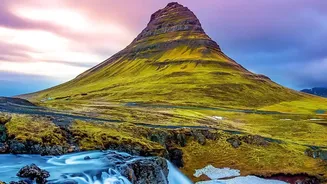
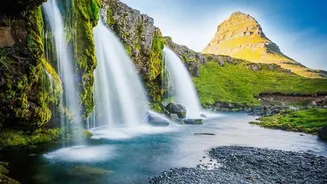
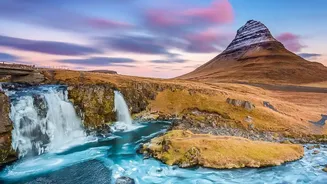
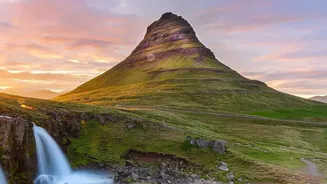
While not the largest or most powerful, Kirkjufellsfoss might be the most photogenic waterfall in Iceland, thanks to its iconic backdrop: the uniquely shaped Kirkjufell mountain. Located on the Snæfellsnes Peninsula, this scene has become a symbol of Iceland's beauty. The fresh look here is all about composition. Photographers flock here to capture the classic shot of the gentle, multi-tiered falls in the foreground with the “Church Mountain” behind, especially during sunset or under the Northern Lights. The area has well-maintained paths, but finding a unique angle by exploring different viewpoints or looking for reflections in small puddles can lead to a truly personal and fresh take on this famous view.
Hraunfossar: The Lava Falls
For a truly unique and serene waterfall experience, Hraunfossar in West Iceland is unparalleled. Its name translates to "Lava Falls," and it's not one single cascade but a series of countless streams that seem to magically appear from beneath the edge of an ancient lava field. The crystal-clear water, which has filtered through the porous volcanic rock, flows gently over a wide expanse before joining the turquoise Hvítá River. The fresh look is its delicate, lace-like appearance, a stark and beautiful contrast to the rugged, dark lava. It’s a quiet, sprawling spectacle that showcases the intricate ways water and volcanic geology interact in Iceland. A short walk away is Barnafoss, a more turbulent waterfall that rushes powerfully through a narrow gorge.
Gullfoss: The Golden Giant
A cornerstone of the famous Golden Circle route, Gullfoss, or the "Golden Falls," is a magnificent two-tiered cascade that plunges into a deep canyon. Its power is immense, especially in summer when glacial melt is at its peak. The fresh look at Gullfoss comes from exploring its multiple viewpoints. An upper platform provides a panoramic view of the entire scene, often decorated with a rainbow on sunny days. A lower path, open when conditions are safe, takes you closer to the canyon's edge where you can feel the intense spray and thundering sound. This dual-level experience allows you to appreciate both the waterfall's grand scale and its raw, close-up power, making it an unmissable stop.