



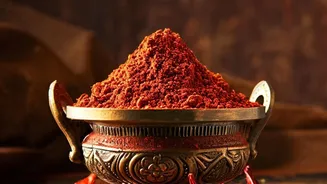
The Magic Dust of South India
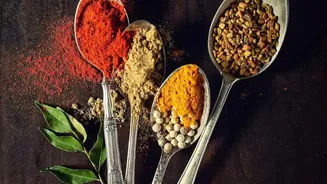
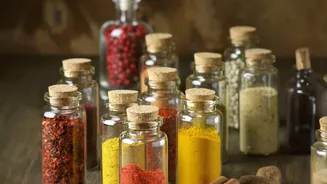
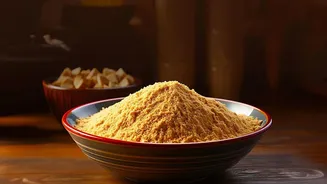
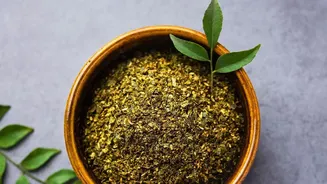
First, let’s talk about the star of the show: podi. Known affectionately as ‘gunpowder’ for its explosive flavour, ‘milagai podi’ (chilli powder) is a staple condiment on every South Indian table. It’s a coarse, aromatic powder made from a blend of roasted
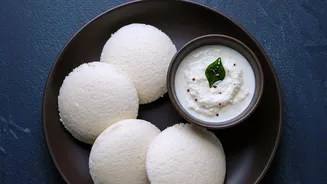
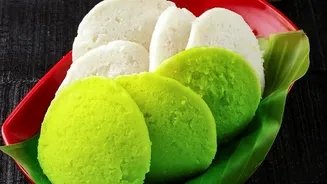
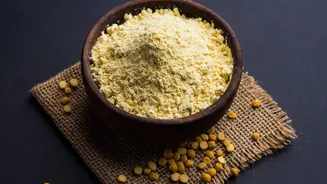
lentils like urad dal and chana dal, fiery dried red chillies, asafoetida, and salt. Each family has its own treasured recipe, sometimes adding sesame seeds, garlic, or curry leaves for a unique twist. This versatile powder is the ultimate quick-fix, ready to transform a simple plate of idlis or a crispy dosa into a memorable meal, especially when you’re short on time to make fresh chutney or sambar. But on its own, it's just a dry, spicy dust. To unlock its true potential, it needs a partner.
Oil’s First Job: The Perfect Carrier
The most obvious role of the oil is purely mechanical. Imagine sprinkling dry podi onto a fluffy, steaming idli. Much of that precious powder would simply fall off. By mixing the podi with oil, you transform it from a loose powder into a thick, rustic paste. This new consistency allows the podi to cling beautifully to the porous surface of an idli or the crisp texture of a dosa. The oil acts as the perfect delivery vehicle, ensuring that every bite is loaded with the nutty, spicy flavour of the podi. It’s a simple but crucial function that turns a potentially messy experience into a seamless and satisfying one.
Taming the Fire: How Oil Cools the Burn
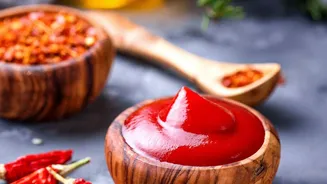
Here’s where the magic really happens. The headline claim that oil “softens the heat” isn’t just a poetic description; it's a scientific fact. The burning sensation from chillies comes from a compound called capsaicin. Capsaicin is lipophilic, which is a fancy way of saying it is fat-soluble, not water-soluble. When you eat spicy podi, the capsaicin molecules bind to pain receptors on your tongue, sending heat signals to your brain. Trying to cool your mouth with water is a common mistake; since water and oil don't mix, water just spreads the capsaicin around, making the fire worse. Fat, on the other hand, is capsaicin’s kryptonite. The sesame oil dissolves the capsaicin molecules, effectively washing them away from your tongue's receptors and providing immediate relief. This mellows the sharp, aggressive heat of the chillies into a warm, pleasant glow, allowing the other complex flavours of the lentils and spices to shine through.
Why Gingelly Oil is the Gold Standard
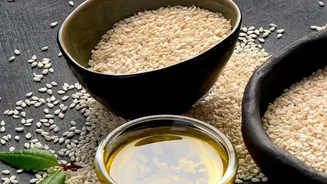
While any fat could theoretically temper the heat, the traditional choice is always gingelly oil, or ‘nalla ennai’ in Tamil, which translates to ‘good oil’. This specific type of sesame oil, made from raw, unroasted seeds, is prized in South India for its distinctive, nutty flavour and aroma. Its earthy notes are the perfect complement to the roasted, spicy flavours of milagai podi. Using another oil, like refined sunflower oil or even olive oil, would technically work as a binder, but it would completely alter the authentic taste profile. Gingelly oil doesn’t just carry the podi; it enhances it, adding its own signature flavour and contributing to the cooling properties attributed to it in traditional food wisdom.