


The Golden Rule of Halwa
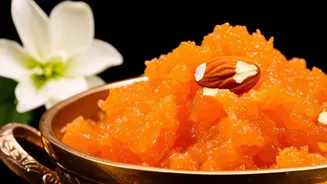
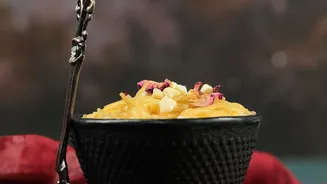
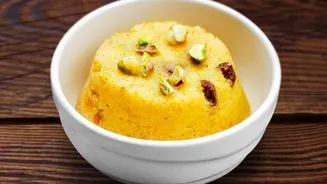
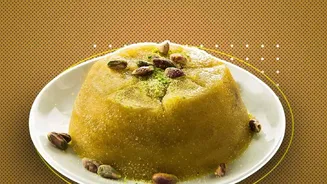
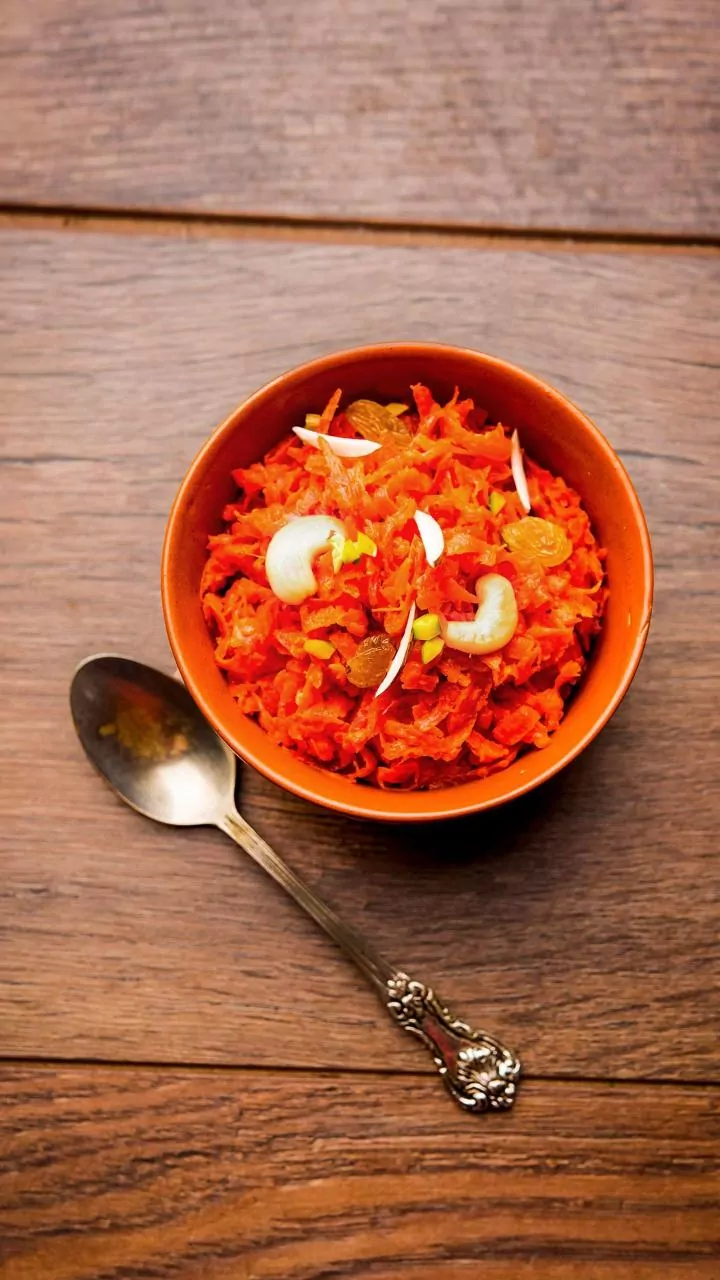
Aloo Halwa, a decadent North Indian dessert made from potatoes, ghee, and sugar, is deceptively simple. With just a few core ingredients, it transforms into a rich, aromatic treat often enjoyed during fasting periods like Navratri. The desired texture
is everything—it should be smooth, almost molten, and completely free of lumps. Achieving this glorious consistency hinges on one crucial action that separates a good halwa from a great one: you must stir it constantly. While it sounds like a chore, this single step is where the magic truly happens, turning humble mashed potatoes into a luxurious dessert. Many recipes stress this point, noting that the pan should not be left unattended.
The Science Behind the Stir
To understand why stirring is so vital, we have to look at the potato itself. Potatoes are packed with starch. When these starch granules are heated in the presence of a liquid (in this case, the moisture from the potatoes and the ghee), they undergo a process called gelatinization. They swell and burst, releasing long starch molecules that thicken the mixture. Constant stirring does two things. First, it ensures even heat distribution, so all the starch granules cook at the same rate. This prevents clumps from forming, which are essentially pockets of uncooked or unevenly cooked starch. Second, the continuous motion helps break down the cooked potatoes uniformly, creating a homogenous, smooth paste rather than a lumpy mash. This is the foundation of that sought-after velvety texture.
What Happens When You Don't Stir
Neglecting your post at the stove is the fastest way to ruin your halwa. Without constant agitation, the mixture will stick to the bottom of the pan and scorch. This not only creates a cleaning nightmare but also imparts a burnt, bitter flavour that will permeate the entire dish. Furthermore, the heat will be concentrated at the bottom, causing that part to overcook while the top remains undercooked. This uneven cooking leads directly to a lumpy, inconsistent texture. The potato, rich in carbohydrates, has a natural tendency to stick and burn when cooked down, which is why a heavy-bottomed pan and continuous scraping are non-negotiable.
How to Stir Like a Pro
The right technique makes all the difference. Start by heating ghee in a heavy-bottomed pan over low to medium heat. Add your boiled and finely mashed or grated potatoes, ensuring there are no lumps to begin with. Begin sautéing, and this is where the stirring starts. Use a flat-edged spatula to scrape the bottom and sides of the pan continuously. For the first several minutes, you'll cook the potato until it changes colour slightly and releases a pleasant aroma. Then, after adding sugar, the mixture will liquefy before it starts to thicken again. Keep stirring. The key indicator you're on the right track is when the halwa starts to pull away from the sides of the pan and the ghee begins to separate out from the mass. This process can take anywhere from 15 to 20 minutes of active cooking and stirring.
Beyond Stirring: Other Keys to Success
While stirring is paramount, a few other details will elevate your Aloo Halwa. First, choose the right potatoes. Starchy potatoes work best as they break down more easily. Secondly, be generous with your ghee. The ghee not only provides a rich flavour and aroma but also helps in the 'roasting' phase of the potato, preventing it from becoming sticky and contributing to the final glossy finish. Initially, the potato will absorb all the ghee, but as you continue to cook and stir, it will release it back out—a sign that the halwa is perfectly cooked. Finally, add your sugar only after the potatoes have been well-roasted in ghee. Adding it too early can interfere with the cooking process.