






The Quest for Fluffy Lemon Rice
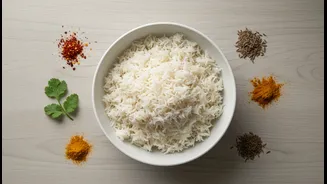
Lemon rice is a beloved dish across India, celebrated for its vibrant colour, tangy flavour, and comforting nature. The ideal version features long, separate grains of Basmati rice, each one perfectly coated in a glistening, lemon-infused dressing. However,
the reality in many home kitchens is often a little different. Instead of fluffy, distinct grains, we can end up with a sticky, clumpy, or even mushy texture that falls short of our culinary dreams. It's a common frustration: you follow the recipe, but the final dish lacks that restaurant-quality finish. The good news is that the solution is surprisingly simple and has everything to do with temperature.
The Golden Rule: Cool It Down First
The single most important step to prevent sticky lemon rice is to let your cooked Basmati rice cool down completely before you even think about adding the lemon juice. This might seem counterintuitive, as we're often taught to mix things while they're hot to combine flavours. But in this case, patience is your greatest ally. After cooking your Basmati, spread it out on a wide plate or tray. This increases the surface area and allows the steam to escape quickly, helping the grains to cool and firm up. Rushing this step is where many people go wrong. The rice should be at room temperature, or even chilled, before you proceed with mixing in your lemon juice and other flavourings.
The Science of Starch and Temperature
So, why does this work? The answer lies in the science of starch. Basmati rice is rich in a type of starch called amylose, which is what gives it its characteristic long, separate grains when cooked. When rice is cooked, the starch granules absorb water and swell in a process called gelatinization. While hot, these gelatinized starches are soft, sticky, and fragile. As the cooked rice cools, a process called starch retrogradation begins. The amylose molecules rearrange themselves and recrystallize, making the grains firmer and less sticky. This is why day-old rice is perfect for frying—the grains are firm and separate beautifully. By allowing your rice to cool, you're giving the starches time to set into a more stable structure.
How Acidity Affects Hot Starch
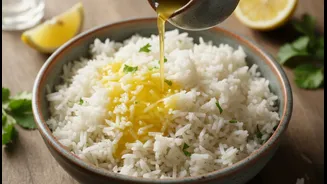
Adding an acid like lemon juice to hot, freshly cooked rice is a recipe for mushiness. The combination of heat and acid can cause the delicate, swollen starch granules to break down further, releasing more sticky starch and causing the grains to clump together. However, when you add that same lemon juice to cooled, retrograded rice, the story is entirely different. The firmed-up starch structure of the cooled grains can withstand the acidity. The rice absorbs the bright, tangy flavour of the lemon without compromising its texture. The grains remain separate and fluffy, giving you the exact result you were hoping for.
Your Step-by-Step Guide to Perfection
Ready to put this into practice? It's simple. First, cook your Basmati rice according to your preferred method. Once cooked, immediately fluff the rice with a fork and spread it evenly on a large plate or baking sheet to cool. Do not leave it clumped in the pot. Allow it to cool to room temperature, which could take up to an hour. For even better results, you can chill it in the refrigerator for a few hours. Once the rice is completely cool and the grains feel firm and dry to the touch, you can proceed with your recipe. Gently fold in the lemon juice, tadka (tempering), peanuts, and herbs. You'll notice immediately how the grains stay separate, never turning into a sticky paste.
Bonus Tips for Flawless Basmati
While cooling is the key for lemon rice, a few other habits can improve your rice-making game overall. Always rinse your Basmati rice in cold water until the water runs clear. This removes excess surface starch that contributes to stickiness. Soaking the rice for about 20-30 minutes after rinsing can also lead to longer, more evenly cooked grains. Finally, use the correct water-to-rice ratio and resist the urge to stir the rice while it's cooking, as this can break the grains and release starch, making them gluey.