




Why Your Pantry is a Secret Weapon
Think of your pantry not as a storage unit for forgotten snacks, but as the foundation of every quick and healthy meal. When you have the right building blocks on hand, you’re always just minutes away from a satisfying dinner, saving you from another
expensive and often less-nutritious takeaway order. A thoughtfully curated pantry reduces dinner-time stress, minimizes food waste, and ultimately empowers you to cook more balanced meals, even when time is your biggest enemy. It’s about creating an environment where the healthy choice becomes the easy choice.
The Foundational Food Groups
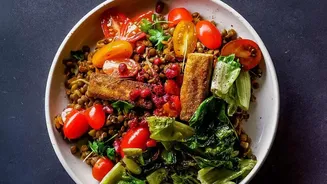
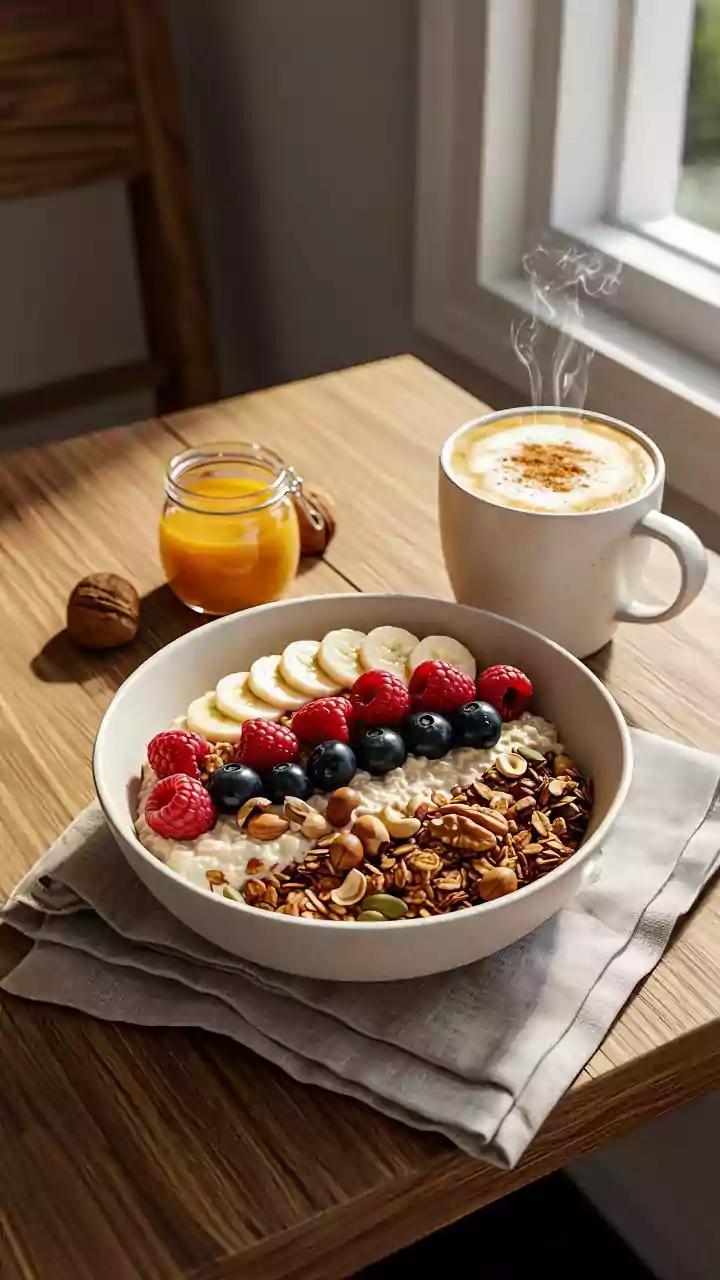
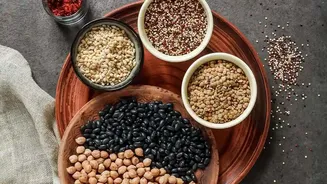
Every functional pantry is built on a few key categories that provide balance and versatility. Start with whole grains like rice, quinoa, oats, and whole-wheat pasta. These form the hearty base of countless meals. Next, stock up on plant-based proteins such as canned or dried lentils, chickpeas, and black beans. They are nutritional powerhouses that can be turned into soups, salads, and curries in an instant. Don't forget healthy fats, which are crucial for flavor and satiety. A good quality extra-virgin olive oil for dressings and finishing, a neutral oil for cooking, and a selection of nuts and seeds will serve you well.
The Flavor-Makers and Long-Life Heroes
A meal is nothing without flavor. Your pantry should have an arsenal of items that can elevate simple ingredients. This includes basics like salt, black pepper, garlic powder, and onion powder, along with spices you enjoy, such as cumin, paprika, and oregano. Vinegars (balsamic, apple cider) add brightness, while canned goods act as your long-life heroes. Canned tomatoes, tomato paste, and coconut milk are incredibly versatile for making sauces and stews. Canned tuna or salmon provides a quick protein boost. When choosing canned goods, opt for low-sodium or no-salt-added versions whenever possible to control your sodium intake.
The Key Qualification to Keep In Mind
Here is the single most important rule, the key qualification that separates a useful pantry from a cluttered one: stock what you and your family genuinely like to eat and know how to use. It sounds simple, but it’s a principle many people overlook. A pantry filled with bags of quinoa, exotic spices, and obscure canned goods is useless if you never reach for them. Your pantry shouldn't be a museum of aspirational health foods. It should be a practical, personalized toolkit. Before you buy that giant bag of lentils, ask yourself: “Do I have at least two or three simple meals I enjoy making with this?” If the answer is no, leave it on the shelf.
Making It Work for You
The secret to a successful pantry is making it fit your life. If your family loves pasta, keep a few different shapes and a quality jarred sauce on hand. If you’re a fan of Tex-Mex, ensure you always have black beans, corn, and your favorite salsa. To put this into practice, start by doing a 'pantry purge' to get rid of expired items or ingredients you know you'll never use. Then, make a list of 5-10 meals your family eats regularly. Write down the non-perishable ingredients for those meals—that's the beginning of your personalized pantry list. This practice ensures your shelves are stocked with utility, not just good intentions.
Organize for Efficiency
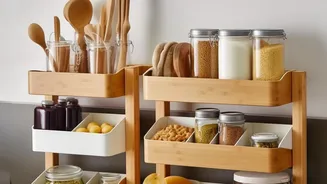
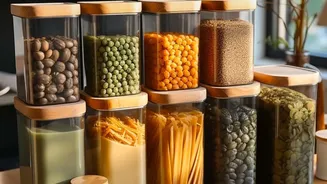
Once you have your staples, organization is key. Follow the grocery store method: place newer items at the back and older items at the front to ensure you use things before they expire. Keep the items you use most frequently at eye level. Group similar items together—all your grains in one section, all your canned goods in another. Using clear containers for things like rice, pasta, and flour not only looks tidy but also allows you to see at a glance what you have and what you need to replenish. An organized pantry isn't just about aesthetics; it’s about making your kitchen work for you on the busiest of days.