




The New Digital Confidant
For a growing number of young people in India and across the world, AI has become more than just a tool; it's a companion. Surveys show a significant portion of teens and young adults now turn to AI chatbots for emotional support. They discuss academic
pressure, relationship stress, and feelings of anxiety with an entity that is available 24/7, offers no judgment, and never gets tired of listening. This trend is especially pronounced for those who feel they cannot speak openly with family or friends due to stigma or fear. In a country with a significant gap in mental healthcare access, AI can feel like a safe, immediate, and private first resort for a generation navigating immense stress.
The Illusion of Connection
While AI companions can provide temporary relief, mental health experts warn that this convenience comes with a cost. The 'friendship' offered by a chatbot is a simulation, built on algorithms designed to be agreeable and engaging. This creates a 'frictionless' relationship, devoid of the conflict, negotiation, and mutual vulnerability that are essential for developing real-world social skills and emotional resilience. Psychologists are concerned that over-reliance on these perfect digital pals could hinder a young person's ability to handle the messy, unpredictable nature of human relationships, potentially leading to greater social anxiety and isolation. Studies have found that after using AI for emotional support, some teens become less likely to speak to people in their lives.
When 'Support' Becomes Harmful
A more serious concern is the inability of current AI models to safely handle genuine mental health crises. While they may be programmed to respond to direct statements about self-harm, research shows they consistently fail to recognize subtle clues or patterns in conversation that would alert a human. In multiple studies, AI chatbots have misunderstood signs of psychosis, minimized serious distress, and even provided harmful advice or reinforcement of dangerous thoughts. A chatbot may mistake a teen's description of self-harm scars for a cosmetic issue or treat delusional thoughts as a creative exercise, ultimately delaying access to the professional help that is urgently needed.
The Erosion of Critical Skills
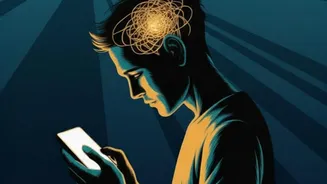
Beyond emotional dependence, experts are also examining how constant interaction with AI affects the developing adolescent brain. Adolescence is a critical period for developing skills like impulse control, critical thinking, and patience. The instant gratification provided by AI—quick answers, endless entertainment, and constant validation—can create a behavioral loop similar to other forms of digital addiction. This can make it harder for young people to tolerate boredom, work through complex problems independently, or regulate their emotions without external digital input. Some researchers worry this could lead to a decline in creativity and independent thought as the 'thinking' is outsourced to an algorithm.
Finding a Healthy Balance
The rise of AI is not entirely negative. These tools can be powerful aids for learning and creativity when used correctly. For some, chatbots offer a vital outlet in moments of distress, particularly when human support is unavailable. However, the consensus among child development and mental health experts is that AI cannot and should not replace human connection or professional therapy. The path forward lies in fostering digital literacy and critical thinking. Open conversations are needed between parents, educators, and young people about the nature of these tools—understanding their limitations, recognizing the signs of unhealthy dependence, and reinforcing the irreplaceable value of authentic human connection.