





The Science of a 'Cascading Disaster'
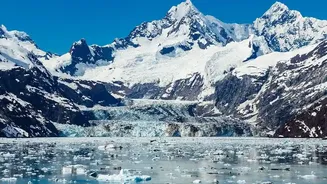
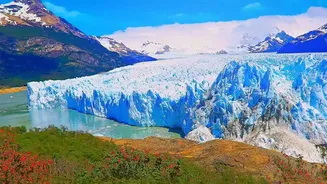
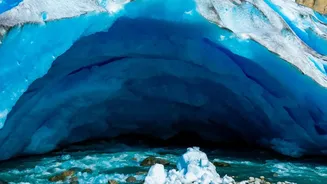
The primary threat comes from a phenomenon known as Glacial Lake Outburst Floods, or GLOFs. As glaciers retreat due to rising global temperatures, they leave behind vast lakes, often dammed by unstable walls of rock and sediment called moraines. When
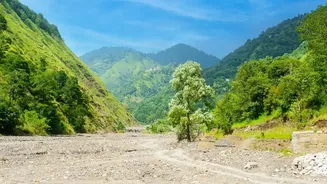
these natural dams fail, or when a massive chunk of ice and rock collapses into a lake, it can release an inland tsunami of water, mud, and debris. This torrent travels at incredible speeds through narrow mountain valleys, gathering more destructive power as it goes. Recent events, such as the catastrophic flood in Nepal's Rasuwa district on August 26, 2026, show how a single glacier collapse high in the mountains can trigger a complex chain of hazards, including landslides and river blockages, resulting in devastation far downstream.
A Nation on the Front Line
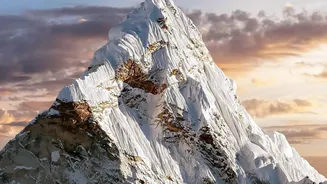
Nepal's geography makes it exceptionally vulnerable. Its steep terrain accelerates these deadly flows, channeling them toward densely populated valleys and critical infrastructure. Homes, bridges, roads, and vital hydropower projects—the backbone of the nation's economy—lie directly in the path of these potential disasters. A 2020 assessment identified 47 potentially dangerous glacial lakes across Nepal and its neighbours, with 21 located within Nepal itself. The human cost is immense. Entire communities live with the constant knowledge that their lives and livelihoods could be swept away with little to no warning. The August 2026 floods, for example, killed over a thousand people, left thousands more missing, and displaced countless families.
The Central Development: A Race Against Time
In response to this escalating threat, Nepal is shifting from a reactive stance to one of proactive risk reduction. This represents the central development in confronting the crisis. A key initiative, supported by international partners like the Green Climate Fund and UNDP, involves physically lowering the water levels in four of the most high-risk glacial lakes: Thulagi, Lower Barun, Lumding Tsho, and Hongu 2. By creating controlled drainage channels, authorities aim to reduce the pressure on their unstable moraine dams. This complex engineering is coupled with the expansion of early warning systems, which use remote sensing and on-the-ground monitoring to track lake stability and alert downstream communities. However, experts caution that many existing systems were designed for monsoon floods, not the rapid onset of a GLOF, highlighting a critical gap that needs to be addressed.
A Global Problem with Local Consequences
While the immediate danger is felt in Nepal, its cause is global. The Himalayas are warming at a rate significantly faster than the global average. Nepal contributes a minuscule fraction of the global emissions driving climate change, yet its people are paying a disproportionate price. This has framed the issue as one of climate justice, with Nepali officials and activists calling for greater global responsibility and financial support for adaptation and loss and damage. The disasters in Nepal serve as a stark warning for the entire Hindu Kush Himalayan region, where retreating glaciers, unstable slopes, and expanding lakes are creating similar risks for millions in India, China, Bhutan, and Pakistan.