


The Tradition of Vrat Cuisine
Fasting, or 'vrat', is a cornerstone of Hindu tradition, observed during festivals like Navratri, Shivratri, or Ekadashi. It's seen as a practice of discipline, purification, and spiritual alignment. The dietary rules for these fasts are specific, creating
a unique culinary sub-category known as 'vrat ka khana'. The core principle is to consume sattvic, or pure, foods that are light and easy to digest. This typically means avoiding grains like wheat and rice, lentils, onions, garlic, and non-vegetarian items. Instead, the diet revolves around a specific list of permitted ingredients: fruits, dairy products, certain vegetables like potatoes and pumpkin, and alternative flours such as buckwheat (kuttu), water chestnut (singhara), and amaranth (rajgira).
Why Fried Food Got a Pass
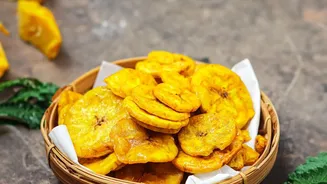
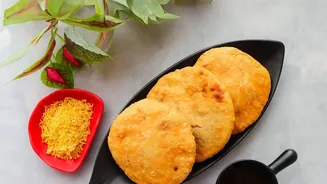
It might seem counterintuitive for a purification diet to include deep-fried foods, but there are practical and historical reasons for their inclusion. The flours allowed during a fast—kuttu, singhara, and rajgira—don't form a pliable dough with water alone and are often combined with boiled potatoes or other binders. Deep-frying was one of the most effective and delicious ways to cook with these flours, resulting in classics like kuttu ki puri and singhare ke pakode. Furthermore, since energy levels can dip during a fast, high-calorie fried foods made with permitted ingredients like potatoes, sabudana (tapioca pearls), and peanuts provided a much-needed energy boost. Cooked in ghee and seasoned with sendha namak (rock salt), these dishes became a comforting and satisfying part of the fasting experience.
The Unspoken Family Rulebook
While there's a general list of allowed foods, the specifics of a vrat diet are often dictated by unwritten family and community traditions. There is no single, uniform rulebook. Some families might allow tea and coffee, while others abstain. Some may have a full meal once a day, while others subsist only on fruits and milk. This is where the headline's observation comes into play. A family might technically permit all foods made from vrat ingredients, but the matriarch or a health-conscious member might limit the number of fried items served. The decision could be based on health concerns, a desire for a truer 'detox,' or simply a family preference for lighter food passed down through generations.
A Modern, Health-Conscious Shift
In recent years, there has been a noticeable shift in how fasting food is prepared and consumed. With growing awareness about health and wellness, many are questioning the logic of loading up on oily foods, even during a fast. Dietitians and health experts often advise against excessive consumption of fried foods during Navratri, as it can lead to weight gain and acidity, defeating the purpose of a detox. This has led to a rise in healthier cooking methods. Families are now exploring baked, air-fried, or steamed versions of traditional vrat favourites. Baked sabudana tikkis, air-fried arbi, and steamed dhoklas made from vrat-friendly flours are becoming increasingly common in modern kitchens. This evolution doesn't reject tradition but adapts it to contemporary lifestyles.
The New Vrat Thali
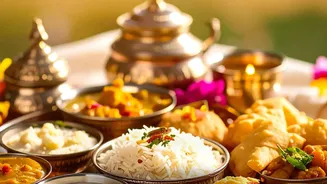
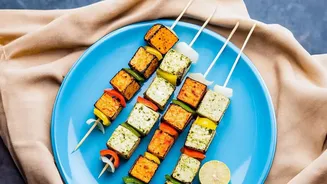
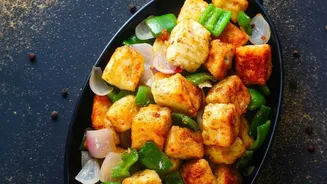
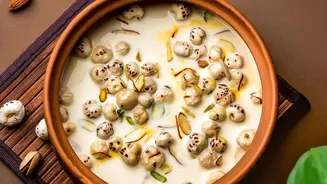
The modern vrat thali is a testament to this blend of tradition and innovation. While the classic aloo ki sabzi and a single puri might still feature, they are often accompanied by a host of lighter, more nutritious options. Expect to see colourful fruit chaats, roasted makhana (fox nuts), protein-rich paneer dishes, and refreshing buttermilk. Pseudo-grains like sama rice (barnyard millet) are used to make light pulaos and khichdis. The focus is shifting from merely avoiding certain foods to actively embracing nourishing ones that keep energy levels stable without being heavy. The spirit of the vrat remains, but its culinary expression is becoming more balanced and mindful.