


What is E20 and Why Is It Here?
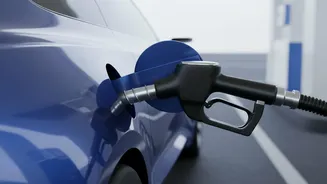
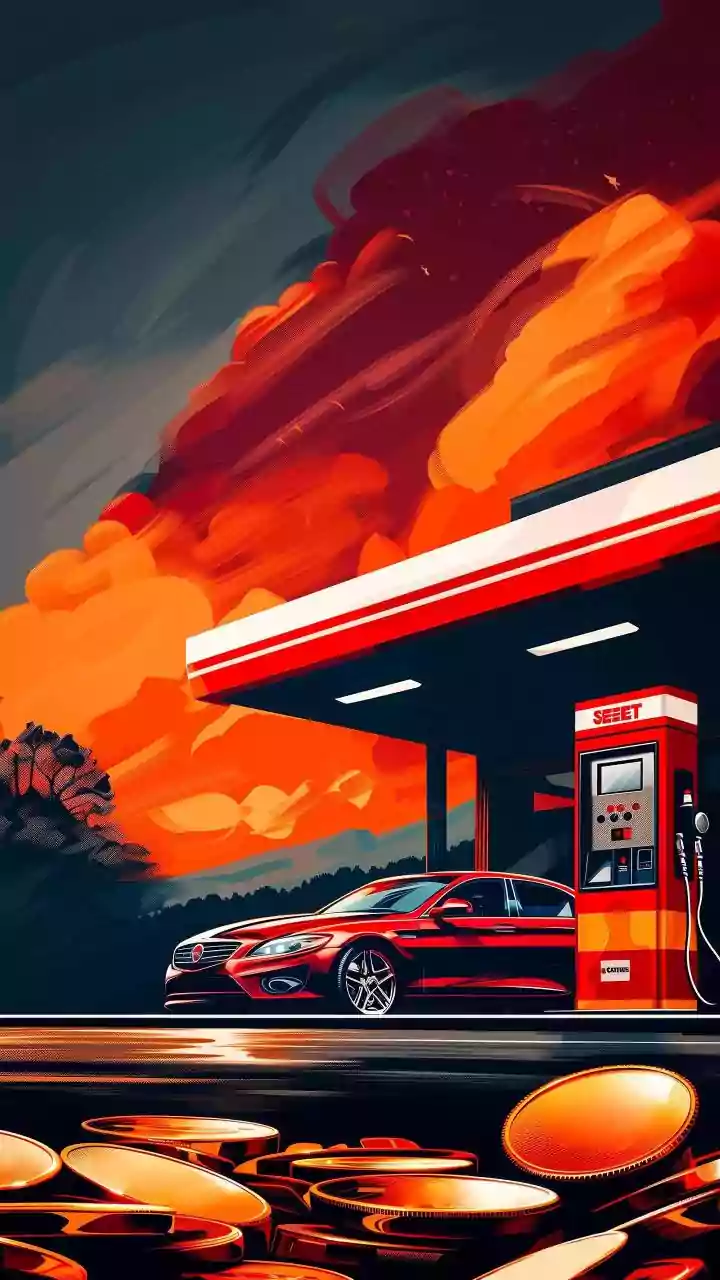
E20 petrol is a blend of 80% petrol and 20% ethanol. India's push for this fuel is driven by several national priorities: reducing the country's expensive oil import bill, lowering carbon emissions, and boosting the income of sugarcane farmers who are
the primary producers of ethanol. The transition has been gradual, increasing from just 1.53% blending in 2013-14 to the nationwide rollout of E20. The government has described the process as "phased, calibrated and evidence-based," involving extensive consultations with scientific bodies and the auto industry at every step.
The Core Concerns for Vehicle Owners
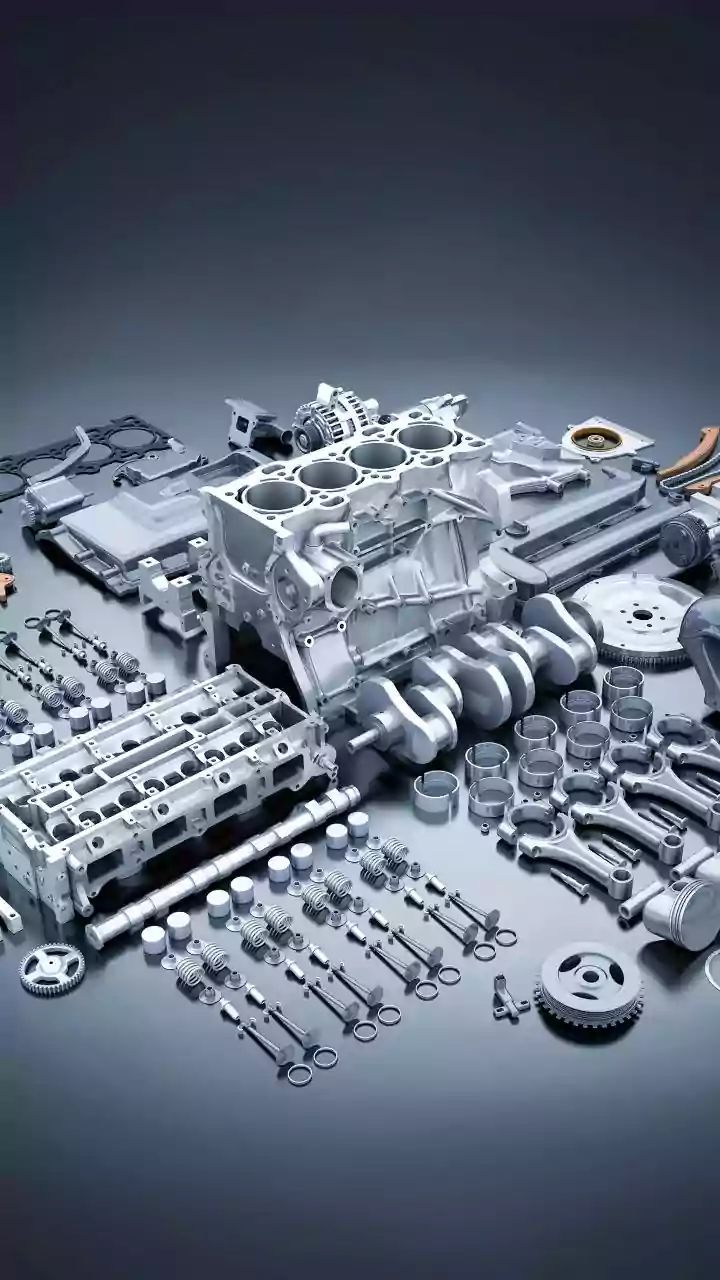
Since the rollout accelerated, social media and public forums have been buzzing with concerns from drivers. The primary fears have centred on potential damage to engine components, corrosion of fuel lines, and deterioration of rubber and plastic parts in vehicles not specifically designed for high ethanol blends. Many drivers have also reported a noticeable drop in fuel efficiency and changes in engine performance, such as rough idling or hesitation. These worries are particularly pronounced among owners of older cars and motorcycles manufactured before 2023, when E20-compliant vehicles became standard.
The Government's Official Stance
In response to a query in the Rajya Sabha, the Minister of State for Petroleum and Natural Gas, Suresh Gopi, stated that there is no verified evidence of widespread engine failure or vehicle breakdowns caused by E20 fuel. This conclusion is based on real-world data from over 23 crore vehicles (20 crore two-wheelers and 3 crore cars) running on ethanol-blended fuels. The government highlighted that extensive studies were conducted by premier institutions like the Automotive Research Association of India (ARAI), the Indian Institute of Petroleum (IIP), and the Society of Indian Automobile Manufacturers (SIAM) before the rollout. These tests covered engine durability, material compatibility, and overall performance, and they confirmed E20 is safe for use.
What About Mileage and Older Cars?
The government did acknowledge one of the common complaints: a potential drop in mileage. For some older vehicles not originally designed for E20, fuel efficiency could decrease by approximately 3-5%. However, it clarified that this does not equate to engine damage. Data from major auto manufacturers appears to support the government's findings on safety. One leading carmaker reported servicing 2.84 crore vehicles in FY 2025-26, including 1.5 crore older, non-E20 certified models, without finding any damage attributable to the fuel. While a non-public ARAI report did note that rubber parts like hoses and seals in older vehicles could degrade over time with E20 use, it found no adverse impact on major metallic components.
Are All Modern Vehicles Safe?
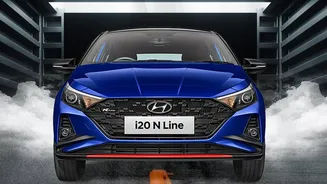
Yes, for the most part. Since April 2023, nearly all major automobile manufacturers in India have been producing vehicles that are fully E20-compliant. Companies like Maruti Suzuki, Hyundai, Tata Motors, Honda, and Mahindra have confirmed their newer models are designed to run smoothly on E20. Many luxury brands like Mercedes-Benz and BMW have also stated their recent models are compatible, with some being ready for even higher ethanol blends like E25. For consumers buying a new vehicle, E20 compatibility is now a standard feature. For those with slightly older cars, many manufacturers have provided guidance. Honda, for example, has stated its cars have been E20 material-compatible since 2009.
So, What Should You Do?
The official verdict is that widespread, catastrophic failures are not occurring. However, if you own a vehicle manufactured before 2023, it's wise to be informed. Check your vehicle's manual or the manufacturer's website for an official statement on E20 compatibility. If your car is not certified for E20, pay closer attention to its performance and have it serviced regularly. While the government has assured that warranties will be honoured, proactive maintenance is the best strategy. For those who want to avoid ethanol blends entirely, some oil marketing companies offer premium, higher-octane fuels that are not blended with ethanol, though they come at a higher cost.