



The Sweet Transformation
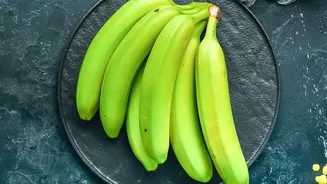
The most dramatic change during ripening is the conversion of starch to sugar. A green, unripe banana is about 80% starch and only around 1% sugar by dry weight, which is why it tastes bland and feels firm. As the banana ripens, a natural plant hormone
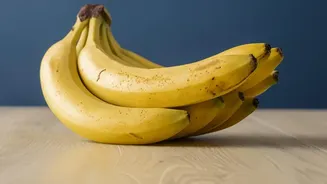
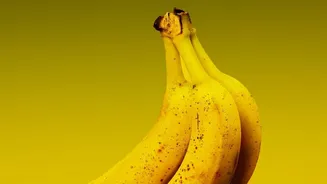
called ethylene triggers enzymes like amylase to break down these complex starches into simple sugars like sucrose, fructose, and glucose. By the time the banana is yellow with brown spots, nearly all the starch has converted to sugar, which can make up over 17-20% of the fruit's fresh weight, resulting in the sweet taste and soft texture we associate with a ready-to-eat banana.
A Symphony of Flavour
But sweetness is only part of the flavour story. The characteristic 'banana' aroma comes from a complex blend of volatile compounds, particularly esters like isoamyl acetate. The production of these aromatic compounds is a delicate, time-dependent process that also kicks into high gear during ripening. Think of it as a chemical symphony: ethylene signals the start, and then various enzymes get to work, not just on sweetness but also on creating the full, nuanced flavour profile. This process includes the reduction of astringent-tasting tannins and a change in organic acids, which further balances the taste.
The Nutritional Shift
From a nutritional standpoint, the changes are less dramatic than they seem. The total calorie count remains essentially the same throughout ripening because both starch and sugar are carbohydrates. What does change is the type of carbohydrate. The resistant starch in green bananas, which is beneficial for gut health, is replaced by easily digestible sugars in ripe bananas. This means the glycemic index (GI) of the banana increases as it ripens, causing a quicker rise in blood sugar. While some water-soluble vitamins like Vitamin C may decrease slightly as the banana ages, its mineral content, including its famously high potassium, remains stable. Antioxidant levels have been shown to increase as the banana ripens and develops brown spots.
What Happens When You Rush It?
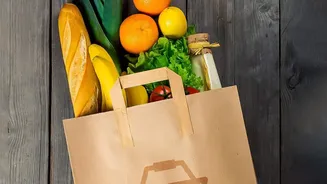
So what happens when you try to speed things up by putting your bananas in a paper bag? This trick works by trapping the ethylene gas the banana naturally produces, creating a feedback loop that accelerates ripening. Commercially, bananas are often shipped green and then exposed to ethylene gas in controlled ripening rooms to prepare them for sale. This forced ripening is very effective at converting starch to sugar. However, it can rush the more subtle aspects of flavour development. Studies have shown that naturally ripened bananas tend to have a higher concentration and a more complex profile of those aromatic ester compounds compared to bananas ripened artificially with ethylene. The result is a banana that is sweet, but potentially less fragrant and more one-dimensional in its taste.
Slow and Steady Wins the Taste Race
Essentially, while both taste and nutrition are altered during ripening, the development of a rich, complex flavour profile is a more delicate process than the straightforward conversion of starch to sugar. Speeding up the ripening process ensures the banana becomes sweet, but it doesn't give the intricate biochemical pathways enough time to produce the full spectrum of aromas that characterise a perfectly ripened fruit. The nutritional shift from resistant starch to simple sugar happens regardless of the ripening speed. So, while a fast-ripened banana is nutritionally similar to a slow-ripened one, you might be missing out on a superior taste experience.